Can I grow marigolds in an indoor grow tent?
As an indoor grow tent supplier, I often get asked whether it's possible to grow marigolds in an indoor grow tent. The answer is a resounding yes! Marigolds are a popular choice for indoor gardening due to their vibrant colors, pleasant fragrance, and relatively easy care requirements. In this blog post, I'll explore the feasibility of growing marigolds in an indoor grow tent, the benefits of doing so, and the steps you need to take to ensure a successful harvest.
Benefits of Growing Marigolds in an Indoor Grow Tent
There are several advantages to growing marigolds in an indoor grow tent. Firstly, it allows you to control the growing environment precisely. You can adjust the temperature, humidity, light, and ventilation to create the ideal conditions for marigold growth. This level of control is particularly beneficial in regions with unpredictable weather or extreme climates, where outdoor gardening may be challenging.
Secondly, an indoor grow tent provides protection from pests and diseases. By keeping your marigolds in a sealed environment, you can significantly reduce the risk of infestations and infections. This means you can avoid using harmful pesticides and chemicals, making your marigolds a healthier and more environmentally friendly option.
Thirdly, growing marigolds indoors allows you to extend the growing season. You can start your marigold seeds earlier in the year and continue harvesting well into the fall or winter. This gives you a longer period to enjoy the beauty and benefits of these lovely flowers.
Finally, an indoor grow tent is a convenient and space-efficient way to grow marigolds. You can set up a tent in a small room, basement, or even a closet, making it suitable for apartment dwellers or those with limited outdoor space.
Choosing the Right Indoor Grow Tent
When it comes to growing marigolds in an indoor grow tent, choosing the right tent is crucial. You'll need a tent that is large enough to accommodate your marigold plants and provides adequate space for growth. A good rule of thumb is to choose a tent that is at least 2 feet by 2 feet for a small number of plants, and larger if you plan to grow more.
The tent should also be made of high-quality materials that are durable and lightproof. Look for a tent with a thick canvas or polyester exterior and a reflective interior to maximize light distribution. Additionally, the tent should have proper ventilation and access ports for electrical cords and air hoses.
At our company, we offer a wide range of Customized Indoor Plant Tent to suit different needs and budgets. Our tents are designed with the latest technology and features to ensure optimal growing conditions for your marigolds.
Setting Up Your Indoor Grow Tent
Once you've chosen the right indoor grow tent, it's time to set it up. Start by finding a suitable location for the tent. It should be a well-ventilated area away from direct sunlight and heat sources. You may also want to place the tent on a level surface to prevent it from tipping over.
Next, assemble the tent according to the manufacturer's instructions. This typically involves attaching the poles, frame, and fabric panels. Make sure the tent is securely fastened and all the seams are sealed to prevent light leakage.
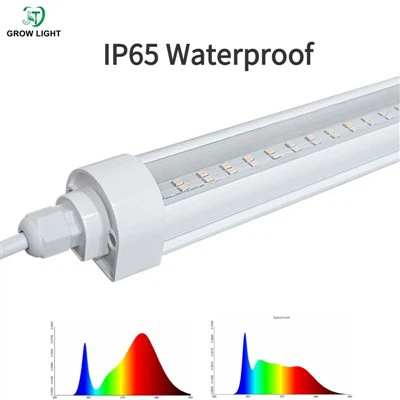
After the tent is assembled, you'll need to install the lighting system. Marigolds require at least 6-8 hours of direct sunlight per day, so you'll need to provide artificial light to supplement natural light. LED grow lights are a popular choice for indoor gardening as they are energy-efficient, long-lasting, and emit the right spectrum of light for plant growth.
You'll also need to set up a ventilation system to ensure proper air circulation inside the tent. This helps to prevent the buildup of heat, humidity, and carbon dioxide, which can all affect plant growth. A simple exhaust fan and intake vent can be sufficient for a small tent, while larger tents may require a more complex ventilation system.
Finally, you'll need to add a growing medium and nutrients to the tent. Marigolds prefer well-draining soil that is rich in organic matter. You can use a commercial potting mix or create your own by combining equal parts of peat moss, perlite, and vermiculite. You'll also need to add a slow-release fertilizer or liquid nutrients to the soil to provide the necessary nutrients for plant growth.
Planting and Caring for Marigolds in an Indoor Grow Tent
Now that your indoor grow tent is set up, it's time to plant your marigold seeds. Start by filling small pots or seed trays with the growing medium and moistening it with water. Then, sow the marigold seeds on the surface of the soil and cover them with a thin layer of soil.
Place the pots or seed trays in the grow tent and keep the soil moist but not waterlogged. You can use a spray bottle to mist the soil regularly or place a tray of water under the pots to provide humidity.
Once the marigold seeds have germinated, you'll need to thin out the seedlings to prevent overcrowding. Leave only the strongest seedlings in each pot or tray and transplant the others to larger pots or the main growing area in the tent.
As the marigold plants grow, you'll need to provide them with regular care and maintenance. This includes watering the plants when the soil feels dry to the touch, fertilizing them every 2-3 weeks, and pruning them to remove any dead or damaged leaves and flowers.
You'll also need to monitor the temperature and humidity inside the tent to ensure they are within the optimal range for marigold growth. The ideal temperature for marigolds is between 60-75°F (15-24°C), and the humidity should be around 40-60%.
Harvesting and Using Marigolds


Marigolds typically take 8-10 weeks to reach maturity, depending on the variety. You'll know the marigolds are ready to harvest when the flowers are fully open and the petals are bright and colorful.
To harvest the marigolds, simply cut the stems at the base of the flower using a sharp pair of scissors or pruning shears. You can then use the marigolds fresh in floral arrangements or dry them for later use.
Marigolds have a variety of uses, both culinary and medicinal. They can be used to add color and flavor to salads, soups, and stews, or to make herbal teas and tinctures. Marigolds are also known for their anti-inflammatory, antibacterial, and antifungal properties, and can be used to treat a variety of skin conditions, such as acne, eczema, and psoriasis.
Contact Us for Your Indoor Grow Tent Needs
If you're interested in growing marigolds in an indoor grow tent, we'd love to help. As a leading indoor grow tent supplier, we have the expertise and experience to provide you with the best products and advice for your indoor gardening needs.
Whether you're a beginner or an experienced gardener, we can help you choose the right indoor grow tent, set it up, and provide you with the necessary equipment and supplies to ensure a successful harvest. We also offer a range of customization options to meet your specific needs and preferences.
So, if you're ready to start growing marigolds in an indoor grow tent, contact us today to learn more about our products and services. We look forward to helping you achieve your indoor gardening goals.
References
- "Marigolds: A Guide to Growing and Caring for These Beautiful Flowers" by Gardening Know How
- "Indoor Gardening: The Complete Guide to Growing Plants Indoors" by Indoor Gardening Today
- "LED Grow Lights: The Ultimate Guide to Choosing the Right Lights for Your Indoor Garden" by LED Grow Lights Review