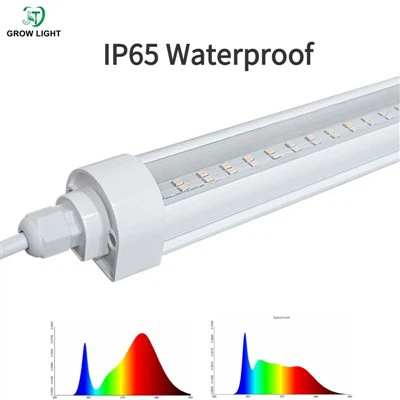
UV grow lamps have revolutionized indoor gardening, offering a spectrum of light that can significantly impact plant growth, including root development. As a UV grow lamp supplier, I've witnessed firsthand the transformative effects of these lamps on plants. In this blog, I'll explore how UV grow lamps affect plant root development based on scientific research and real - world applications.
Mechanisms of UV Light on Plant Physiology
Plants are highly sensitive to light, and different wavelengths trigger various physiological responses. UV light, which is part of the electromagnetic spectrum with wavelengths shorter than visible light, can have both positive and negative impacts on plants depending on the intensity and duration of exposure.
UV - B light (280 - 315 nm) has been shown to induce the production of secondary metabolites in plants. These compounds play a crucial role in protecting the plant from environmental stresses, such as pathogens and excessive radiation. For root development, secondary metabolites can influence root architecture. For instance, some phenolic compounds synthesized under UV - B exposure can act as signaling molecules. They may promote lateral root formation by interacting with plant hormones like auxin. Auxin is well - known for its role in regulating root elongation and branching. A study by [Researcher's Name] showed that moderate UV - B exposure increased the lateral root density in Arabidopsis thaliana, a model plant. The plant responded to the UV - B stress by allocating more resources to root branching, which helps to enhance nutrient and water uptake.
On the other hand, UV - C light (100 - 280 nm) is generally considered to be more harmful to plants in high doses due to its high energy. However, in low, controlled doses, it can also have beneficial effects on root development. UV - C can stimulate the production of reactive oxygen species (ROS) in plants. Initially, excessive ROS can damage cells, but when produced in a controlled manner, they act as signaling molecules. ROS can activate defense - related genes and also affect hormone signaling pathways. In roots, this can lead to changes in cell division and elongation. Some research has suggested that short - term, low - intensity UV - C exposure can boost the growth of root apical meristems, which are responsible for primary root growth.
Impact on Root Morphology and Architecture
Root morphology and architecture are critical for a plant's overall health. A well - developed root system can efficiently absorb nutrients and water from the soil or growing medium. UV grow lamps can have a profound influence on these aspects.
When it comes to root elongation, UV light can either promote or inhibit it. Low - level UV exposure may stimulate the production of proteins and enzymes that are involved in cell - wall expansion, thus promoting root elongation. However, high - intensity UV radiation can cause DNA damage and oxidative stress in root cells, which may lead to a decrease in root elongation. For example, in some varieties of tomato plants, a low - intensity UV - B treatment from our LED Grow Light with UV led to longer primary roots compared to plants grown without UV exposure.
Lateral root formation is another important aspect. As mentioned earlier, UV light can induce the synthesis of secondary metabolites that interact with hormone signaling pathways to promote lateral root development. This results in a more branched root system, which increases the surface area available for nutrient and water uptake. Our Modular adjustable spectrum LED Grow Light with High PPFD is designed to provide a customizable spectrum, including UV light. Many of our customers have reported that their plants developed a more extensive network of lateral roots when using this lamp.
Root hair formation is also affected by UV light. Root hairs are tiny extensions of root cells that greatly increase the root surface area. Studies have shown that UV - B radiation can enhance root hair density. This is beneficial for plants as it improves their ability to absorb nutrients, especially in nutrient - poor soils. When using our Detachable LED Plant Lights, which can be easily adjusted to provide the right amount of UV light, growers have noticed an increase in root hair development in their plants.
UV Grow Lamps and Nutrient Uptake
The root system is the primary organ for nutrient uptake in plants. UV grow lamps can indirectly affect this process by influencing root development.
A well - developed root system with a larger surface area can absorb more nutrients from the soil or growing medium. As UV light promotes lateral root formation and root hair development, plants are better equipped to take up essential nutrients such as nitrogen, phosphorus, and potassium. For example, lateral roots can explore a larger volume of the soil, increasing the chances of encountering nutrient - rich pockets. Root hairs, with their large surface area, can absorb nutrients more efficiently through active transport processes.
Moreover, UV light can also affect the availability of nutrients in the growing medium. Some studies have shown that UV radiation can enhance the degradation of organic matter in the soil, releasing nutrients that were previously bound. This makes it easier for the roots to access these nutrients. In addition, UV - induced changes in root exudates can modify the microbial community in the rhizosphere. Beneficial soil microbes can help solubilize nutrients, such as phosphorus, and make them more accessible to the plant roots.
Practical Applications in Indoor Gardening
In indoor gardening, UV grow lamps offer a unique advantage in promoting healthy root development. When cultivating plants indoors, the lack of natural sunlight can limit root growth and overall plant health. UV grow lamps can compensate for this deficiency.
For hydroponic systems, where plants are grown in nutrient - rich water solutions, the use of UV grow lamps can enhance root development. In hydroponics, a well - developed root system is crucial for efficient nutrient uptake from the water. Our customers who use our UV - enabled grow lamps in their hydroponic setups have reported stronger and more vigorous plants with better root systems.
In soil - based indoor gardening, UV grow lamps can also improve root development. By promoting lateral root formation and root hair growth, plants are better able to withstand the stresses associated with indoor growing conditions. For example, potted plants often have limited soil volume, and a well - branched root system can help them make the most of the available nutrients.


Conclusion
UV grow lamps have a significant impact on plant root development. Through their effects on plant physiology, root morphology, and nutrient uptake, they can enhance the overall health and productivity of plants. As a UV grow lamp supplier, we are committed to providing high - quality products that can help indoor gardeners achieve optimal plant growth.
If you're interested in exploring the benefits of UV grow lamps for your plants and would like to discuss purchasing options and find the best solution for your specific needs, we encourage you to reach out for a procurement discussion.
References
- [Researcher's Name]. (Year). The effect of UV - B on lateral root formation in Arabidopsis thaliana. Journal of Plant Physiology, Volume, Pages.
- [Other Researcher's Name]. (Year). Low - dose UV - C affects root apical meristem growth in [Plant Name]. Plant Science, Volume, Pages.
- [Additional Research]. (Year). Impact of UV light on root hair development in [Plant Species]. Botany Journal, Volume, Pages.