Vertical farming has emerged as a revolutionary approach to agriculture, allowing for year - round crop production in controlled environments. At the heart of a successful vertical farm are the lights that provide the necessary spectrum and intensity for plant growth. As a vertical farming light supplier, I understand the importance of maintaining these lights to ensure optimal plant health and farm productivity. In this blog, I'll share some key strategies for maintaining vertical farming lights.
Understanding the Basics of Vertical Farming Lights
Before delving into maintenance, it's essential to understand the types of lights commonly used in vertical farming. LED lights are the most popular choice due to their energy efficiency, long lifespan, and customizable spectrum. For instance, our T8 Integrated LED Grow Light is a great option for many vertical farms. It offers a balanced spectrum that can meet the needs of various plants at different growth stages.
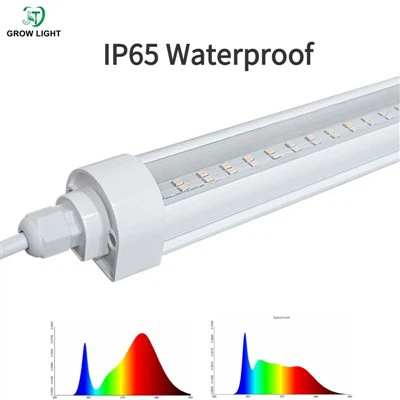
Apart from the basic T8 lights, we also have Professional T8 LED Tube Grow Light: High - PPFD & IP65 Waterproof For Vertical Farming Racks. This type of light is designed for more demanding vertical farming setups, with high photosynthetic photon flux density (PPFD) and waterproof capabilities, making it suitable for high - humidity environments.


Regular Cleaning
One of the simplest yet most crucial maintenance tasks is regular cleaning of the lights. In a vertical farming environment, dust, plant debris, and moisture can accumulate on the light fixtures over time. This buildup can reduce the light output and efficiency of the lights, ultimately affecting plant growth.
To clean the lights safely, first, turn off the power supply to avoid any electrical hazards. Use a soft, dry cloth to gently wipe the surface of the light fixtures, removing any visible dust or debris. For stubborn dirt, you can dampen the cloth slightly with a mild cleaning solution. Avoid using abrasive materials or harsh chemicals, as they can damage the light's surface and components.
If you're using Heavy - Duty IP65 Waterproof LED Grow Light Bars for High - Humidity Farms, the waterproof design makes them easier to clean. You can use a gentle stream of water to rinse off the fixtures, but make sure the power is off and the lights are completely dry before turning them back on.
Inspecting for Damage
Regular inspections are essential to catch any potential issues with the lights early on. Check the light fixtures for any signs of physical damage, such as cracks, dents, or loose parts. Damaged fixtures can not only affect the performance of the lights but also pose a safety risk.
Inspect the wiring connections as well. Loose or damaged wires can cause intermittent power supply or even electrical shorts. If you notice any frayed wires or loose connections, it's important to address them immediately. You may need to replace the damaged wires or tighten the connections. However, if you're not experienced with electrical work, it's best to consult a professional.
Monitoring Light Output and Spectrum
Over time, the light output and spectrum of vertical farming lights can change. This can happen due to factors such as aging of the LEDs, heat, and voltage fluctuations. Monitoring the light output is crucial to ensure that the plants are receiving the right amount and quality of light.
You can use a light meter to measure the PPFD and other light parameters at different locations in your vertical farm. Compare the measured values with the recommended levels for the specific plants you're growing. If the light output is significantly lower than expected, it may be a sign that the lights need to be replaced or adjusted.
In addition to light output, it's also important to monitor the spectrum. Different plants have different light spectrum requirements at different growth stages. Some advanced LED grow lights allow you to adjust the spectrum to meet these needs. Regularly check the spectrum settings and make adjustments as necessary to optimize plant growth.
Temperature and Humidity Management
Temperature and humidity can have a significant impact on the performance and lifespan of vertical farming lights. High temperatures can cause the LEDs to overheat, which can reduce their efficiency and lifespan. On the other hand, high humidity can lead to corrosion and electrical problems.
Make sure your vertical farm has proper ventilation and temperature control systems in place. The ideal temperature range for most LED grow lights is between 20 - 30°C (68 - 86°F). You can use fans or air conditioning units to maintain a stable temperature.
Humidity levels should also be kept in check. Aim for a relative humidity of around 50 - 70%. If the humidity is too high, you can use dehumidifiers to remove excess moisture from the air.
Replacing Components
Even with proper maintenance, some components of the vertical farming lights will eventually need to be replaced. LEDs have a finite lifespan, and over time, their light output will gradually decrease. When the light output drops below an acceptable level, it's time to replace the LEDs.
In addition to the LEDs, other components such as drivers and power supplies may also need to be replaced. If you notice any issues with the power supply, such as flickering lights or inconsistent light output, it could be a sign that the driver or power supply is faulty.
When replacing components, make sure to use high - quality replacement parts that are compatible with your light fixtures. Using substandard parts can lead to poor performance and may even damage the lights.
Training Your Staff
If you have a team working in your vertical farm, it's important to provide them with proper training on light maintenance. Make sure they understand the importance of regular cleaning, inspections, and monitoring. Train them on how to safely handle the lights and perform basic maintenance tasks.
You can also provide them with a maintenance schedule and checklist to ensure that all the necessary tasks are carried out regularly. By involving your staff in the maintenance process, you can ensure that the lights are well - cared for and that any issues are addressed promptly.
Conclusion
Maintaining vertical farming lights is a critical aspect of running a successful vertical farm. By following the strategies outlined in this blog, you can ensure that your lights operate at peak performance, providing the right amount and quality of light for your plants. Regular cleaning, inspections, monitoring, and component replacement are all essential steps in maintaining your vertical farming lights.
If you're in the market for high - quality vertical farming lights or need more information on light maintenance, we're here to help. Our team of experts can provide you with personalized advice and solutions based on your specific needs. Don't hesitate to reach out for a consultation and let's discuss how we can support your vertical farming operations.
References
- Smith, J. (2020). LED Lighting in Vertical Farming: Principles and Applications. Agricultural Lighting Journal.
- Johnson, A. (2019). Maintenance Best Practices for Vertical Farming Systems. Sustainable Agriculture Review.