



Most growers don't replace lights because the diodes failed. They replace them because something else broke first.
In commercial cannabis facilities, lighting failures rarely arrive as sudden disasters. They creep in quietly-one fan gets louder, another slows down, airflow becomes uneven, temperatures fluctuate, and suddenly a fixture that "still works" becomes a liability.
This is why cooling design matters far more than most growers expect. Fan cooling looks effective on day one. Passive cooling proves its value over years.
And foldable LED grow lights sit right at the center of this difference.

Fan Cooling Is a Moving Part in a No-Tolerance Environment
Commercial cannabis cultivation is unforgiving to moving parts. High humidity, fine plant debris, constant airflow, and long daily operating hours create an environment where mechanical components degrade faster than expected. Fans are no exception.
In theory, fans actively remove heat and protect components. In practice, they introduce a failure point that does not age gracefully.
The most common fan-related problems are predictable:
- Bearings wear out
- Dust accumulates on blades
- Moisture accelerates corrosion
- Noise increases before failure
- Airflow becomes inconsistent
None of these failures happens instantly. That is what makes them dangerous. Performance degrades slowly, often unnoticed, until heat stress appears somewhere else in the system.
Fan cooling persists because it looks effective in short-term testing. It delivers immediate thermal relief and allows compact designs. But over long operating cycles, its weaknesses become impossible to ignore.
As commercial cultivation matures, the industry is shifting toward designs that prioritize reliability over compactness. Foldable LED grow lights with passive cooling represent this shift clearly.
Why Fan Failure Hurts More Than It Seems
When a fan stops working, the light does not immediately shut down. It keeps running.
This is where the real risk lies. Heat builds up inside the fixture, not always enough to trigger protection circuits, but enough to shorten component life and destabilize output. Growers often discover fan failure only after:
- Unexpected temperature spikes
- Reduced light output consistency
- Increased HVAC load
- Premature driver degradation
In multi-tier environments, one failing fan can affect multiple layers before anyone realizes what happened. This is why experienced growers describe fan-cooled fixtures as "time-bombs." Not because they always fail-but because when they do, they fail quietly.


Passive Cooling Removes the Weakest Link
Passive cooling eliminates the problem by removing the component most likely to fail. Foldable LED grow lights rely on structural heat dissipation rather than forced airflow. Heat spreads across aluminum bars and radiates naturally into the surrounding air.
- No bearings to wear out.
- No motors to fail.
- No airflow paths to clog.
This does not mean passive cooling produces less heat. It means heat is managed without introducing mechanical risk. In commercial environments, simplicity is a feature.
Passive Cooling Works With HVAC - Not Against It
In commercial cannabis cultivation, lighting and HVAC are inseparable. Fan-cooled lights create localized air movement that often conflicts with room-level airflow design. Hot air is pushed unpredictably, forcing HVAC systems to compensate.
Passive cooling integrates naturally into HVAC planning. Heat rises gently and predictably. Airflow patterns remain consistent. Growers notice this indirectly:
- More stable room temperatures
- Fewer HVAC corrections
- Lower peak load stress
Over time, this stability translates into real energy savings and fewer environmental surprises.
Foldable Structure Is a Thermal Advantage, Not Just a Logistics Feature
Many people associate foldable LED grow lights with easier shipping and installation. That is only part of the story. The foldable, multi-bar structure creates a large surface area for heat dissipation. Instead of concentrating thermal load into a single housing, heat is distributed across multiple slim bars. This has three important effects:
- Lower surface temperature per bar
- More uniform heat release
- Better interaction with room airflow
Heat does not pile up above the canopy. It spreads evenly, reducing hotspots and microclimate instability. This is why foldable LED grow lights often feel "calmer" in operation, even at similar wattages.

Maintenance Reality: Fans Multiply Downtime
Maintenance costs are not just about parts. They are about interruption.
In multi-tier grow rooms, replacing a failed fan is rarely a simple task. Fixtures must be accessed. Tiers may need a partial shutdown. Labor cost escalates quickly.
Passive cooling eliminates this entire category of maintenance. There is nothing to replace. Nothing to clean. Nothing to listen for. For large facilities, this difference alone justifies the design choice.
A light that runs consistently for years without attention is more valuable than one with impressive specifications that requires regular intervention.
Passive cooling improves longevity not by extending diode life on paper, but by maintaining stable operating conditions throughout the lights. This is the kind of longevity commercial growers actually care about.
Passive Cooling Matters Even More on Vertical Grow Racks
Vertical grow racks magnify thermal problems. Airflow is constrained. Heat accumulates faster. Fan failures impact multiple layers.
In these environments, passive cooling is not just preferable-it is often essential.
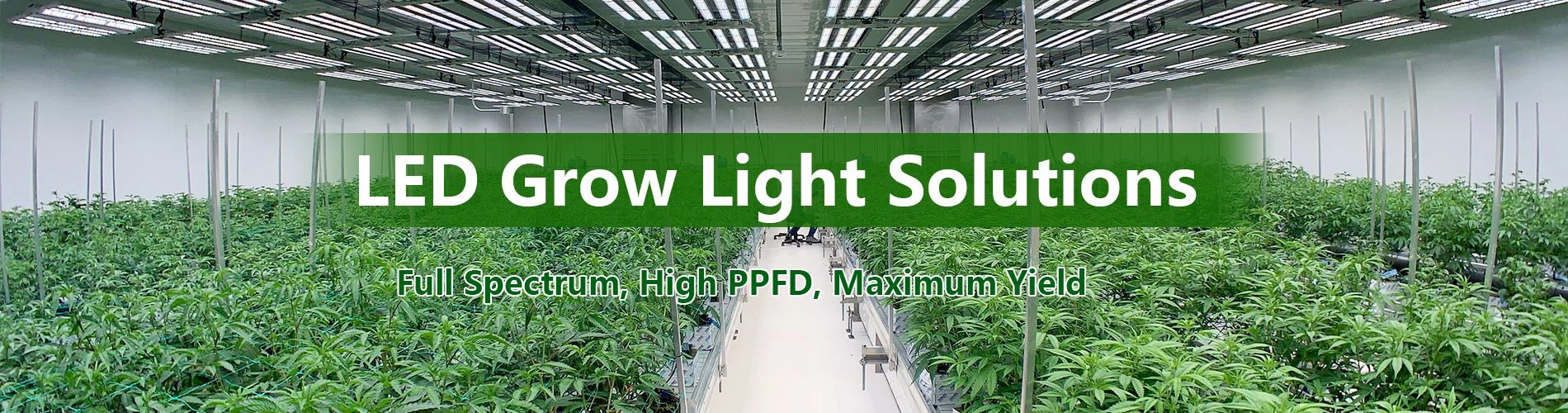
Foldable LED grow lights with passive cooling fit naturally into rack-based systems. Heat spreads along bars instead of pooling. HVAC systems respond more predictably. This compatibility is one reason why foldable designs dominate serious vertical cannabis projects.
At JTGL, commercial cannabis projects increasingly move toward integrated rack and lighting systems. Instead of selecting lights first and solving cooling problems later, fixtures are chosen based on how they behave inside real rooms-especially over time.
Passive cooling is a core requirement, not an optional feature. This approach reduces long-term maintenance, simplifies HVAC design, and increases system resilience.
The Practical Takeaway for Growers
If you have ever replaced a fan, cleaned clogged vents, or chased unexplained heat issues, you already understand this argument.
Cooling design determines whether lighting remains an asset or becomes a liability. In commercial cannabis cultivation, stability beats complexity every time.
This is why passively cooled foldable LED grow lights consistently last longer-not just in theory, but in daily operation, and this long-term stability is one of the reasons why foldable LED grow lights became the preferred industry standard in commercial cannabis cultivation.


