


As a supplier of full spectrum grow lights, I've received numerous inquiries about whether these lights can be used for succulents. This question is not only common among hobbyist gardeners but also interests commercial succulent growers. In this blog post, I'll delve into the science behind full spectrum grow lights and their suitability for succulents.
Understanding Succulents' Light Requirements
Succulents are a diverse group of plants known for their ability to store water in their leaves, stems, or roots. Native to arid and semi - arid regions, they have adapted to high - intensity sunlight. In their natural habitats, succulents receive direct sunlight for several hours a day, which is crucial for their growth, photosynthesis, and overall health.

Photosynthesis is the process by which plants convert light energy into chemical energy. For succulents, sufficient light is essential for producing the energy they need to grow, develop, and flower. When grown indoors, succulents often struggle to receive enough natural light, especially in regions with limited sunlight or during the winter months.
What Are Full Spectrum Grow Lights?
Full spectrum grow lights are designed to mimic the natural sunlight spectrum. They emit a wide range of wavelengths, including ultraviolet (UV), visible light, and infrared (IR). The visible light spectrum is further divided into different colors, each of which plays a unique role in plant growth.
- Blue Light: Promotes vegetative growth, including leaf development and overall plant structure. It is especially important for young succulents and during the early stages of growth.
- Red Light: Stimulates flowering and fruiting. It is also involved in regulating the plant's circadian rhythm and can enhance the overall growth rate.
- Green Light: Although often considered less important for photosynthesis, green light can penetrate deeper into the plant canopy and contribute to overall growth.
- UV and IR Light: UV light can help strengthen the plant's immune system and enhance coloration, while IR light can contribute to temperature regulation and plant metabolism.
Benefits of Using Full Spectrum Grow Lights for Succulents
- Year - Round Growth: One of the most significant advantages of using full spectrum grow lights is that they allow succulent growers to provide consistent light throughout the year. Whether it's a cloudy winter day or a short - daylight summer night, these lights can ensure that succulents receive the light they need to thrive.
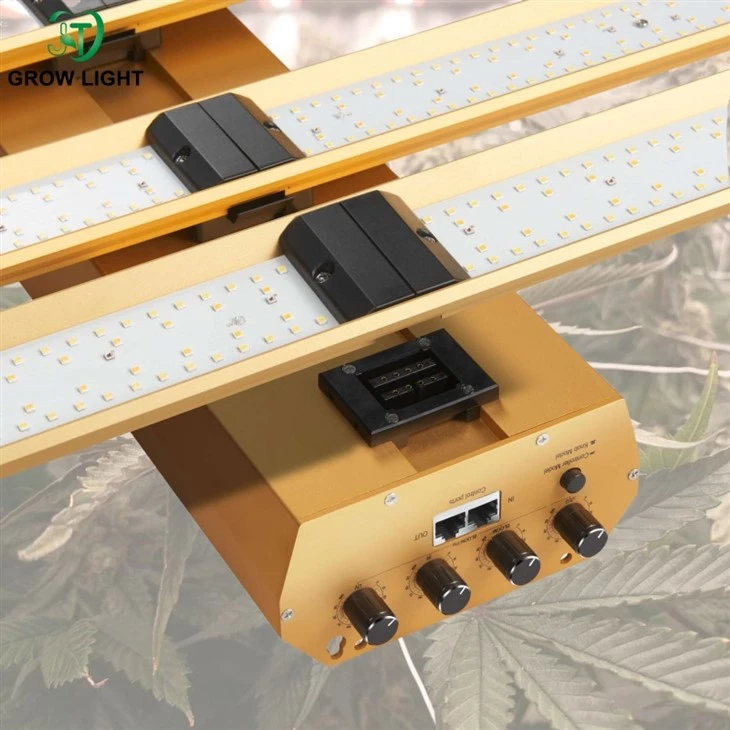
- Customizable Light Intensity and Spectrum: Many full spectrum grow lights, such as the 900 watt High PPFD Professional LED Grow Lights With Adjustable Full Spectrum, offer adjustable settings. This means that growers can tailor the light intensity and spectrum to the specific needs of their succulents at different growth stages. For example, during the vegetative stage, more blue light can be provided, while during the flowering stage, the proportion of red light can be increased.
- Enhanced Color and Health: Full spectrum grow lights, especially those with UV light, can enhance the coloration of succulents. The UV light can trigger the production of pigments such as anthocyanins, which give succulents their vibrant red, purple, and pink hues. Additionally, the full spectrum of light can contribute to the overall health and vigor of the plants, making them more resistant to pests and diseases.
Considerations When Using Full Spectrum Grow Lights for Succulents
- Light Intensity: While succulents need bright light, too much light can be harmful. High - intensity light can cause sunburn, especially if the plants are not gradually acclimated to the new light source. It's important to start with a lower light intensity and gradually increase it over time. For large - scale commercial growers, the 1100W LED Full Spectrum Commercial Grow Light provides a high - intensity light source that can be adjusted according to the needs of the plants.
- Light Duration: Succulents, like other plants, have a natural day - night cycle. It's recommended to provide 12 - 16 hours of light per day, followed by 8 - 12 hours of darkness. This mimics their natural environment and helps regulate their growth and metabolism.
- Distance from the Plants: The distance between the grow lights and the succulents is crucial. If the lights are too close, they can cause heat stress and damage the plants. If they are too far, the light intensity may be insufficient. As a general rule, keep the lights 6 - 12 inches away from the plants, but this may vary depending on the type of light and the specific needs of the succulents.
Different Types of Full Spectrum Grow Lights for Succulents
- LED Grow Lights: LED grow lights are becoming increasingly popular due to their energy efficiency, long lifespan, and ability to provide a customizable spectrum. They produce less heat than traditional grow lights, reducing the risk of heat damage to the succulents. For example, the 500w 4 channel Dimmable LED grow lights with UV and IR for weed offers a full spectrum of light with adjustable settings, making it suitable for different types of succulents.
- Fluorescent Grow Lights: Fluorescent lights are a more affordable option and are suitable for small - scale succulent growers. They are available in different spectra, including full spectrum options. However, they may not provide as high an intensity of light as LED grow lights and have a shorter lifespan.
- HID Grow Lights: High - intensity discharge (HID) lights, such as metal halide (MH) and high - pressure sodium (HPS) lights, are powerful and can provide a high intensity of light. However, they produce a lot of heat and are less energy - efficient compared to LED grow lights.
Case Studies: Success Stories of Using Full Spectrum Grow Lights for Succulents
Many succulent growers have reported positive results after using full spectrum grow lights. For example, a hobbyist gardener in a region with long, dark winters was able to grow a variety of succulents indoors using LED full spectrum grow lights. The succulents not only grew healthy and strong but also developed vibrant colors that were comparable to those grown outdoors in full sunlight.
A commercial succulent nursery also switched to full spectrum LED grow lights to supplement natural light during the winter months. They noticed an increase in the growth rate of their succulents, as well as a higher survival rate of newly propagated plants. The ability to adjust the light spectrum also allowed them to optimize the growth of different succulent species.
Conclusion
In conclusion, full spectrum grow lights can be an excellent solution for growing succulents, especially when natural light is limited. They offer a range of benefits, including year - round growth, customizable light settings, and enhanced plant health and coloration. However, it's important to consider factors such as light intensity, duration, and distance from the plants to ensure the best results.
If you're interested in using full spectrum grow lights for your succulents, I encourage you to explore our range of products. Whether you're a hobbyist gardener or a commercial grower, we have the right solution for you. Feel free to contact us to discuss your specific needs and start a procurement negotiation.
References
- Taiz, L., & Zeiger, E. (2010). Plant Physiology. Sinauer Associates.
- Salisbury, F. B., & Ross, C. W. (1992). Plant Physiology. Wadsworth Publishing Company.


