A indoor grow tent is an enclosed space that’s used to grow plants. They help create the optimal space for plants to grow in while giving you much more control over your garden then, say, growing outdoors. A good tent will be able to insulate conditions like heat and humidity, and offer plenty of reflection for total light coverage around your garden- both being vital to quality harvests.Most indoor grow tent feature a multi-sided fabric exterior over a rigid frame and include openings for adding and tending to plants, electrical access, ventilation, and more.
Advantages of Indoor Grow Tent
Maximize space
Finding adequate space to grow can be challenging, especially for those living in developed or urban areas. Grow tents allow you to set up shop virtually anywhere. Lots of folks think you need an entire extra room to create an indoor garden, but that's not so.
Conserve energy
Finding adequate space to grow can be challenging, especially for those living in developed or urban areas. Grow tents allow you to set up shop virtually anywhere. Lots of folks think you need an entire extra room to create an indoor garden, but that's not so.
Circulate clean air
Finding adequate space to grow can be challenging, especially for those living in developed or urban areas. Grow tents allow you to set up shop virtually anywhere. Lots of folks think you need an entire extra room to create an indoor garden, but that's not so.
Eliminate pests
Finding adequate space to grow can be challenging, especially for those living in developed or urban areas. Grow tents allow you to set up shop virtually anywhere. Lots of folks think you need an entire extra room to create an indoor garden, but that's not so.
Optimize lighting
Finding adequate space to grow can be challenging, especially for those living in developed or urban areas. Grow tents allow you to set up shop virtually anywhere. Lots of folks think you need an entire extra room to create an indoor garden, but that's not so.
Setup and operate with ease
Finding adequate space to grow can be challenging, especially for those living in developed or urban areas. Grow tents allow you to set up shop virtually anywhere. Lots of folks think you need an entire extra room to create an indoor garden, but that's not so.
-
![Customized Indoor Plant Tent]() Customized Indoor Plant Tent✅Accept OEM/ODM, customized size, color, material, etc.view more
Customized Indoor Plant Tent✅Accept OEM/ODM, customized size, color, material, etc.view more
✅Uses 95%-100% reflectivity Mylar
✅Thickened metal frame is more stable and durable
✅Double zipper design to prevent light leakage

Why Choose Us
Professional technology
We have 12+ years of experience in led grow light. We are committed to technological innovation and r&d and have accumulated rich professional knowledge and practical experience. It is this deep technical accumulation that enables us to provide efficient, stable and reliable led plant grow lights to meet the diverse needs of our customers.
High-quality products
Our led growing light not only excels in core performance such as light efficiency, light decay, and spectral distribution, but also in durability and reliability. We pay attention to every detail, from chip selection, power supply design to shell materials, and strive for perfection in every step to ensure that our products can operate stably for a long time and provide customers with continuous and reliable lighting support.
Multiple international certifications
Passed certifications from different countries, including etl, fcc, 3c, ce and energy-saving certifications. These certifications are not only a guarantee of our product quality and safety, but also a reflection of our competitiveness in the international market.
Our service
In the led plant light industry, high-quality after-sales service is a key factor in ensuring customer satisfaction and trust. We are committed to providing comprehensive and professional after-sales services, covering product warranty, technical support, repair services, product upgrades and spare parts supply, to ensure that customers have no worries during use.
How Do Indoor Grow Tent Work?
Outer fabric
Effective grow tents are constructed of heavy-duty canvas fabric that is bonded to a reflective inner layer. The thickness of the fabric is expressed in terms of density with a number such as "600d". The key to remember is that the higher the number, the stronger and denser the outer fabric is.
Inner liner
The interior lining of a grow tent is meant to reflect light. A grow tent's inner lining promotes better lighting for your plants and ensures even coverage.
Look for the most reflective inner lining possible. The more reflective the interior lining is, the more efficient the grow tent will be.
Durable frame
A grow tent's structure comes from the framework that supports the poles installed below the fabric. These poles give the tent its shape and deliver stability. A durable frame is also key for supporting a variety of necessary tools including grow lights.
Ports and vents
Indoor growers select growing tents in order to create a controlled and enclosed environment. Your grow tent needs access to the outside for ventilation, cooling, dehumidification, controlling, and more.
A good grow tent features vents and access ports that are placed in locations that allow you to connect necessary products for creating a completely controlled environment.
Plant size
How many plants are you looking to grow? Grow tents are designed to hold a recommended number of plants. Take an inventory of your growing needs and select a tent that best helps you to achieve your desired yield.
Build a Grow Tent Choosing the Right Materials
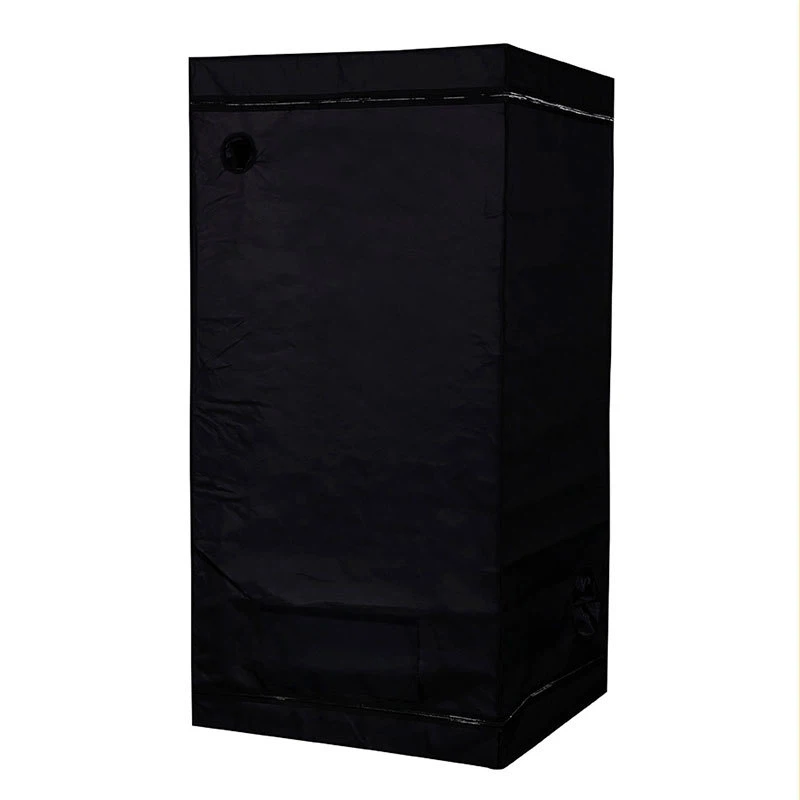
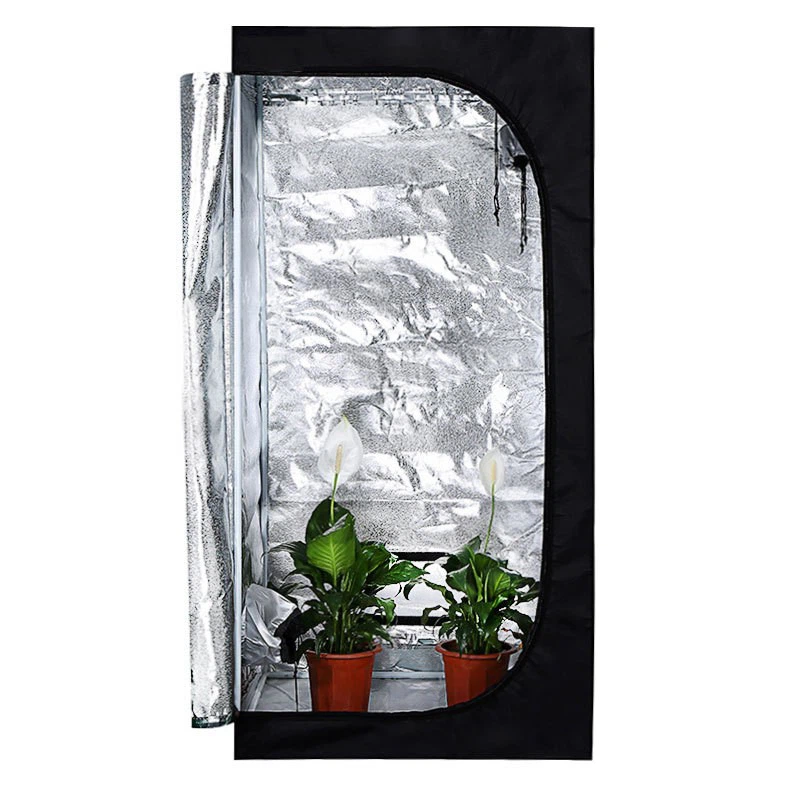
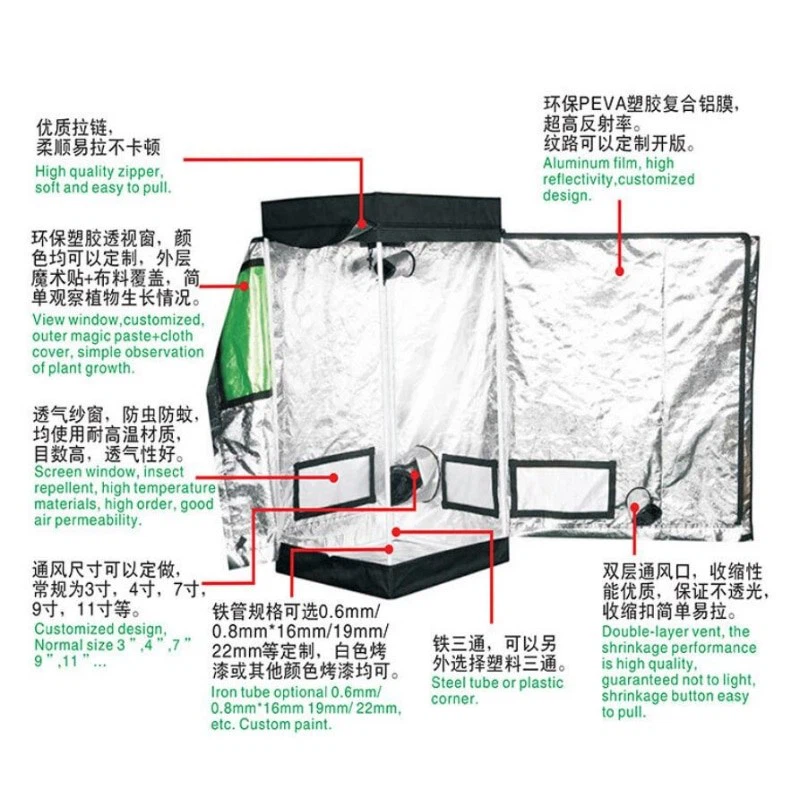
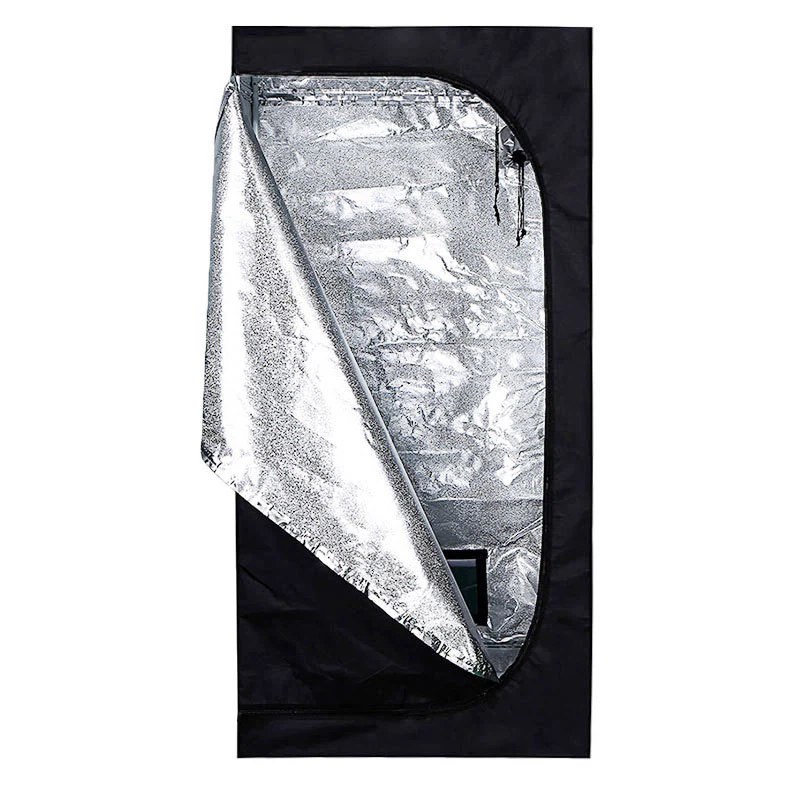
When it comes to building a grow tent, choosing the right materials is crucial to ensure success in your indoor gardening endeavor. There are a variety of materials that can be used, including pvc, wood, metal, panda film, mylar, canvas, plastic, aluminum foil, reflective material, and building materials. We’ll discuss each of these materials and their suitability for use in building a grow tent.
Pvc
Pvc is a popular material for building a grow tent due to its affordability and ease of use. Pvc pipes are lightweight and easy to cut, making them ideal for constructing a frame for your grow tent. However, pvc is not as sturdy as other materials, and the joints may become loose over time, which can compromise the structural integrity of your tent.
Wood
Wood is a more durable option for building a grow tent, and it provides better insulation than pvc. However, it is also more expensive and heavier, making it more difficult to work with. If you choose to use wood, make sure to use a moisture-resistant type, such as cedar or redwood, to prevent rot.
Metal
Metal is another durable option for building a grow tent, and it provides excellent insulation. However, it is also more expensive than pvc and wood, and it can be difficult to work with if you do not have the right tools. Metal can also rust over time, so make sure to choose a rust-resistant material, such as aluminum or stainless steel.
Panda film and mylar
Panda film and mylar are both popular choices for lining the interior of a grow tent. Panda film is a black and white poly film that is highly reflective and provides excellent light diffusion, while mylar is a reflective material that reflects up to 98% of light. Both materials are affordable and easy to install, but mylar is more durable and provides better light reflection.
Canvas and plastic
Canvas and plastic are both suitable materials for covering the frame of a grow tent. Canvas is more durable and provides better insulation, but it is also more expensive. Plastic is more affordable and easy to install, but it is not as durable and may tear over time.
Aluminum foil and reflective material
Aluminum foil and reflective material are both suitable for lining the interior of a grow tent to increase light reflection. However, aluminum foil can create hot spots and may be a fire hazard if it comes into contact with high-intensity lighting. Reflective material is a safer option and provides better light reflection.
Building materials
When building a grow tent, it’s important to choose materials that are safe for use in an indoor environment. Avoid using materials that contain harmful chemicals or toxins, such as pressure-treated wood or pvc that contains phthalates. Instead, choose materials that are certified safe for use in indoor environments, such as those labeled as “low voc” or “non-toxic.”
Overall, choosing the right materials for your grow tent is essential to ensure success in your indoor gardening endeavors. Consider your budget, the durability of the materials, and their suitability for use in an indoor environment when making your decision.
How to Choose Indoor Grow Tent
Size matters
The size of your grow tent is a critical consideration. It determines how many plants you can accommodate and the space required for equipment and movement within the tent. Assess the available space in your indoor setup and consider the types of plants you intend to grow. Ensure that the dimensions of the grow tent provide ample room for proper airflow, equipment installation, and easy access to tend to your plants.
Material quality
The quality of the materials used in constructing the grow tent significantly impacts its durability and functionality. Look for tents made from robust and tear-resistant fabrics such as thick canvas or oxford cloth. These materials should be lightproof to prevent light leakage, reflective on the interior for optimal light distribution, and waterproof to protect against any potential water damage.
Frame strength and stability
A sturdy frame is essential for supporting the weight of lights, fans, filters, and other equipment. The frame should be constructed from durable materials such as metal or heavy-duty plastic. It should withstand the demands of daily use and provide stability, preventing the tent from collapsing and potentially damaging your plants. A strong frame ensures a safe and secure environment for your plants to thrive.
Ventilation and airflow
Proper ventilation and airflow are crucial for maintaining a healthy growing environment. Look for grow tents equipped with multiple ventilation ports, including options for intake and exhaust. These ports allow for efficient air exchange, helping regulate temperature, humidity, and co2 levels within the tent. Additionally, ensure that the tent has access points for ducting to connect fans, filters, and other ventilation equipment, enabling effective odor control and preventing the growth of mold or mildew.
Light reflection and distribution
Efficient light distribution is paramount for maximizing plant growth. The interior walls of a high-quality grow tent should have a reflective lining to ensure maximum light coverage for your plants. Reflective materials like mylar or diamond-patterned aluminum effectively redirect light back onto the foliage, minimizing light wastage and promoting more even growth. Consider tents with highly reflective interiors to optimize the use of your lighting system.
Accessibility and organization
Consider the accessibility and organization features of the grow tent. Look for tents with large doors and multiple access points, as well as easy-to-use zippers that facilitate convenient entry and maintenance. Internal features such as hanging bars, shelves, or mesh pockets can help you keep your equipment and supplies organized, making the most of the available space within the tent. Well-designed grow tents allow for easy maneuverability and simplify the cultivation process.
Budget considerations
Establishing a budget is essential before embarking on your search for a grow tent. Prices can vary significantly based on size, material quality, and additional features. While it may be tempting to opt for the cheapest option, it is crucial not to compromise on quality and durability. Investing in a high-quality grow tent that will last for multiple growing seasons and provide a suitable environment for your plants is a wise decision in the long run.
Selecting the right grow tent is an important decision for any indoor gardener. By considering factors such as size, material quality, frame strength, ventilation, light reflection, accessibility, and budget, you can make an informed choice that aligns with your specific needs. A well-chosen grow tent will create the ideal environment for your plants to thrive, resulting in healthy growth, maximum yields, and, ultimately, a successful indoor gardening experience.
Some people think growing tents are a non-essential product for beginning an indoor garden. While it’s certainly possible to grow plants indoors without making use of one, grow tents provide several crucial benefits that shouldn’t be overlooked.
Use space wisely
An indoor grow tent can take up as much or as little space as you want. They are ideal for growing in areas you normally wouldn’t think of, such as a garage or closet.
Easy to set up, convenient for the move. Can put it where you want.
High efficacy
Grow tents let you control the growth environment easier. Control the light, water, temperature, and humidity, so that your plants can grow faster and stronger.
Set a grow room as you want, no matter the external factors.
Grow tents use a reflective material inside to maximize and intensify the light. Walls reflect and diffuse the light, exposing plants to a greater concentration of light when growing indoors. Fully utilizing your lighting saves energy and further reduces the costs of being an indoor grower.
Reduces pest infestations & reduces odors
The closed design of grow tents keeps pests such as whiteflies, aphids, and spider mites away. Pest control with a grow tent is nothing compared to the issues many gardeners run into when growing outdoors.
We all know that marijuana plants release a strong odor so roommates and/or next-door neighbors could dislike the strong odors originating from your indoor marijuana garden.
Grow tents can reduce the odor by trapping the odor inside of the tent and then filtering the air through their filtration system. Also discreet.
Guide to keep Your Grow Tent Undetectable and Smell-Proof
Choose the right grow tent
Your journey toward a discreet grow operation starts with selecting the right grow tent. Invest in a high-quality grow tent made from durable, light-proof materials. Look for thick canvas or vinyl tents with strong zippers that seal tightly. Avoid flimsy or cheap tents that may allow smells to escape. The best grow tents have multiple intake and exhaust ports where you can install carbon filters and fans.
Use carbon filters
Activated carbon filters are powerhouses when it comes to odor control. As air circulates through the filter, odor molecules stick to the porous carbon material. This allows clean, filtered air to exit the tent.
Optimize air circulation
Adequate air circulation is essential for maintaining an odor-free environment. Inline fans and exhaust systems help in removing and filtering air effectively. Place fans strategically to ensure optimal air movement and odor removal. The proper setup will prevent stagnant pockets of air where odors can accumulate.
Seal any leaks or gaps
Inspect your tent regularly for holes, gaps, or leaks around zippers. Use weather stripping, duct tape, or silicone sealant to seal up potential problem areas. Even the smallest openings can allow noticeable odors to escape.
Use odor neutralizers
As an added precaution, use odor-neutralizing gels, sprays, or ionizers inside the tent. Essential oils like lemon or peppermint can help mask cannabis smells without being overpowering.
Minimize plant odor
The strains you select will also impact the overall aroma profile. Some strains like northern lights or blueberry produce less pungent odors. Pruning techniques can also reduce the number of flower sites releasing terpenes. Proper plant maintenance and hygiene practices go a long way in minimizing smells.
Manage waste and residue
Don’t let old root balls, trimmings, or discarded leaves sit around releasing smells. Place plant waste in odor-proof bags or containers until you can discretely dispose of it outdoors.
Be mindful of surroundings
Even if your tent has minimal odors inside, smells can escape into the surrounding environment. Consider placing a tent in an enclosed room, attic, or basement area. Increase ventilation and run air purifiers if needed.
FAQ
Q: Are indoor grow tents worth it?
Q: Do indoor grow tents need to be vented outside?
Q: How big of a grow tent do I need for 4 plants?
Q: Do you need a humidifier for an indoor grow tent?
Q: Do I need co2 in my grow tent?
Q: Are grow tents smell proof?
Q: How many lights should I have in my grow tent?
Q: Should I put an air purifier in my grow tent?
Q: Can I use grow tent as dry room?
Q: Why is my grow tent wet inside?
We're well-known as one of the leading indoor grow tent manufacturers and suppliers in China. Please rest assured to buy cheap indoor grow tent for sale here from our factory. Contact us for customized service and discount information.
greenhouse grow tent, Indoor Plant Tent