


Can I connect multiple grow controllers together?
As a supplier of grow controllers, I often receive inquiries from customers about the possibility of connecting multiple grow controllers together. This is a valid question, especially for those who are looking to expand their indoor growing operations or manage different areas of their grow rooms more efficiently. In this blog post, I will delve into the topic of connecting multiple grow controllers, discussing the benefits, challenges, and the technical aspects involved.
Benefits of Connecting Multiple Grow Controllers
One of the primary advantages of connecting multiple grow controllers is the ability to scale up your growing system. As your business or personal growing needs expand, you may find that a single grow controller is no longer sufficient to manage all your equipment. By connecting multiple controllers, you can easily add more lights, fans, heaters, and other devices to your setup without having to replace your existing controller.
Another benefit is the ability to create zones within your grow room. Different plants may have different environmental requirements, such as temperature, humidity, and light intensity. By using multiple controllers, you can divide your grow room into separate zones and customize the settings for each zone to meet the specific needs of the plants growing there. This can lead to better plant health and higher yields.
Connecting multiple grow controllers also provides redundancy. In the event that one controller fails, the others can continue to operate, ensuring that your plants are not left without proper environmental control. This can give you peace of mind and protect your investment in your growing operation.
Challenges of Connecting Multiple Grow Controllers
While there are many benefits to connecting multiple grow controllers, there are also some challenges that you need to be aware of. One of the main challenges is compatibility. Not all grow controllers are designed to be connected together, so you need to make sure that the controllers you choose are compatible with each other. This may require some research and consultation with the manufacturer or a technical expert.
Another challenge is the complexity of the setup. Connecting multiple controllers can be more complicated than using a single controller, especially if you are not familiar with the technical aspects of the system. You may need to spend some time learning how to configure the controllers and how to troubleshoot any issues that may arise.
Finally, there is the issue of cost. Connecting multiple grow controllers can be more expensive than using a single controller, as you will need to purchase additional controllers and any necessary accessories. However, the benefits of increased scalability, zone control, and redundancy may outweigh the additional cost in the long run.
Technical Aspects of Connecting Multiple Grow Controllers
The technical aspects of connecting multiple grow controllers depend on the specific models of controllers you are using. In general, there are two main ways to connect grow controllers: through a network connection or through a master-slave configuration.
A network connection allows you to connect multiple controllers to a local area network (LAN) or the internet. This allows you to monitor and control all of your controllers from a single device, such as a computer or a smartphone. Some grow controllers come with built-in network connectivity, while others may require an additional network adapter.
A master-slave configuration involves connecting one controller as the master and the others as slaves. The master controller is responsible for coordinating the operation of the slaves and can be used to set the overall settings for the system. The slaves are then configured to follow the commands of the master. This type of configuration is often used when you need to control a large number of devices or when you want to create a hierarchical control system.
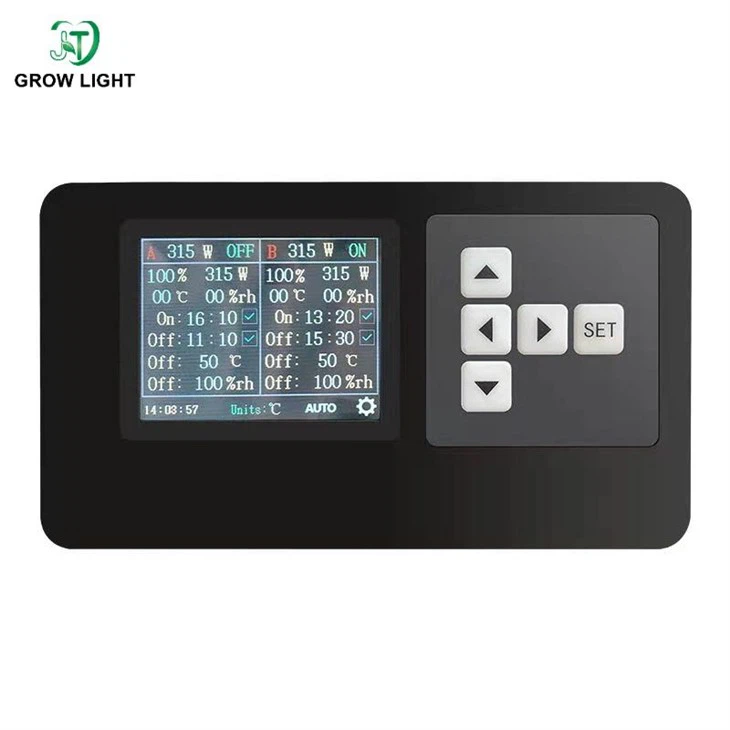
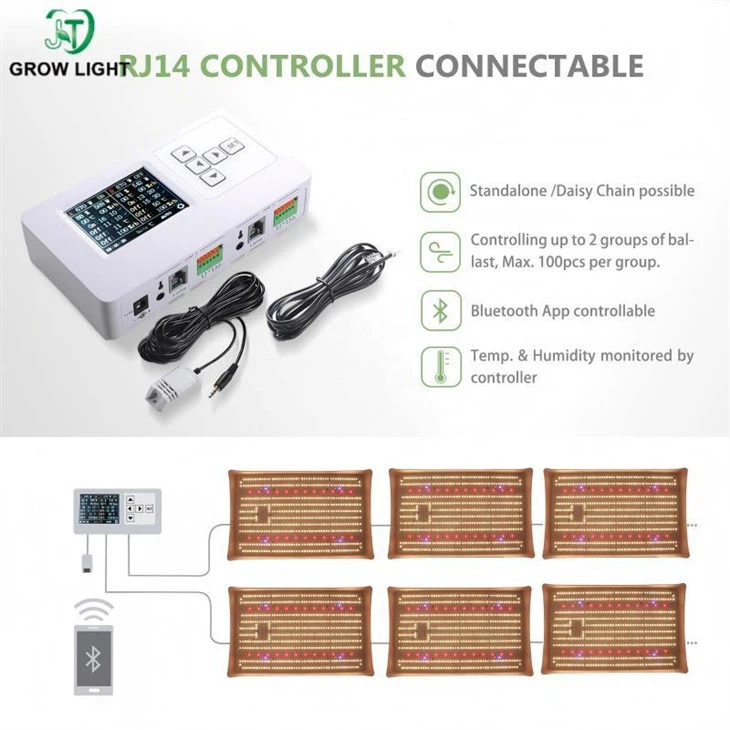
When connecting multiple grow controllers, it is important to follow the manufacturer's instructions carefully. This will ensure that the controllers are connected correctly and that they are operating safely and efficiently. You may also want to consult with a technical expert or a professional installer to help you with the setup.
Recommended Grow Controllers for Connecting Multiple Units
At our company, we offer a range of high-quality grow controllers that are designed to be easily connected together. Our Plant Growth Light Controller is a versatile controller that can be used to control a variety of grow room equipment, including lights, fans, and heaters. It features a user-friendly interface and can be easily integrated into a networked system.
Our Smart LED Grow Light Controller is specifically designed for controlling LED grow lights. It offers advanced features such as dimming, scheduling, and environmental monitoring, and can be connected to other controllers to create a comprehensive grow room control system.
For those who need to control the light intensity in their grow rooms, our Smart LED Grow Lights Dimmer For Grow Room is an excellent choice. It can be used to dim LED grow lights and can be connected to other controllers to provide centralized control.
Conclusion
In conclusion, connecting multiple grow controllers together is a viable option for those who are looking to expand their indoor growing operations or manage different areas of their grow rooms more efficiently. While there are some challenges associated with this approach, the benefits of increased scalability, zone control, and redundancy make it a worthwhile investment.
If you are interested in learning more about connecting multiple grow controllers or if you have any questions about our products, please do not hesitate to contact us. Our team of experts is available to provide you with the information and support you need to make the right decision for your growing operation. We look forward to working with you to help you achieve your growing goals.
References
- Manufacturer's documentation for the grow controllers
- Technical articles and whitepapers on grow room control systems
- Industry standards and best practices for indoor growing


