


Determining whether your LED grow lights are too hot for weed plants is crucial for successful cultivation. As a supplier of LED grow lights for weed, I understand the importance of maintaining the right temperature environment for optimal plant growth. In this blog post, I'll share some key insights and methods to help you figure out if your LED grow lights are causing overheating issues.
Understanding the Ideal Temperature Range for Weed Plants
Weed plants have specific temperature requirements at different growth stages. During the vegetative stage, the ideal temperature range is typically between 70 - 85°F (21 - 29°C). In the flowering stage, slightly cooler temperatures around 65 - 80°F (18 - 27°C) are preferred. When the temperature exceeds these ranges, it can lead to various problems for the plants.
Excessive heat can cause the plants to transpire more rapidly, leading to dehydration. It can also affect the plant's metabolic processes, slowing down growth and potentially reducing the quality and yield of the harvest. Additionally, high temperatures can create a favorable environment for pests and diseases, further compromising the health of the plants.
Signs That Your LED Grow Lights Are Too Hot
1. Wilting and Drooping Leaves
One of the most obvious signs that your plants are being exposed to excessive heat is wilting and drooping leaves. When the temperature is too high, the plant loses water faster than it can absorb it through the roots. As a result, the leaves start to lose their turgidity and droop. If you notice your weed plants' leaves looking limp and wilted, especially during the light - on period, it could be a sign that the LED grow lights are generating too much heat.
2. Burnt or Yellowing Leaves
Another common symptom of overheating is the appearance of burnt or yellowing leaves. The intense heat from the grow lights can damage the plant cells, causing the leaves to turn brown at the edges or tips. This is often referred to as "leaf burn." In some cases, the entire leaf may turn yellow and eventually fall off. These visual cues indicate that the plants are under stress due to excessive heat exposure.
3. Slowed Growth
If your weed plants seem to be growing at a much slower pace than expected, it could be due to high temperatures. The heat can disrupt the normal physiological processes of the plant, such as photosynthesis and nutrient uptake. As a result, the plants may not be able to produce enough energy and nutrients to support healthy growth. If you notice that your plants are not reaching the expected height or developing new leaves as quickly as they should, it's worth checking the temperature around the grow lights.
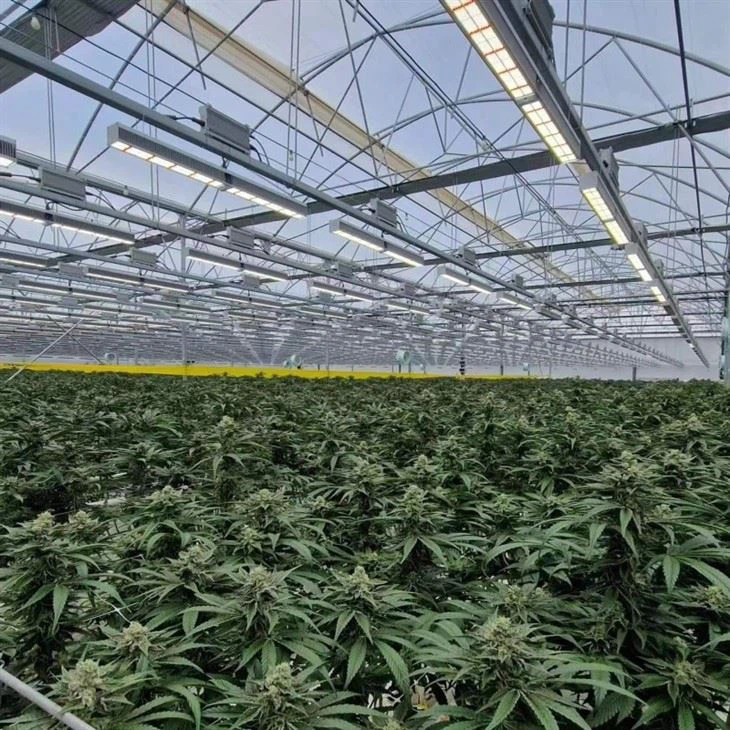

4. Increased Pests and Diseases
High temperatures can create a more hospitable environment for pests and diseases. Insects such as spider mites and thrips thrive in warm, dry conditions, and fungal diseases can spread more easily when the plants are stressed. If you start to notice an increase in pest activity or the appearance of fungal infections on your weed plants, it could be related to the excessive heat generated by the LED grow lights.
Measuring the Temperature
1. Using a Thermometer
The most straightforward way to measure the temperature around your LED grow lights is to use a thermometer. You can place a digital thermometer near the plants, at the same height as the canopy, to get an accurate reading of the temperature. It's important to take multiple readings at different times of the day, especially during the light - on and light - off periods, to get a comprehensive understanding of the temperature fluctuations.
2. Infrared Thermometers
Infrared thermometers are another useful tool for measuring the surface temperature of the plants and the surrounding environment. They can quickly provide a temperature reading without having to touch the object. You can use an infrared thermometer to measure the temperature of the leaves, the grow light itself, and the reflective surfaces in the grow area. This can help you identify any hot spots that may be causing problems for the plants.
Factors Affecting the Heat Output of LED Grow Lights
1. Power and Wattage
The power and wattage of the LED grow lights play a significant role in the amount of heat they produce. Generally, higher - wattage lights generate more heat. When choosing LED grow lights for your weed plants, it's important to consider the size of your grow area and the power requirements of the plants. For smaller grow spaces, lower - wattage lights may be sufficient, while larger commercial operations may require higher - wattage lights.
2. Cooling System
The cooling system of the LED grow lights is also an important factor. Some LED grow lights come with built - in cooling fans or heat sinks to dissipate the heat. A well - designed cooling system can help keep the temperature of the lights and the surrounding environment under control. If your LED grow lights do not have an adequate cooling system, it may be more likely to cause overheating issues.
3. Distance from the Plants
The distance between the LED grow lights and the weed plants can affect the temperature experienced by the plants. If the lights are too close to the plants, the heat intensity will be higher, increasing the risk of overheating. On the other hand, if the lights are too far away, the plants may not receive enough light for optimal growth. It's important to find the right balance and adjust the height of the lights according to the growth stage of the plants and the heat output of the lights.
Solutions if Your LED Grow Lights Are Too Hot
1. Adjust the Height of the Lights
If you find that the LED grow lights are too hot, one of the simplest solutions is to increase the distance between the lights and the plants. This will reduce the heat intensity reaching the plants. As a general rule, during the vegetative stage, the lights can be placed closer to the plants, around 12 - 18 inches (30 - 46 cm) away. In the flowering stage, the lights should be moved slightly further away, around 18 - 24 inches (46 - 61 cm).
2. Improve Ventilation
Improving the ventilation in your grow area can help remove the excess heat. You can install exhaust fans or intake fans to create a continuous flow of air. This will help lower the temperature and reduce humidity levels, which can also contribute to a healthier growing environment. Make sure the ventilation system is properly sized for your grow space to ensure effective heat removal.
3. Use Dimmable Lights
If your LED grow lights are dimmable, you can reduce the power output to lower the heat generation. This allows you to adjust the light intensity and temperature according to the needs of the plants at different growth stages. For example, during the early vegetative stage, you may not need the lights at full power, and reducing the intensity can help prevent overheating. Check out our Commercial Full Spectrum Dimmable LED Grow Light Bar For Greenhouse Cultivation for a great option.
4. Upgrade to a More Efficient Cooling System
If your current LED grow lights have a poor cooling system, you may consider upgrading to lights with a more efficient design. Some lights come with advanced cooling technologies, such as liquid cooling or high - performance heat sinks, which can significantly reduce the heat output. Our Commercial Full Spectrum LED Grow Lights For Greenhouse Supplemental Lighting are designed with efficient cooling systems to ensure a stable temperature environment for your plants.
Choosing the Right LED Grow Lights
When selecting LED grow lights for your weed plants, it's important to choose lights that are specifically designed to provide the right spectrum of light and maintain a suitable temperature. Look for lights that have a high energy efficiency rating, which means they produce more light with less heat. Our Greenhouse Top Grow Light is a great option for commercial greenhouse cultivation, offering a full spectrum of light and reliable heat management.
In conclusion, determining if your LED grow lights are too hot for weed plants is essential for maintaining a healthy and productive grow. By monitoring the temperature, looking for signs of overheating, and taking appropriate measures, you can ensure that your plants thrive under the right conditions. If you have any questions or are interested in purchasing high - quality LED grow lights for your weed cultivation, please feel free to reach out and start a conversation about your procurement needs. We are here to help you find the best solutions for your grow.
References
- "Cannabis Cultivation Basics" by Jorge Cervantes
- "LED Lighting for Horticulture" by various industry experts
- Research papers on plant physiology and temperature effects on cannabis growth published in scientific journals such as the "Journal of Plant Physiology" and "Crop Science"


