

As a supplier of LED grow lights, I've witnessed firsthand the remarkable advancements and widespread adoption of this technology in the indoor gardening and commercial cultivation sectors. LED grow lights have revolutionized the way we grow plants indoors, offering numerous benefits such as energy efficiency, long lifespan, and customizable light spectra. However, like any technology, LED grow lights are not without their drawbacks. In this blog post, I'll delve into the disadvantages of LED grow lights, providing a balanced perspective to help you make informed decisions for your cultivation needs.
High Initial Cost
One of the most significant disadvantages of LED grow lights is their relatively high initial cost compared to traditional lighting systems such as fluorescent or high-pressure sodium (HPS) lights. LED grow lights incorporate advanced semiconductor technology and high-quality components, which contribute to their elevated price point. For small-scale growers or hobbyists on a tight budget, the upfront investment in LED grow lights can be a deterrent.
However, it's important to note that while the initial purchase price of LED grow lights is higher, they offer long-term cost savings due to their energy efficiency and extended lifespan. LED grow lights consume significantly less electricity than traditional lighting systems, resulting in lower energy bills over time. Additionally, LED grow lights have a longer lifespan, typically lasting up to 50,000 hours or more, compared to 10,000 - 20,000 hours for HPS lights. This means fewer replacements and reduced maintenance costs in the long run.
Limited Light Penetration
Another drawback of LED grow lights is their limited light penetration compared to HPS lights. LED grow lights emit light in a more directional manner, which can result in uneven light distribution and reduced light intensity at the lower levels of the plant canopy. This can be particularly problematic for tall plants or dense canopies, where the lower leaves may not receive sufficient light for optimal growth.
To mitigate this issue, growers can use multiple LED grow lights or position the lights closer to the plants to increase light intensity. Additionally, some LED grow lights are designed with a wider beam angle or diffuser to improve light dispersion and reduce hotspots. However, these solutions may require additional equipment or adjustments, which can add to the overall cost and complexity of the lighting system.
Color Rendering Index (CRI) Limitations
The Color Rendering Index (CRI) is a measure of how accurately a light source reproduces the colors of objects compared to natural sunlight. A high CRI indicates that the light source provides a more natural and accurate representation of colors, which is important for visual inspection of plants and for creating a more pleasant growing environment.
Some LED grow lights have a lower CRI compared to traditional lighting systems, which can make it difficult to assess the health and growth of plants visually. For example, plants may appear to have a different color or texture under LED grow lights than they would under natural sunlight or other lighting sources. This can make it challenging for growers to identify nutrient deficiencies, pests, or diseases in a timely manner.
However, advancements in LED technology have led to the development of LED grow lights with higher CRI values. When choosing LED grow lights, it's important to select models with a CRI of at least 80 or higher to ensure accurate color rendering and optimal plant growth.
Heat Generation
Although LED grow lights are generally more energy-efficient and produce less heat than traditional lighting systems, they still generate some heat during operation. Excessive heat can have a negative impact on plant growth and development, as it can cause stress, wilting, and even damage to the plants.
To prevent overheating, growers need to ensure proper ventilation and cooling in the growing area. This may involve installing fans, air conditioning units, or other cooling systems to maintain a suitable temperature and humidity level. Additionally, some LED grow lights are designed with heat sinks or other cooling mechanisms to dissipate heat more effectively. However, these features can add to the cost and complexity of the lighting system.
Complexity of Spectrum Selection
One of the key advantages of LED grow lights is their ability to provide a customizable light spectrum tailored to the specific needs of different plant species and growth stages. However, this flexibility can also be a disadvantage, as it requires growers to have a good understanding of plant physiology and the effects of different light spectra on plant growth.
Selecting the wrong light spectrum can have a negative impact on plant growth and development, resulting in reduced yields, poor quality, or even plant death. For example, using a light spectrum that is too high in blue light during the flowering stage can inhibit flower formation and reduce yields. On the other hand, using a light spectrum that is too high in red light during the vegetative stage can lead to leggy growth and weak stems.
To overcome this challenge, growers can consult with experts or refer to scientific research to determine the optimal light spectrum for their plants. Additionally, some LED grow lights are designed with pre-programmed settings or adjustable spectrums, which can simplify the process of spectrum selection and make it more accessible to growers of all skill levels.
Product Quality and Performance Variations
The LED grow light market is highly competitive, with a wide range of products available from different manufacturers and suppliers. As a result, there can be significant variations in product quality and performance, which can make it difficult for growers to choose the right LED grow lights for their needs.
Some low-quality LED grow lights may not deliver the promised light intensity or spectrum, which can result in poor plant growth and reduced yields. Additionally, these lights may be less reliable and have a shorter lifespan, which can lead to additional costs and inconvenience for growers.
To ensure product quality and performance, it's important to choose LED grow lights from reputable manufacturers and suppliers. Look for products that have been independently tested and certified, and read customer reviews and testimonials to get an idea of the product's performance and reliability. Additionally, consider working with a supplier that offers a warranty and technical support to ensure that you get the most out of your investment.
Examples of Our LED Grow Lights
At our company, we offer a wide range of high-quality LED grow lights that are designed to meet the needs of different growers and cultivation environments. Here are some examples of our products:
- 900 watt High PPFD Professional LED Grow Lights With Adjustable Full Spectrum: This powerful LED grow light delivers a high photosynthetic photon flux density (PPFD) and features an adjustable full spectrum that can be customized to meet the specific needs of different plant species and growth stages.
- 200W Full Spectrum Light Panel: Ideal for small-scale growers or hobbyists, this compact and energy-efficient LED grow light provides a uniform light distribution and a full spectrum of light that is suitable for all stages of plant growth.
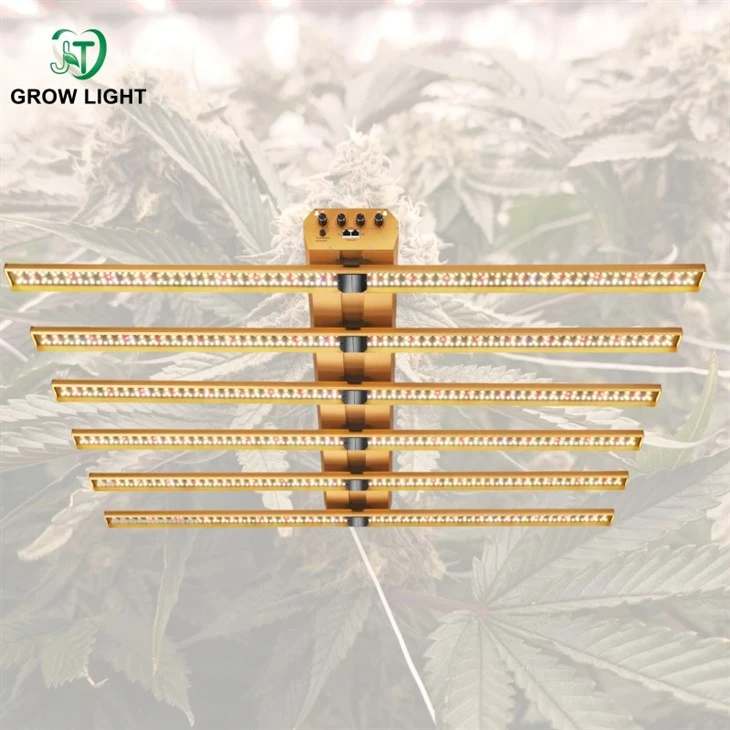
- 1100W Wide Bar LED Grow Light For Indoor Plants: Designed for commercial growers, this high-powered LED grow light offers a wide coverage area and a high light intensity, making it suitable for large-scale cultivation.
- Adjustable Spectrum Greenhouse Grow Lights: These LED grow lights are specifically designed for use in greenhouses and feature an adjustable spectrum that can be optimized for different seasons and growing conditions.
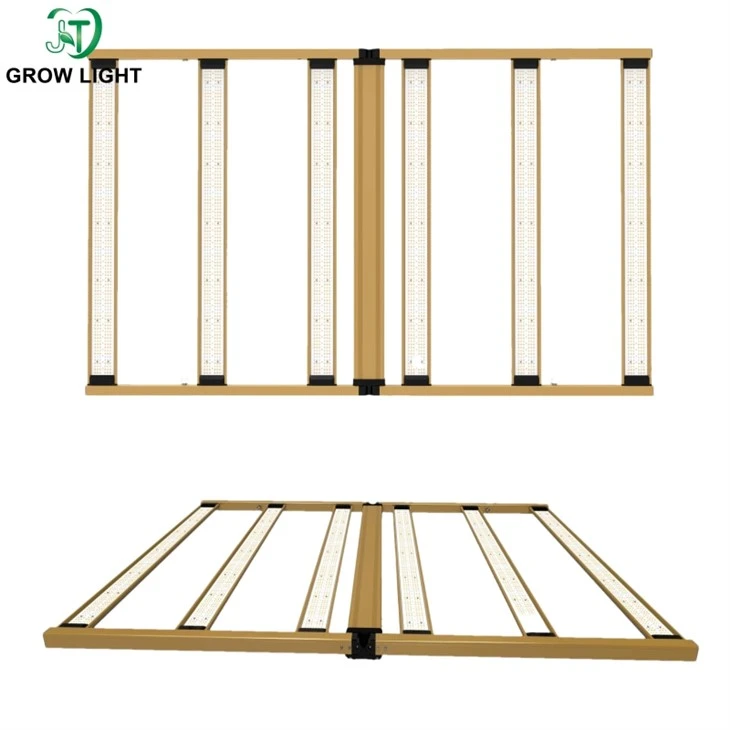
- Folding LED 1000W Grow Lights: This innovative LED grow light is designed with a folding design, making it easy to install and adjust. It offers a high light intensity and a full spectrum of light that is suitable for all stages of plant growth.
Conclusion
While LED grow lights offer numerous advantages for indoor gardening and commercial cultivation, they also have some disadvantages that growers need to be aware of. These include high initial cost, limited light penetration, CRI limitations, heat generation, complexity of spectrum selection, and product quality and performance variations.
However, by understanding these disadvantages and taking steps to mitigate them, growers can still benefit from the use of LED grow lights. At our company, we are committed to providing high-quality LED grow lights that are designed to meet the needs of different growers and cultivation environments. If you are interested in learning more about our products or have any questions about LED grow lights, please don't hesitate to contact us. We look forward to working with you to help you achieve your cultivation goals.
References
- Cope, J. C., & Bugbee, B. (2013). Photon flux and spectrum effects on growth and development of plants. In Horticulture Reviews (Vol. 40, pp. 1-48). John Wiley & Sons, Inc.
- Trouwborst, G., Maljaars, H. J., van Ieperen, W., & Harbinson, J. (2016). LED lighting in greenhouse horticulture. Scientia Horticulturae, 200, 144-158.
- Shoji, K., Ohashi-Kaneko, K., Watanabe, M., & Hashimoto, T. (2019). Optimal light spectra for plant growth: A review. Horticulture, Environment, and Biotechnology, 60(1), 25-39.


