


When it comes to cultivating plants, especially in indoor or low - light environments, growth lamps play a crucial role. As a growth lamp supplier, I've had numerous conversations with customers about the costs associated with these essential tools. In this blog post, I'll break down the various maintenance costs related to growth lamps to help you make a more informed decision when it comes to your plant - growing setup.
1. Initial Purchase Cost
The first and most obvious cost is the initial purchase of the growth lamp. Different types of growth lamps come with different price tags. For instance, a 100W Quantum Board Grow Light is generally more affordable compared to a high - end 1100W Wide Bar LED Grow Light For Indoor Plants. The price difference is mainly due to factors such as power output, light spectrum, and build quality.
Quantum board grow lights are known for their energy - efficiency and relatively simple design, making them a popular choice for small - scale growers. On the other hand, high - wattage wide bar LED grow lights are designed for commercial growers who need to cover large areas and provide intense light for a large number of plants. The initial investment in a growth lamp can range from a few dozen dollars for a small, basic model to several thousand dollars for a high - end, commercial - grade unit.
2. Energy Consumption
Energy consumption is a significant ongoing cost associated with growth lamps. The power consumption of a growth lamp is measured in watts (W). The higher the wattage of the lamp, the more electricity it will use. To calculate the energy cost, you need to know the wattage of the lamp, the number of hours it is used per day, and the cost of electricity per kilowatt - hour (kWh) in your area.
For example, let's say you have a LED 720W Grow Light that you run for 12 hours a day. If the cost of electricity in your area is $0.15 per kWh, the daily energy cost can be calculated as follows:
[Energy (kWh)= \frac{720W\times12h}{1000}=8.64 kWh]
[Daily Cost = 8.64 kWh\times$0.15/kWh=$1.296]
Over the course of a month (30 days), the energy cost for this lamp would be approximately ($38.88). As you can see, the energy cost can add up quickly, especially if you are using multiple high - wattage lamps.
To reduce energy consumption and costs, it's important to choose energy - efficient growth lamps. LED grow lights are generally more energy - efficient than traditional HID (High - Intensity Discharge) lamps. They convert a higher percentage of electrical energy into light energy, resulting in lower power consumption and reduced energy bills.
3. Bulb or Diode Replacement
Over time, the bulbs or diodes in a growth lamp will degrade and need to be replaced. The lifespan of a growth lamp depends on the type of lamp and the quality of its components.
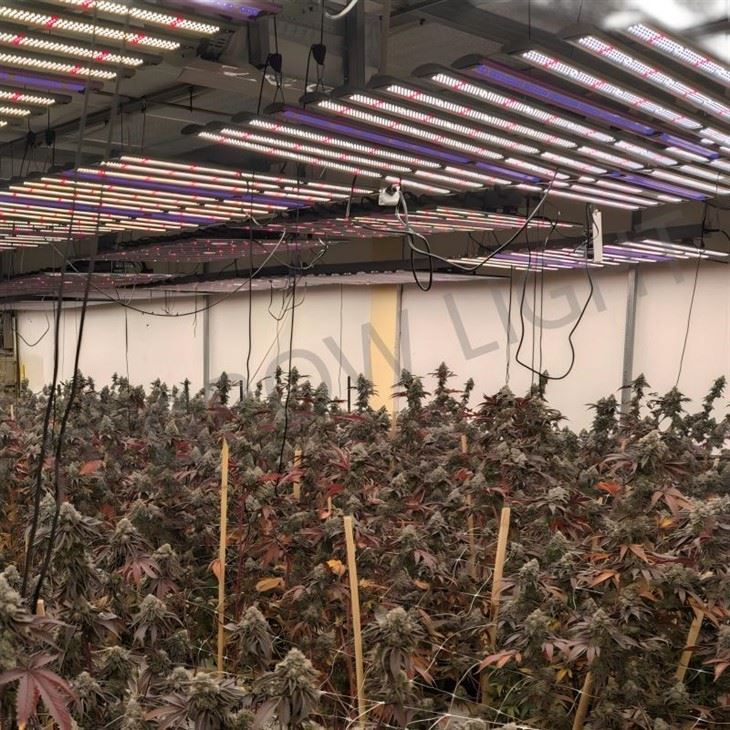

Traditional fluorescent grow lights, such as T8 Waterproof Grow Light Bar, typically have a lifespan of around 10,000 - 20,000 hours. Once the bulbs reach the end of their lifespan, they will need to be replaced. The cost of replacing fluorescent bulbs is relatively low, usually ranging from a few dollars to around ten dollars per bulb.
On the other hand, LED grow lights have a much longer lifespan, often ranging from 50,000 - 100,000 hours. However, if an individual LED diode fails in an LED grow light, it can still affect the overall performance of the lamp. In some cases, you may be able to replace individual diodes, but in other cases, it may be more cost - effective to replace the entire lamp panel. The cost of replacing an LED panel can be higher, depending on the size and complexity of the lamp.
4. Maintenance and Cleaning
Regular maintenance and cleaning are essential to ensure the optimal performance of your growth lamp. Dust and debris can accumulate on the surface of the lamp, reducing its light output. Cleaning the lamp regularly can help maintain its efficiency.
For most growth lamps, a simple cleaning with a soft, dry cloth is sufficient. However, for some lamps, especially those used in humid environments, such as UV LED Grow Lamp For Plant, you may need to use a mild cleaning solution to remove stubborn dirt and grime.
In addition to cleaning, you also need to check the lamp regularly for any signs of damage, such as loose connections or broken components. Repairing or replacing damaged parts can add to the maintenance cost, but it's necessary to ensure the safety and longevity of the lamp.
5. Cooling System Maintenance
Many high - wattage growth lamps, especially HID lamps and some high - end LED lamps, require a cooling system to prevent overheating. The cooling system can be in the form of fans, heat sinks, or water - cooling systems.
The fans in the cooling system need to be cleaned regularly to remove dust and debris, which can clog the fan blades and reduce their efficiency. If a fan fails, it needs to be replaced promptly to prevent the lamp from overheating. The cost of replacing a fan can vary depending on the size and type of the fan, but it is generally a relatively minor cost.
For water - cooling systems, you need to check the water level and the water quality regularly. The water may need to be changed periodically to prevent the growth of algae and bacteria. The components of the water - cooling system, such as pumps and hoses, also need to be inspected for any signs of leakage or damage. Repairing or replacing water - cooling system components can be more expensive than replacing fans.
Conclusion
In conclusion, the maintenance costs associated with growth lamps include the initial purchase cost, energy consumption, bulb or diode replacement, maintenance and cleaning, and cooling system maintenance. By understanding these costs, you can better plan your budget for your plant - growing setup.
As a growth lamp supplier, I'm committed to providing high - quality, energy - efficient growth lamps that can help you reduce your overall maintenance costs. If you have any questions about our products or need help in choosing the right growth lamp for your needs, please feel free to contact us for a purchase negotiation. We'll be happy to assist you in finding the best solution for your plant - growing requirements.
References
- "LED Grow Lights: Technology and Applications" by a well - known horticultural lighting research institute.
- "Energy - Efficient Lighting for Indoor Plant Cultivation" by a leading energy research organization.
- Product manuals of various growth lamps provided by manufacturers.


