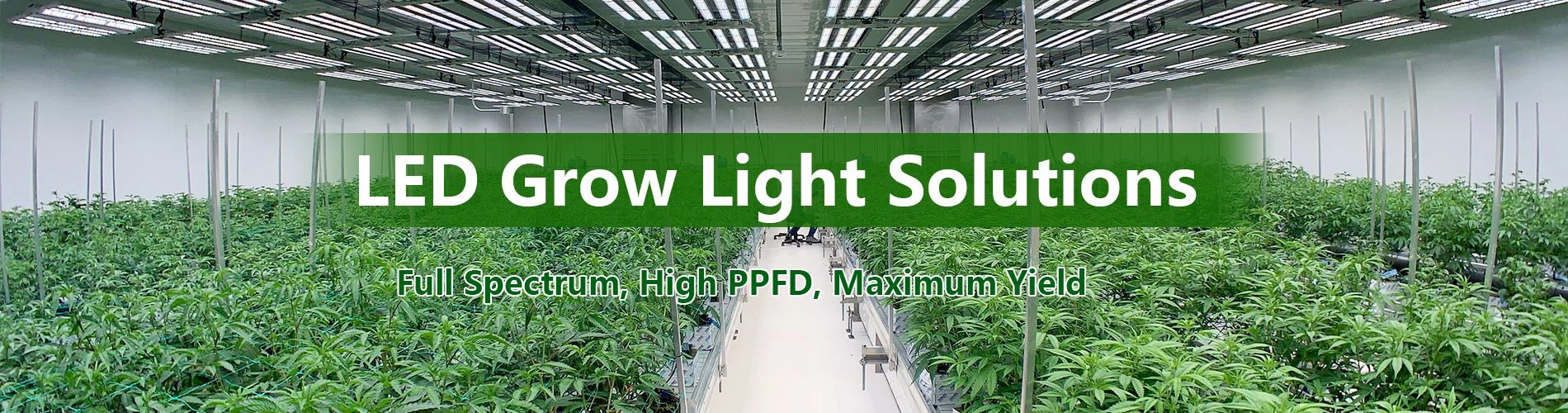
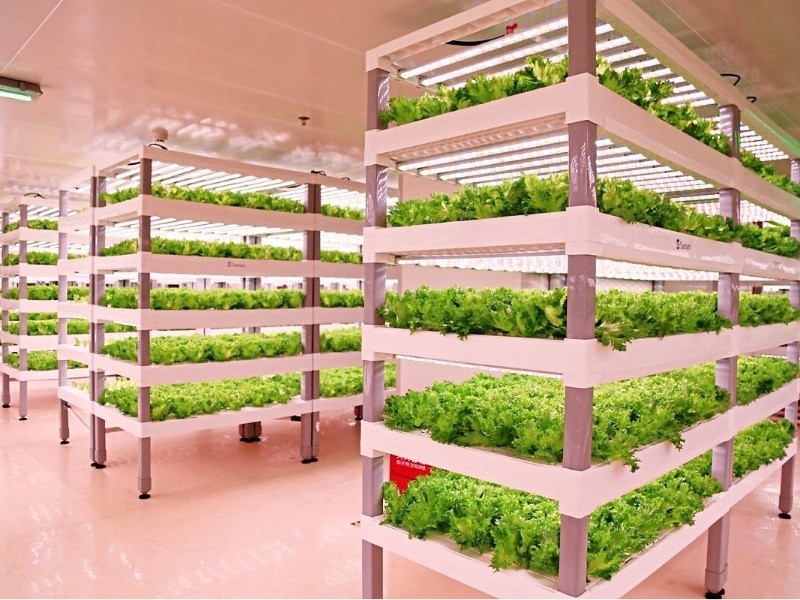
One of the most frustrating sights in a commercial vertical farm is the "V-shaped" growth curve. You look across your Multi-Tier Lettuce Racks, and while the heads in the center are lush and heavy, the ones along the perimeter-near the aisles-are noticeably smaller and lighter. In the industry, we call this the Edge Effect. For a grower, this isn't just an aesthetic issue; it's a direct hit to your bottom line. If 20% of your shelf space produces underweight lettuce, you are losing 20% of your potential revenue every single cycle. Learn the science behind flat light fields: Why "Power" is Secondary to "Uniformity" in Lettuce Factories.
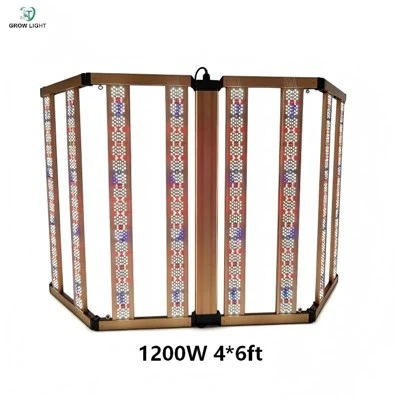
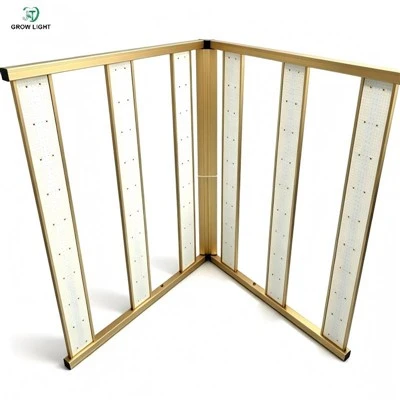
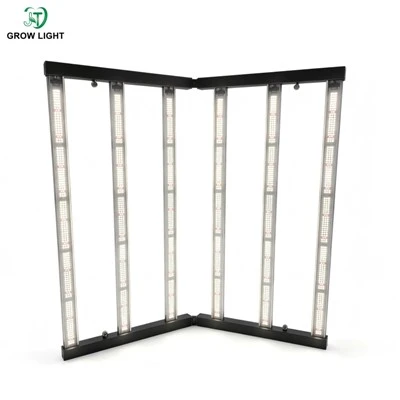
As an engineer, I see this as a failure of light geometry. Most facilities use a centralized LED grow light bar that concentrates photons in the middle, leaving the edges to survive on "spilled" light. To fix this, we need to stop treating the shelf as a single zone and start engineering the perimeter. This is where the modularity of LED tube grow lights becomes your most powerful weapon.
Why Light "Leaks" at the Edge
In a closed rack system, the center of the shelf benefits from "reflective overlap"-light from neighboring diodes bounces around and stays within the canopy. However, at the edge of the rack, there is nothing to bounce the light back. Photons escape into the aisles, creating a sharp drop in PPFD (Photosynthetic Photon Flux Density).
When you use a bulky full spectrum led grow light bar, your mounting options are rigid. You can't easily move the light source closer to the edge without leaving a dark spot in the center. However, by using a series of LED grow lights tube units, you can implement a "Compensatory Layout." At JTGL, we've engineered configurations where the outer tubes are spaced tighter than the inner tubes, or where the outer tubes are driven at a slightly higher intensity to "over-provision" the edges.
The "Perimeter Boost" Strategy
To ensure your perimeter lettuce is as heavy as the center lettuce, you need to adjust the placement logic. Here is how we engineer it:
Offset Mounting: Instead of centering your lights, we move the outermost LED tube grow lights closer to the rack's edge. This places the "peak" of the light cone directly over the plants that usually sit in the shadows.
Asymmetric Distribution: In a 5-tube setup, the gaps between the tubes don't have to be equal. By narrowing the gap between the last two tubes on each side, you create a higher photon density at the perimeter.
Reflector Integration: Because the full-spectrum LED grow light tube is slim, it allows for the integration of mini-reflectors or specialized lenses that "kick" the light back toward the plants.
Our laboratory tests at JTGL show that this "Perimeter Boost" strategy can increase the weight of edge-row lettuce by up to 18%, effectively matching the weight of center-row lettuce.
Thermal Balance and Edge Growth
Another hidden factor in the Edge Effect is temperature. Plants near the aisles often experience higher airflow and slightly lower temperatures than those in the center. While this sounds good, it can actually slow down the metabolism of the edge plants compared to their "warmer" neighbors in the middle.
Warning: Dense racks lead to extreme humidity. Make sure your edge-boosting setup is protected: Why Your Lettuce Racks are Killing Standard LED Tubes.
A heavy LED grow light bar produces a significant heat signature at its center, exacerbating this temperature gap. Using distributed LED grow light tube units spreads the heat load. This creates a more stable thermal blanket across the entire rack, ensuring that the lettuce's metabolic rate is synchronized from left to right.
The Financial Impact of "Edge Uniformity"
If you are running a facility with 1,000 racks, and each rack has a 15% weight deficit on the edges, you are effectively operating a 850-rack farm while paying for the electricity and labor of 1,000.
By engineering out the Edge Effect with LED tube grow lights, you are reclaiming that "lost" 15%. You aren't just buying Lettuce grow lights; you are buying the ability to utilize every square inch of your Multi-Tier Lettuce Racks. In the world of commercial agriculture, uniformity is the shortest path to profitability.
Conclusion: Every Plant Deserves Equal Light
Stop accepting smaller lettuce at the edges as a "part of the business." It is a solved engineering problem. By shifting from rigid bars to a flexible, tube-based array, you can ensure that every head of lettuce-no matter where it sits on the shelf-reaches its full potential. When your perimeter plants are as heavy as your center plants, your farm is finally running at 100% efficiency.
FAQ
Q1: Will moving tubes to the edge leave the center too dark?
A: No. The overlapping light cones from the inner LED tube grow lights maintain optimal intensity in the center. We use precision mapping to ensure the entire shelf remains balanced.
Q2: Can I use the same LED tubes for both the edge and the center?
A: Yes. The secret is in the spacing. Narrowing the gaps between the outer tubes is usually enough to compensate for light loss without needing different fixtures.
Q3: How much closer should I move the tubes to the edge?
A: Moving the outermost LED grow lights tube just 2-3 inches closer to the rack edge can boost perimeter light by 15%, redirecting "wasted" aisle light back to your plants.
Q4: Will adding more light to the edges cause tip-burn?
A: No. Because a full spectrum LED grow light tube dissipates heat linearly, it doesn't create "hot spots." You get more light for growth without the heat stress common in heavy bars.