


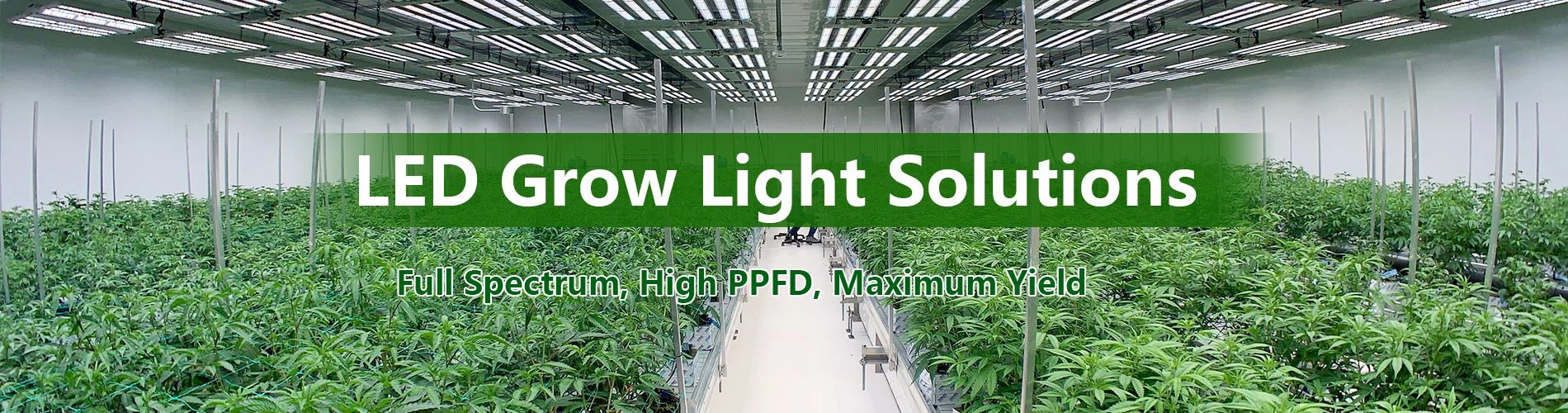
In modern greenhouse farming and indoor gardening, artificial lighting-especially LED grow lights-has become an essential tool for growers to enhance crop efficiency. Recently, a customer asked us whether plants can be exposed to light 24 hours a day. While it may seem logical that longer light exposure leads to better growth, excessive illumination can be counterproductive.
It's similar to feeding a baby. As parents, we want our children to grow quickly, so we ensure they get enough milk. However, we provide food based on their ability to digest it. Overfeeding can lead to indigestion and illness. The same principle applies to plant growth.
In this article, I will analyze the drawbacks of 24-hour continuous lighting, introduce the optimal lighting duration for different plants, and share strategies to optimize light exposure to maximize crop yield.
Why Shouldn't Plants Receive 24/7 Light?
Many people believe that continuous light exposure can accelerate photosynthesis and promote faster plant growth. However, the opposite is true-prolonged exposure to light can harm plants in several ways:
1. Reduced Photosynthesis Efficiency
Photosynthesis is not an endless process. After absorbing light, plants use that energy to synthesize organic matter, but they also require periods of darkness for respiration and energy distribution. Without a dark period, plants may experience metabolic imbalances, negatively affecting their growth.
2. Leaf Damage
Excessive light exposure can degrade chlorophyll, causing leaves to discolor, scorch, or dry out. Under intense lighting conditions, plants may suffer from photo-oxidative stress, leading to stunted growth or even death.
3. Disruption of the Growth Cycle
Many plants rely on circadian rhythms to regulate their growth and flowering. For instance, short-day plants require darkness to trigger flowering, while long-day plants need extended light exposure for vigorous growth. Disrupting these natural rhythms can lead to abnormal development or failure to flower.
4. Increased Water Loss
Light exposure promotes transpiration, causing plants to lose water through their leaves. Excessive lighting can lead to excessive water loss, resulting in wilting and increased stress on the root system, ultimately affecting plant health.
5. Inhibited Root Growth
Root development is often more active during dark periods, as plants allocate energy from photosynthesis to support root expansion. Prolonged light exposure can cause plants to prioritize leaf and stem growth over root development, leading to weaker root systems and overall poor health.
6. Higher Energy Consumption and Costs
Most plants require only 16 hours of light per day to sustain optimal photosynthesis. Providing an additional 8 hours of unnecessary light wastes electricity and increases energy costs. For large-scale farming operations, excessive lighting can significantly raise power consumption, reducing profitability.
Optimal Lighting Duration for Different Plants
Plants can be categorized into short-day, long-day, and neutral plants based on their light requirements.
1. Short-Day Plants (10–12 Hours of Light)
Short-day plants require a daily light duration of less than 12 hours to trigger normal flowering and fruiting. Excessive light exposure can inhibit their growth or delay flowering.
Examples:
- Chrysanthemum
- Soybean
- Poinsettia
- Rice
- Begonia
2. Long-Day Plants (14–16 Hours of Light)
Long-day plants need more than 14 hours of light per day for proper growth and flowering. If exposed to insufficient light, they may grow slowly or fail to bloom.
Examples:
- Spinach
- Wheat
- Amaranth
- Radish
3. Neutral Plants (12–16 Hours of Light)
Neutral plants are not highly dependent on light duration and can grow and fruit normally within a 12–16 hour light range.
Examples:
- Tomato
- Cucumber
- Chili pepper
- Strawberry
How to Optimize Light Duration for Higher Crop Yields
To enhance plant growth and yield in indoor environments, growers can implement the following strategies:
1. Use High-Quality LED Grow Lights
Selecting efficient, energy-saving LED grow lights tailored to plant needs is crucial. JT Grow Light offers high-quality full-spectrum LED grow lights that mimic natural sunlight, ensuring optimal growth conditions. These lights provide:
✅Full-spectrum design – Optimized for all growth stages, with precise spectrum adjustments to enhance photosynthesis.
✅Efficient heat dissipation – Featuring thickened PCB boards and aluminum heat sinks to ensure stable, long-lasting photon output.
✅High-efficiency LED chips – Converts electrical energy into light energy with minimal waste, reducing power consumption and improving cultivation efficiency.
https://www.china-growlight.com/led-grow-lights/commercial-led-grow-lights/

2. Use Smart LED Grow Light Controllers
Setting the correct lighting schedule with a smart LED grow light controller ensures plants maintain a healthy circadian rhythm. For example:
✅16-hour schedule: Lights on from 6 AM to 10 PM for general plant growth.
✅12-hour schedule: Lights on from 8 AM to 8 PM for short-day plants.
https://www.china-growlight.com/accessories/grow-controller/led-grow-light-controller.html

3. Incorporate Natural Light
If the growing space receives natural sunlight, combine it with artificial lighting to reduce energy consumption. For instance, utilize sunlight during the day and supplement with LED grow lights at night for a stable light environment.
4. Monitor Light Intensity
Besides duration, light intensity is a critical factor. Using a light meter to measure intensity ensures that plants receive the right amount of light for each growth stage. Suggested levels:
✅Seedling stage: 100–200 µmol/m²/s
✅Vegetative stage: 300–600 µmol/m²/s
✅Flowering stage: 600–900 µmol/m²/s
5. Adjust the Light Spectrum for Different Growth Stages
✅Blue light (400–500 nm): Enhances leaf growth and photosynthesis, suitable for seedlings.
✅Red light (600–700 nm): Promotes flowering and fruit development.
✅Full-spectrum LED lights: Provide balanced lighting for all growth stages. JT Grow Light offers high-quality LED grow lights designed to meet these needs.

Are your plants receiving the best lighting conditions? Share your growing experience with us!


