


Hey there, fellow plant lovers! I'm [Your Name], and I'm stoked to be part of the awesome world of hydroponic growing systems. As a supplier, I've seen firsthand how hydroponics can revolutionize the way we grow plants. Today, I want to dive into the unique requirements for growing cacti in a hydroponic system.
First off, let me give you a quick rundown on hydroponics. It's a method of growing plants without soil, using a nutrient - rich water solution instead. This approach offers a ton of benefits, like better control over the plant's environment, faster growth, and less risk of soil - borne diseases. But when it comes to cacti, things get a little different.
1. Nutrient Solution
Cacti are adapted to survive in nutrient - poor environments. In a hydroponic system, we need to mimic these conditions carefully. A standard hydroponic nutrient solution might be too rich for cacti. You'll want to use a diluted solution. A good starting point is to use about one - quarter to one - half of the recommended strength for other plants.
The nutrient solution should be low in nitrogen. Cacti don't need a lot of nitrogen because they grow slowly. Too much nitrogen can lead to weak, leggy growth. Instead, focus on a balanced mix with a higher proportion of phosphorus and potassium. Phosphorus helps with root development, which is crucial for cacti, and potassium aids in overall plant health and stress tolerance.
We offer a range of nutrient solutions that can be customized for cacti. You can check out our Indoor Hydroponic Vegetable Garden System which comes with options to adjust the nutrient levels according to your plant's needs.
2. Growing Medium
In hydroponics, a growing medium is used to support the plant's roots. For cacti, the medium needs to be well - drained. Traditional hydroponic media like rockwool or coconut coir might hold too much water for cacti. A better option is perlite or pumice. These materials are lightweight and allow for excellent air circulation around the roots.
Perlite is made from volcanic glass that has been heated and expanded. It's porous, which means it can hold some moisture but also drains quickly. Pumice is another volcanic rock that is full of tiny air pockets. It helps to keep the roots oxygenated, which is essential for cacti.
Our Hydroponic Vertical Planting Tower can be easily adapted to use perlite or pumice as the growing medium for your cacti.
3. Watering Schedule
Cacti are used to long periods of drought in their natural habitat. In a hydroponic system, over - watering is one of the biggest mistakes you can make. You need to let the growing medium dry out almost completely between waterings.

A good rule of thumb is to check the moisture level of the medium regularly. You can use a moisture meter, or simply stick your finger about an inch into the medium. If it's dry, it's time to water. When you do water, make sure the nutrient solution reaches all the roots, but don't let it sit in the reservoir for too long.
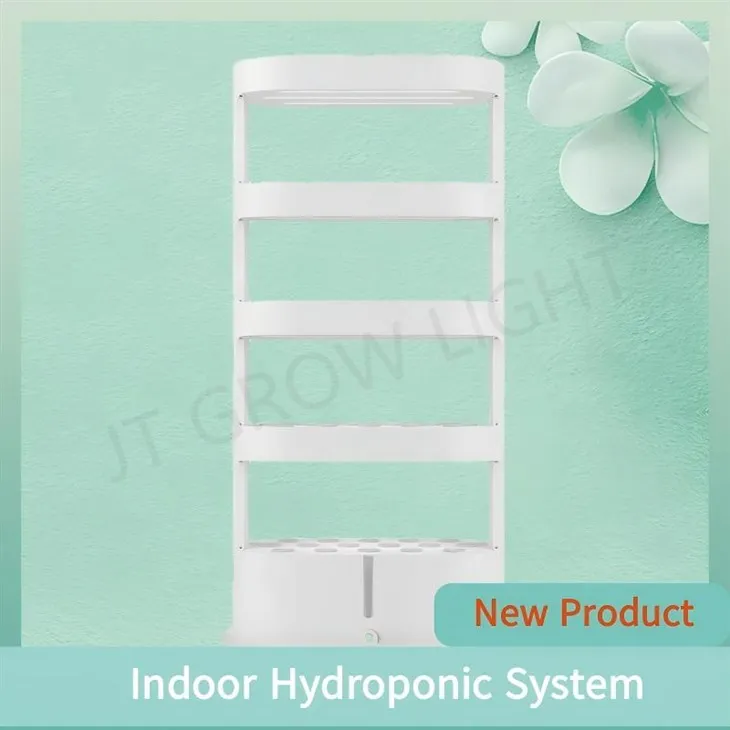
Our Indoor Growing Tower For Vegetables has a built - in water management system that can be adjusted to suit the watering needs of cacti. You can set the frequency and duration of watering to ensure your cacti get just the right amount of moisture.
4. Lighting
Cacti love sunlight. In a hydroponic setup, you need to provide them with enough light to thrive. If you're growing cacti indoors, you'll need to use artificial lighting. LED grow lights are a great option. They are energy - efficient and can be customized to provide the right spectrum of light for cacti.
Cacti need a lot of bright light, but they also need a period of darkness. Aim for about 12 - 14 hours of light per day, followed by 10 - 12 hours of darkness. This mimics their natural cycle and helps them grow healthy.
5. Temperature and Humidity
Cacti are used to warm, dry environments. In a hydroponic system, you need to keep the temperature between 65°F and 85°F (18°C - 29°C) during the day and a few degrees cooler at night. High humidity can be a problem for cacti, as it can lead to fungal diseases. Try to keep the humidity below 50%.
You can use a small fan in your hydroponic setup to improve air circulation and lower humidity. Also, make sure your growing area is well - ventilated.
6. pH Level
The pH level of the nutrient solution is crucial for cacti. They prefer a slightly acidic to neutral pH, around 6.0 - 7.0. You can use a pH testing kit to check the pH of your solution regularly. If the pH is too high or too low, you can adjust it using pH up or pH down solutions.
7. Pruning and Maintenance
Just like other plants, cacti need some pruning and maintenance. Remove any dead or damaged parts of the plant to prevent the spread of diseases. You can also trim back any overgrown branches to keep the plant looking neat.
In a hydroponic system, it's also important to clean the reservoir and the growing medium regularly. This helps to prevent the build - up of algae and other contaminants.
Why Choose Our Hydroponic Systems?
We understand that growing cacti in a hydroponic system can be a bit tricky. That's why our hydroponic systems are designed to be user - friendly and customizable. Whether you're a beginner or an experienced grower, our systems can help you create the perfect environment for your cacti.
Our team of experts is always on hand to provide you with advice and support. We can help you choose the right nutrient solution, growing medium, and lighting setup for your cacti.
If you're interested in purchasing a hydroponic system for growing cacti or have any questions, don't hesitate to reach out. We're eager to start a conversation with you and help you take your cactus - growing game to the next level.
References
- Resh, H. M. (2013). Hydroponic Food Production: A Definitive Guidebook for the Advanced Home Gardener and the Commercial Hydroponic Grower. CRC Press.
- Dole, J. M., & Wilkins, H. F. (2005). Floriculture: Principles and Species. Pearson Prentice Hall.


