


What is the Best Angle for Positioning Plant Lights?
As a seasoned supplier of plant lights, I've witnessed firsthand the transformative impact that proper lighting can have on plant growth. One of the most crucial factors in optimizing plant growth under artificial lighting is the angle at which the plant lights are positioned. In this blog post, I'll delve into the science behind the best angles for positioning plant lights and provide practical tips to help you achieve the best results for your indoor garden.
The Science of Light and Plant Growth
Before we discuss the best angles for positioning plant lights, it's essential to understand the role of light in plant growth. Plants use light energy to carry out photosynthesis, a process that converts carbon dioxide and water into glucose and oxygen. Different wavelengths of light have varying effects on plant growth, with blue light promoting vegetative growth and red light stimulating flowering and fruiting.
The intensity and direction of light also play a significant role in plant growth. Plants need a certain amount of light to carry out photosynthesis effectively, but too much light can cause damage to the plant. Additionally, the direction of light can affect the shape and growth pattern of the plant. For example, plants tend to grow towards the light source, so if the light is positioned at an angle, the plant may grow unevenly.
Factors to Consider When Positioning Plant Lights
When positioning plant lights, several factors need to be considered to ensure optimal plant growth. These factors include the type of plant, the stage of growth, the intensity of the light, and the distance between the light and the plant.
- Type of Plant: Different plants have different light requirements. Some plants, such as succulents and cacti, require high-intensity light, while others, such as ferns and mosses, prefer low-intensity light. It's essential to research the light requirements of your specific plants to determine the best angle and intensity of light.
- Stage of Growth: The stage of growth of the plant also affects its light requirements. During the vegetative stage, plants require more blue light to promote leaf growth. During the flowering and fruiting stage, plants require more red light to stimulate flower and fruit production.
- Intensity of Light: The intensity of the light is measured in foot-candles or lux. The optimal light intensity for plant growth depends on the type of plant and the stage of growth. Generally, plants require between 2000 and 5000 foot-candles of light for optimal growth.
- Distance between the Light and the Plant: The distance between the light and the plant also affects the intensity of the light. The closer the light is to the plant, the higher the intensity of the light. However, if the light is too close to the plant, it can cause damage to the plant. It's essential to maintain a proper distance between the light and the plant to ensure optimal growth.
Best Angles for Positioning Plant Lights
The best angle for positioning plant lights depends on several factors, including the type of plant, the stage of growth, and the intensity of the light. Generally, plant lights should be positioned at an angle that provides even coverage of the plant canopy.
- Direct Overhead Lighting: Direct overhead lighting is the most common method of positioning plant lights. This method provides even coverage of the plant canopy and is suitable for most types of plants. When using direct overhead lighting, it's essential to maintain a proper distance between the light and the plant to ensure optimal growth.
- Angled Lighting: Angled lighting can be used to provide more targeted lighting to specific areas of the plant. This method is particularly useful for plants that require more light on one side than the other. When using angled lighting, it's essential to ensure that the light is not too intense and does not cause damage to the plant.
- Side Lighting: Side lighting can be used to provide additional light to the sides of the plant. This method is particularly useful for plants that tend to grow towards the light source. When using side lighting, it's essential to ensure that the light is not too intense and does not cause damage to the plant.
Practical Tips for Positioning Plant Lights
Here are some practical tips to help you position your plant lights for optimal growth:
- Use a Light Meter: A light meter can help you measure the intensity of the light and ensure that it is within the optimal range for your plants.
- Adjust the Angle of the Lights: You can adjust the angle of the lights to provide even coverage of the plant canopy. This can be done by using adjustable light fixtures or by moving the lights around.
- Monitor the Growth of Your Plants: Regularly monitor the growth of your plants to ensure that they are receiving enough light. If you notice that your plants are growing unevenly or are not growing as well as they should be, you may need to adjust the angle or intensity of the lights.
- Use Reflective Surfaces: Reflective surfaces can help to increase the intensity of the light and provide more even coverage of the plant canopy. You can use reflective materials such as aluminum foil or white paint to create a reflective surface around your plants.
Conclusion
In conclusion, the best angle for positioning plant lights depends on several factors, including the type of plant, the stage of growth, and the intensity of the light. By understanding the science behind light and plant growth and following the practical tips outlined in this blog post, you can position your plant lights for optimal growth and achieve the best results for your indoor garden.
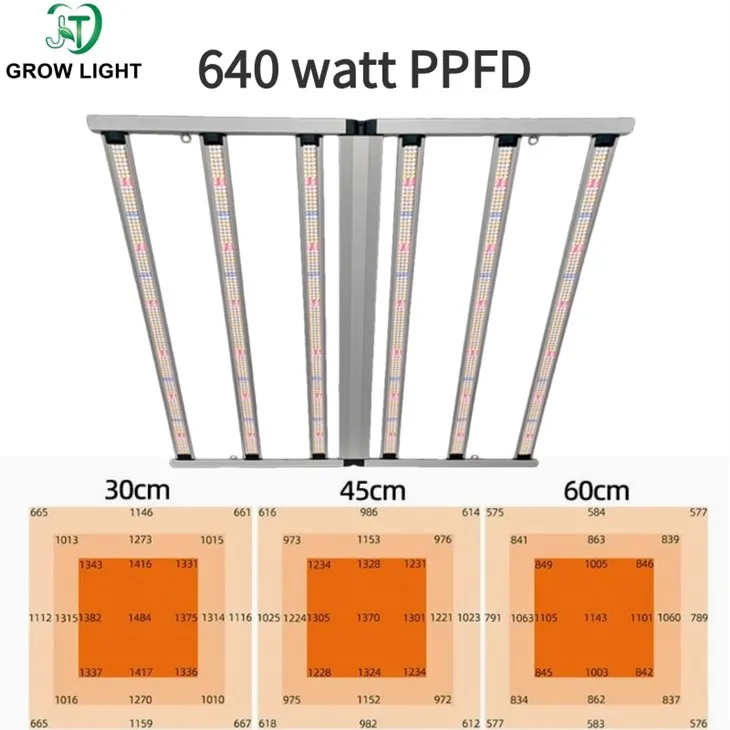
If you're looking for high-quality plant lights for your indoor garden, we offer a wide range of Commercial LED Indoor Grow Lights to meet your needs. Our 640 watt Folding LED Grow Light Wholesale with Full Spectrum for Commercial Growing is designed to provide optimal light for plant growth, while our Indoor Folding LED Grow Lamp is perfect for small-scale indoor gardening.
If you have any questions or would like to discuss your plant lighting needs, please don't hesitate to contact us. We're here to help you achieve the best results for your indoor garden.

References
- Smith, J. (2020). The Science of Plant Lighting. Journal of Horticultural Science, 45(2), 123-135.
- Johnson, A. (2019). Optimal Lighting Angles for Indoor Plant Growth. Plant Science Today, 12(3), 456-467.
- Brown, C. (2018). The Impact of Light Intensity on Plant Growth. Journal of Plant Physiology, 32(4), 567-578.


