This question sounds simple, but it actually needs to be analyzed based on the specific situation. If you just grow flowers and vegetables at home, and the summer sun is full, then there is really no need to give them supplemental light. But if you are growing some economic crops, such as fruits and vegetables, or you have special requirements for the quality and harvest time of the plants, then supplemental light is worth talking about.
The role of Supplemental Light in greenhouses
Let's talk about greenhouse planting first. If you are growing fruits or economic crops in a greenhouse, although there is plenty of sunshine outside in summer, the covering materials of the greenhouse will block some of the light, especially in the morning and evening, and the light intensity is not enough. If the weather is changeable, it may be cloudy and rainy for several days in a row, and insufficient light time will affect the photosynthesis of plants.
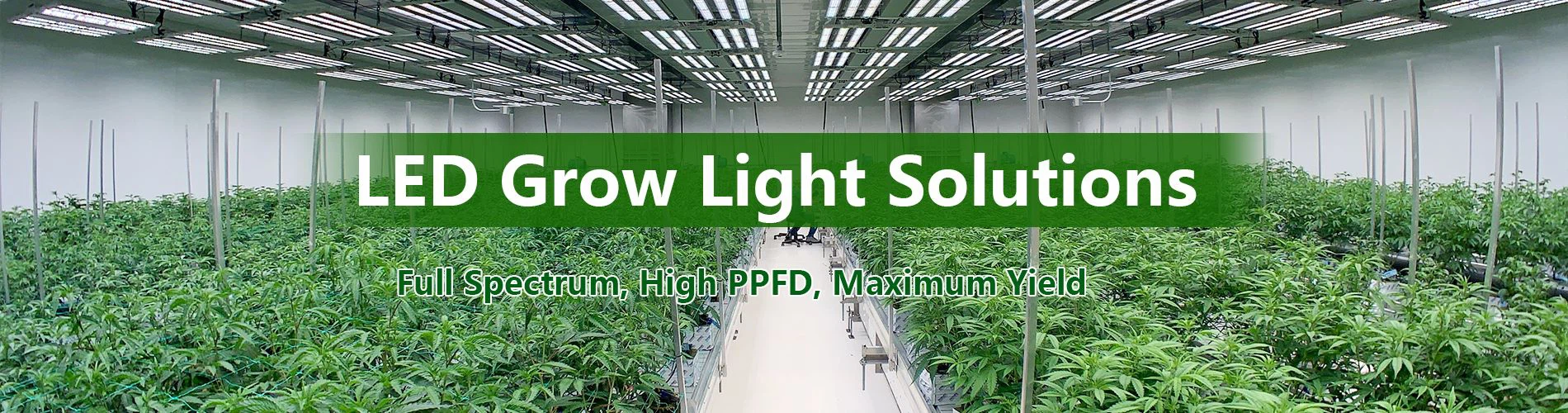
In this case, supplemental greenhouse lighting can come in handy. Supplemental grow lights can simulate sunlight, provide plants with the spectrum required for growth, and allow plants to continue photosynthesis. Not only that, by adjusting the time and intensity of supplemental light for plants, the growth cycle of plants can also be artificially controlled, such as making fruits mature early or increasing the yield of leafy vegetables.
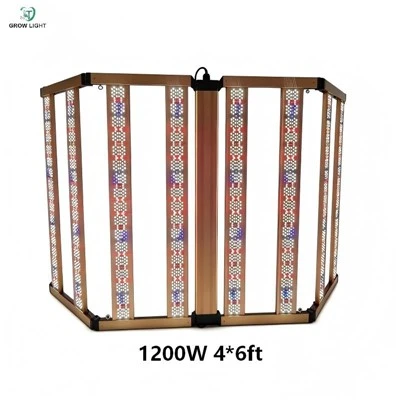
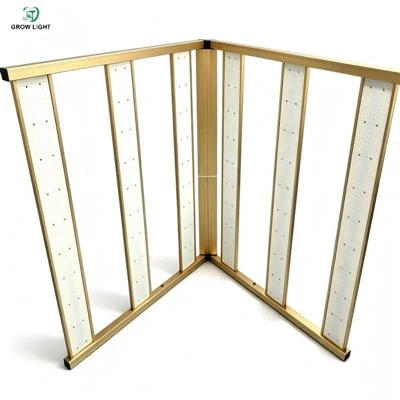
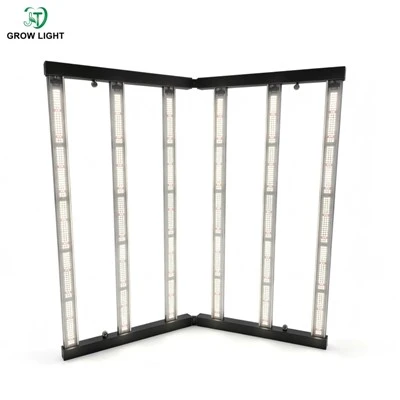
JT Grow light's Greenhouse top grow light is a good choice. We can customize the appropriate spectrum according to the crops you grow. For specific parameter information, please refer to the introduction of our website.

How does supplemental light improve fruit quality?
In addition to regulating the growth cycle, supplemental light can also directly improve the quality of fruits. For example, the sweetness and sugar accumulation of fruits require the support of photosynthesis. The better the photosynthesis is, the more sufficient the nutrient accumulation of plants is, and the final result is that the fruits are sweeter and more delicious.
Some people may ask, there is already so much light in the summer, will the plants be "excessively exposed to light"? In fact, no. There is a threshold for the light absorbed by plants. After reaching this value, the excess light will not help its photosynthesis much, but it will not harm it. By adjusting supplemental light for plants, effective light can be provided to plants more accurately. For example, under certain supplemental light conditions, the color of tomatoes will be more rosy and the taste will be better. This is the advantage of supplemental light.

Economic benefits of early harvest
For some professional growers, an important purpose of supplemental light is to harvest early. For example, the price of fruits that are put on the market earlier is often higher, and the same is true for vegetables. If you can use supplemental light to make crops go on the market half a month or even a month earlier than the normal cycle, you can seize the market opportunity and sell them at a good price.
For example, strawberries can be put on the market in winter or early spring through the combination of supplemental light and temperature control, and the price is usually several times that of the peak season. Another example is leafy vegetables, which can make them grow faster and more evenly, and enter the market for sale earlier.

What are the applications of supplemental light?
The use of supplemental led grow lights is not as simple as "all on" or "all off". We can flexibly adjust the supplemental light plan according to the different growth stages of the plants.
Seedling stage:
Plants have a high demand for light in the seedling stage. At this stage, sufficient light is needed to promote the expansion of leaves and the development of the root system. If there is insufficient light, the seedlings are prone to leggy growth, grow thin and tall, and lack toughness. Appropriate supplemental lighting can make the stems of seedlings thick and strong, laying a good foundation for subsequent growth.
Flowering period:
The light required at this stage is not only "enough", but also "high quality". Supplemental grow lights can promote flower bud differentiation and increase the number and quality of flowering. If the light is insufficient, flowers and fruits may fall.
Fruit expansion period:
This is a critical period that determines yield and quality. Supplemental lights for plant can not only promote fruit expansion, but also increase sugar accumulation, making the fruit sweeter and more competitive in the market.

How to choose and use supplemental grow light
The supplemental grow light comes in many varieties, such as LED plant lights, high-pressure sodium lamps, fluorescent lamps, etc. For most growers, LED plant lights are a good choice because they can provide the red and blue light required for plant growth, with high efficiency and low energy consumption.
- Spectrum selection:
Red light: promotes flowering and fruiting.
Blue light: promotes stem and leaf growth.
Usually, the ratio of red light to blue light is between 5:1 and 8:1, but the specific ratio can be adjusted according to the type and growth stage of the crop.
- Supplementary light time:
Plants generally need 10 to 16 hours of light per day, and the specific time should be set according to the photoperiod characteristics of the plant.
If it is a short-day plant, such as chrysanthemums and strawberries, you can use supplementary light to "cheat" them into thinking that the daytime is longer, thereby changing the time of flowering and fruiting.
- Lamp placement:
The placement height and angle of the supplementary light are also important. It is usually recommended that the lamp be 20-50 cm away from the top of the plant to ensure uniform light coverage and avoid excessive light burning the plant.
Does home planting need supplemental grow light?
For home planting, whether to use supplemental light actually depends on the location and type of plants. If your plants are placed in places such as balconies and terraces, especially in summer, with plenty of sunlight, then there is basically no need for additional supplementary light, which is worry-free and labor-saving!
However, if the plants are placed in places with weak light such as windowsills and living rooms, or if you are growing particularly "light-loving" plants, such as succulents, strawberries, and herb-potted plants, appropriate supplementary light is very necessary. If these plants are not exposed to enough light, they may grow too tall (thin and tall, with sparse leaves), or their leaves may become lighter in color, and even directly affect flowering and fruiting.
Supplemental light does not need to be complicated. A small LED supplemental light is enough. Remember to adjust the distance and duration. Too close or too long may cause the leaves to be "burned"!
What are the misunderstandings about supplemental light?
The more supplemental light, the better. right?
Not really! What plants need is "effective light", not just turning on the light casually. If the light exposure time is too long, it will disrupt the plant's biological clock and affect its growth. For example, for succulents, sometimes too much light will not only fail to make it grow better, but may also cause the leaves to be sunburned or their condition to deteriorate. Generally speaking, 8-12 hours of supplemental light a day is enough, and it should be adjusted appropriately according to the type of plant. Too much is as bad as too little!
Use ordinary lights instead of plant lights, right?
No! Although ordinary incandescent lamps and energy-saving lamps can emit light, their spectrum is not suitable for plants. Plants need specific wavelengths of light (such as red and blue light) to photosynthesize, while ordinary lights basically only illuminate and do not promote growth. If you really want to give plants supplemental light, you should buy a special plant grow light, which is much more effective.
Do all plants need supplemental light?
Not entirely! Some shade-tolerant plants, such as green radish and monstera, do not require much light and are usually placed in a place with bright light but no direct sunlight. Therefore, it is best to understand the light requirements of plants before supplementing light, and don't blindly follow the trend.

Conclusion
There is plenty of sunshine in the summer, but whether you need to give plants supplemental light depends on your specific needs. If you are an ordinary family grower and do not have high requirements for harvest time and quality, you can let nature take its course. But if you are a professional grower and want to harvest early and improve quality through supplemental light, or if there is insufficient light in family planting, supplemental grow light is definitely a direction worth investing in.
Supplemental light is not simply "just having light", but requires scientific planning and operation. Whether it is choosing the right lamp, adjusting the lighting time, or combining the growth needs of plants, mastering these skills can make your plants grow better, faster, and with better quality!