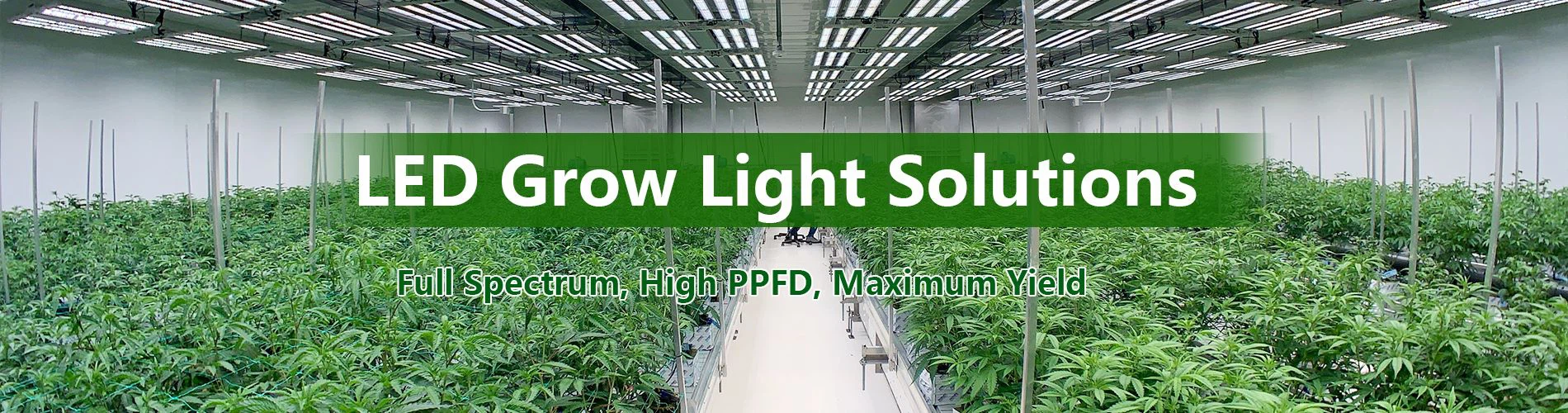
When it comes to growing plants indoors, one of the most important factors is the Grow Light. We all know that plants need light to grow, but getting the right led light intensity distance from light can make or break your garden. Too close and your plants might get burned; too far, and they won't get enough light to thrive. So, how do you find the sweet spot?
Why Does the grow light distance from plants Matter?
Okay, so let's break it down. You might be thinking, "What's the big deal with how far should led grow lights be from plants? Does it make a difference?" Oh yes, it absolutely does! The LED Grow light distance from plant is like the difference between too much sunlight and just the right amount. It's all about getting that sweet spot - too little light, and your plants won't grow strong; too much, and you could end up with some crispy, burnt leaves.
Here's the thing: LED Grow Light isn't just a simple on-off switch for your plants. It's energy. Think of it like food: if you're feeding your marijuana the right amount of light at the right distance, they'll flourish, get healthier, and produce more. But if you either overdo it or underdo it, the results may not be so ideal.
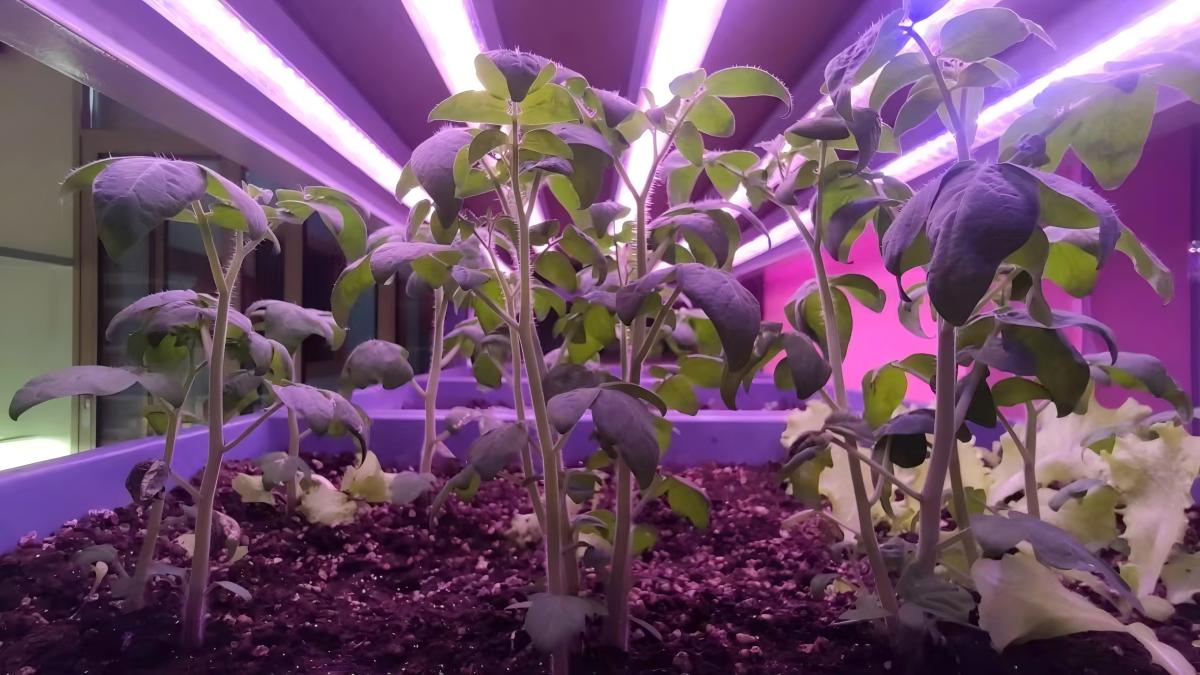
You've probably heard of PPFD, right? No? Don't worry, it's not as complicated as it sounds. PPFD stands for Photosynthetic Photon Flux Density, and it's basically a fancy way of saying "how much usable light is hitting your plant leaves." The closer your lights are, the more intense the light will be, which can sometimes overwhelm your plant. But, if the lights are too far, your plants might not get enough energy to grow properly. The trick is finding that perfect balance.

It's all about intensity. Light intensity is like the power of the light – how much energy it's giving off. If your lights are too close, you get a lot of intensity (which can hurt the plants), and if they're too far, you don't get enough intensity (which means weak growth). By adjusting the LED lamp's distance, you're basically controlling how much "food" your plants get. The closer the light, the more energy, and the farther away it is, the less energy your plants are getting. Finding the perfect height helps you give your plants just the right amount of light they need to grow strong, healthy, and vibrant.
Factors That Affect LED grow light distance from plant
Now that we know why distance matters, let's talk about the factors that affect how far away grow lights be from plants. There's not a one-size-fits-all answer, but there are a few things you need to consider:
A. Growth Stages of Plants
Different plants need different amounts of light at different stages of their growth. Think about it like this – seedlings are like babies, they need tender love and care, and they can't handle too much intensity. But once they're bigger and stronger, they can handle more light to fuel their growth.
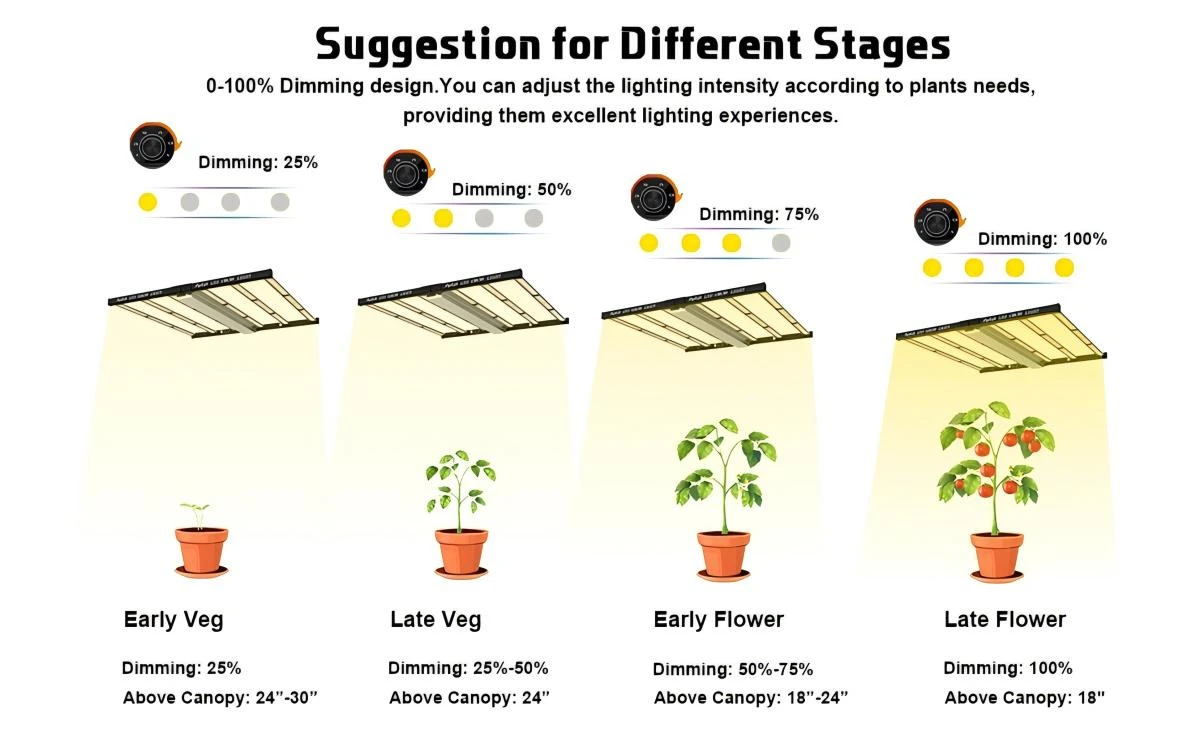
1)Seedling Stage: When your plants are in the seedling stage, they're still delicate and can't handle too much light. You'll want to keep your LED grow lights about 6-12 inches above them. This will give them enough light without overwhelming them. If you're using a dimmable LED grow light, you can start with low intensity (around 25% or so), and gradually increase it as they get used to it.
Real-life Example: I had a customer who started with her grow light too close to her seedlings. The result? She saw some yellowing leaves and stunted growth. After she moved the light higher and adjusted the intensity, and within a week, the seedlings started thriving. So, take it easy on those little guys at first!
2) Vegetative Stage: As your plants grow, they'll need more light to support their leafy growth. During this stage, you can raise your lights to about 18–24 inches above your plants. This way, the plants get more light without it being too intense. The intensity should also be higher now – usually around 50% to 75%, depending on the light type.
3)Flowering Stage: The flowering stage is when your plants really need the most light. If you're growing something like cannabis, for example, this is when the buds start forming. You want to get your lights as close as 18–30 inches, depending on how strong the light is, and crank up the intensity to 100%. This encourages your plants to focus all their energy on producing flowers.

B. The Type of LED Grow Light
Not all LED grow lights are created equal. There are different types-some are high-intensity, while others are lower-intensity. The type of LED Grow light you're using will definitely affect how far you should place it from your plants.
For example, high-intensity LED (like full-spectrum grow lights) tend to have a much higher PPFD, so they need to be placed farther away to prevent burning your plants. On the other hand, lower-intensity LEDs can be placed closer to the plants because they don't deliver as much light.
C. Reflective Surfaces
One trick that can help maximize the effectiveness of your grow lights is using reflective surfaces. Reflective walls or mylar can bounce light back onto your plants, meaning you don't have to worry about placing the lights as close to get the right intensity.
D. CO2 Levels
Here's where it gets a little more advanced. If you're using CO2 enrichment in your grow space, your plants can handle more light. That means you can bring your LED grow lights closer to the plants, increasing the PPFD without causing harm. Some growers who use CO2 supplementation hang their lights as close as 16 inches during flowering!
E. Leaf Temperature
One thing to watch out for is the leaf temperature. If your plant leaves are getting too hot, it could lead to heat stress, even if the light isn't directly burning them. You should aim to keep your leaf temperature below 30°C (86°F). If it's too hot, raise the lights or lower the intensity to keep things comfortable for your plants.
Ideal led grow light distance from plant
Alright, let's talk specifics. How high should you hang your LED grow lights above your plants? There's no one-size-fits-all answer because it depends on the growth stage of your plants and the type of light you're using. But don't worry, I've got your back! Let's break it down into easy-to-follow advice. Trust me, once you get the hang of it, it'll feel like second nature.
Think of your plants as growing kids – they need different amounts of care and attention at different stages. The same goes for light! The ideal distance will change as your plants grow from tiny seedlings to full-grown beauties bursting with flowers or fruit. Here's a simple guide to get you started:
Seedlings Stage
When your plants are just starting, they're like babies – delicate and sensitive. Too much light can overwhelm them, but they still need enough to kickstart their growth.
1) Recommended Distance: Keep your LED lights about 24-30 inches above the seedlings.
2) Light Intensity: Use low-intensity settings (about 25%-30% of your light's max power).
3) Why? At this stage, their roots are growing, so they don't need super-intense light yet. A gentle start will prevent "light shock."
Vegetative Stage
Here, your plants are growing like teenagers – getting taller, stronger, and fuller. They can handle more light, and you'll want to give them the energy they need to build up strong stems and lush leaves.
1) Recommended Distance: Lower the lights to about 18-24 inches.
2) Light Intensity: Turn up the power to about 50%-75%.
3) Why? Your plants need more light to photosynthesize effectively, but you still want to avoid burning those leaves.
Flowering Stage
Now your plants are in their prime – think of this as their "adulthood." They're working hard to produce flowers or fruits, so they need lots of energy from the light.
1) Recommended Distance: Position your lights around 12-18 inches above the plants.
2) Light Intensity: Go full throttle-crank it up to 100%.
3) Why? Strong light encourages better yields and healthier blooms, but keep an eye on the leaves to make sure they're not overheating.
Here's the grow light distance chart LED for reference:
|
Growth Stage |
Distance from Plants |
Light Intensity |
Notes |
|
Seedlings |
24-30 inches |
25%-30% |
Start gently; avoid overwhelming the young plants. |
|
Vegetative |
18-24 inches |
50%-75% |
Balance energy for growth without burning the leaves. |
|
Flowering |
12-18 inches |
100% |
Max intensity for high yields; watch for leaf damage. |
Dimmable vs. Non-Dimmable LED Lights
If you're using dimmable LED lamps, you have more flexibility. You can adjust the intensity as your plants grow, which means you can keep the lights at a fixed distance and just turn the intensity up or down as needed. This is especially helpful during the seedling and vegetative stages when you don't want too much intensity right off the bat.
On the other hand, non-dimmable LED are a bit more straightforward – they have a fixed intensity, so you'll need to rely more on the distance to control the amount of light your plants get. These can be good for beginners who want a simple setup.
Best Practices for Successful Indoor Growing
If you're serious about indoor gardening (or just starting and want to avoid rookie mistakes), let's talk best practices. Growing plants indoors with LED lights can feel like a balancing act, but with a little effort, you'll be on your way to lush, thriving greenery. Here are some tips and tricks that'll make you feel like a pro in no time.
1. Start Small and Learn as You Go
Don't feel pressured to create a massive indoor jungle right away. Start with a few plants, learn their needs, and expand as you gain confidence. For example, growing a couple of herbs like basil or parsley under your LED grow lights can teach you a lot without being overwhelming.
Think of it this way: It's better to care for five happy plants than 20 stressed ones.
2. Monitor Light Intensity Like a Hawk
LED lights are amazing, but too much or too little light can spell trouble for your plants. Always check for signs your plants might be struggling:
Too much light? Leaves might turn yellow or look burned.
Not enough light? Your plants might stretch upwards, looking thin and weak.
If you're ever in doubt, move the lights a bit higher and observe for a few days. Plants are great at showing what they need – you just need to pay attention!
3. Maintain the Right Temperature and Humidity
Plants aren't just picky about light; they also care about their environment. Keep your grow room's temperature in the sweet spot of 65°F to 80°F (18°C to 27°C). If it's too cold, your plants might grow slowly. Too hot? They could wilt or even die.
Humidity is another biggie:
- Seedlings like it is humid, around 70%.
- Vegetative plants prefer 40%-60%.
- Flowering plants like it drier, around 40%.
- A digital thermometer and hygrometer are lifesavers here.
4. Use Reflective Surfaces
LED lights only shine downward, so you'll want to reflect as much light as possible back onto your plants. Line your grow space with reflective materials like mylar sheets or even plain white paint. This small step can dramatically improve light distribution and save energy.
Fun fact: Mylar reflects about 90% of the light, while aluminum foil is closer to 50%.
5. Feed Them Well (But Don't Overdo It)
Just like people, plants need the right food. Use nutrient-rich soil or add fertilizers designed for the type of plants you're growing. Be careful not to overdo it, though – too many nutrients can cause "nutrient burn," where the leaves get brown and crispy.
If you're new, start with a half-dose of fertilizer and adjust based on how your plants respond.
6. Prune and Trim Regularly
Pruning might sound fancy, but it's really just giving your plants a haircut. Removing dead or overcrowded leaves helps the plant focus its energy on growing bigger and healthier. For example, if you're growing tomatoes, snipping the "suckers" (those little shoots between branches) can help boost fruit production.
7. Keep It Clean
A clean grow space is a happy grow space. Dusty LED lights can reduce light intensity, and dirty pots or soil spills can invite pests. Take a few minutes each week to wipe down your lights, check for bugs, and tidy up your area.
9. Experiment and Adjust
Indoor growing is as much about observation as it is about following rules. Try different heights for your LED lights, test various light spectrums, or switch up your feeding schedule. Keeping a simple journal of what you try and how your plants respond can help you improve over time.
For instance, some growers find their lettuce grows better with blue-heavy light, while tomatoes thrive under red-heavy light. Play around and see what works best for your plants.
10. Have Patience and Enjoy the Process
Plants take time to grow, and there's no rushing Mother Nature. Watching your plants grow from tiny seeds to vibrant, healthy specimens is incredibly rewarding. Don't stress too much about getting everything perfect – even the best growers learn by trial and error.
When you spot that first flower or harvest your first homegrown veggie, you'll know all the effort was worth it.
Final Thoughts
Getting the distance right to how close should a grow light be to a plant can seem like a bit of a puzzle, but once you understand the basics, it becomes much easier. Keep in mind the growth stage of your plants, the type of light you're using, and environmental factors like CO2 levels and temperature. By paying attention to these details and adjusting accordingly, you'll be well on your way to a thriving indoor garden.
Remember, every plant is different, so take the time to experiment and find the setup that works best for you. Happy growing!