


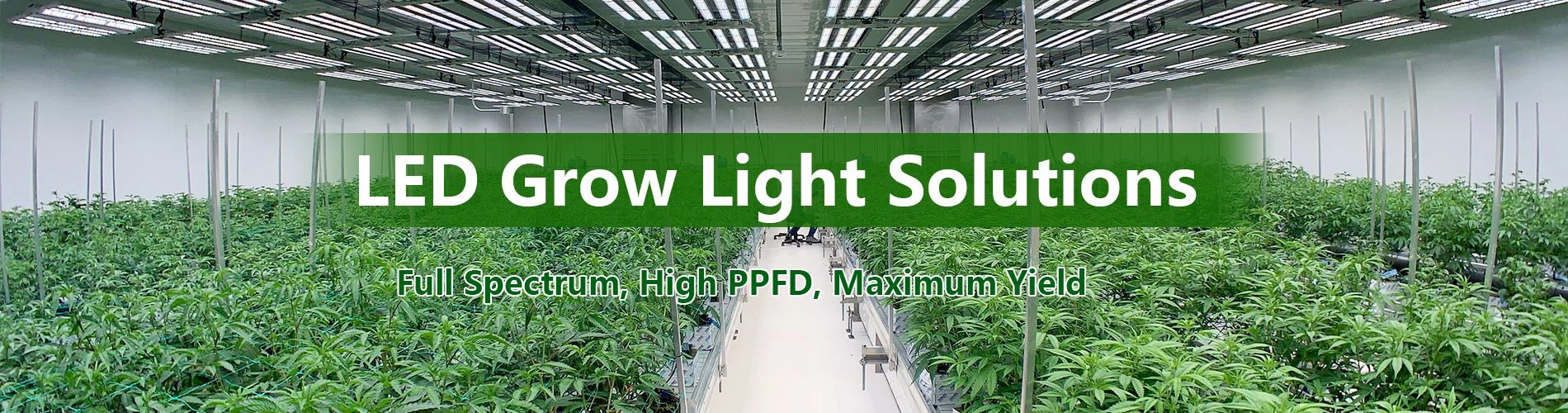

In the early days of vertical farming, the industry borrowed heavily from greenhouse technology. We took high-output LED grow light bar systems designed for high-ceiling environments and tried to cram them into multi-tier racks. As an engineer at JTGL, I've seen the fallout of this "brute force" approach: bowed shelves, blocked airflow, and thousands of dollars wasted on over-engineered steel supports.
When you are designing a commercial facility, every millimeter of vertical space is a line item on your balance sheet. If your lighting system is too bulky, you lose a layer of production. If it's too heavy, you spend more on steel. This is where the engineering of the LED tube grow lights offers a "structural exit" from the complexities of traditional rack design. By choosing a linear, lightweight form factor, you aren't just choosing a light; you are simplifying the entire mechanical soul of your farm.
Reducing Structural Load: The Weight-to-Yield Ratio
One of the first things a structural engineer looks at is the "Static Load" on a rack. A commercial LED grow light bar can weigh anywhere from 8 to 15 kilograms. When you multiply that by five or six layers, you are adding hundreds of kilograms of dead weight to a single racking unit. This forces the grower to invest in heavy-duty, industrial-grade steel and reinforced footings.
By contrast, an array of LED tube grow lights is significantly lighter. A standard 1.2-meter tube, even with its high-purity aluminum heat sink, weighs a fraction of a heavy bar. This weight reduction allows for a "Lightweight Rack" design. You can use standard racking components, reduce your shipping costs for the steel, and decrease the complexity of the assembly process. At JTGL, we've engineered our tubes to strike the perfect balance: enough aluminum mass for 50,000-hour thermal management, but slim enough to keep the structural load at a minimum.
Maximizing Vertical Clearance: The "Hidden" Layer
In a vertical farm, the goal is to maximize the number of layers per room. If your lighting fixture is 3 inches thick and requires another 2 inches of mounting hardware, you are losing 5 inches of vertical clearance per tier. In a 5-tier system, that's 25 inches-nearly enough for an entire extra layer of crops.
The low-profile nature of the LED grow lights tube is its greatest engineering asset. Because the tube can be flush-mounted directly against the underside of the shelf above, your "Fixture Depth" is essentially cut by 60-70%. This gives the plants more room to breathe and allows the grower to tighten the rack spacing. When you can turn a 5-layer facility into a 6-layer facility without raising the roof, your ROI (Return on Investment) changes overnight. This is the definition of engineering efficiency: getting more from the same footprint.
Airflow Dynamics and Thermal Shading
As an engineer, I see a wide LED grow light bar as a "Thermal Baffle." It's a wide physical object that blocks the vertical movement of air. In a dense rack, this creates a "Micro-Climate Trap" where heat and humidity build up under the fixture, leading to fungal issues and calcium deficiencies in the crop.
Linear LED tube grow lights provide "Acoustic and Thermal Transparency." Because there are gaps between the tubes, air can flow freely from the bottom to the top of the rack. This natural convection, combined with your facility's HVAC, ensures that the VPD (Vapor Pressure Deficit) remains consistent across the entire canopy. You don't need to add extra, expensive micro-fans to every shelf because the lighting design itself doesn't obstruct the airflow. We don't just design the light to illuminate; we design it to "disappear" into the facility's environmental system.
Simplifying Electrical Integration: The Daisy Chain Advantage
One of the most expensive parts of rack design is the electrical labor. Wiring a rack for 50 heavy bars involves complex cable management and high-amperage circuits.
The modularity of the LED grow lights tube allows for a simplified "Plug-and-Play" architecture. Using engineered daisy-chain connectors, you can run multiple tubes from a single power drop. This reduces the number of electrical points of failure and makes the installation process up to 30% faster. For a grower managing a SOHO setup or a large commercial facility, being able to snap a light into a clip and plug it into the next unit without a master electrician at every shelf is a massive cost-saving measure.
Maintenance and the "Single Point of Failure"
In a facility using a centralized LED grow light bar, if one driver or one board fails, a huge section of your rack goes dark. Replacing a 10kg fixture 2 meters in the air is a two-person job that risks damaging the crops below.
Engineering a rack around LED tube grow lights provides built-in redundancy. If one tube fails, the neighboring tubes continue to provide 80% of the light needed to keep the crop alive. Replacing a single tube is a 30-second, one-person task. This "Granular Reliability" ensures that your rack design isn't just easy to build, but easy to live with for the next ten years.
Conclusion: Engineering for Scalability
Simplicity is the ultimate sophistication in vertical farming. While the high-wattage LED grow light bar has its place in open-room setups, the multi-tier rack demands a more integrated, lightweight, and low-profile solution.
By centering your rack design on the LED grow lights tube, you simplify the structural mechanics, optimize the environmental airflow, and maximize your vertical real estate. My job as an engineer is to remove the obstacles between the plant and the light. When you simplify the rack, you lower your costs and raise your ceiling for success.


