Introduction to hydroponic vegetable cultivation
Leafy vegetables are made from stems and leaves, and can even be eaten raw, which requires vegetables to be fresh, clean, and pollution-free. Moreover, hydroponic leafy vegetables are cleaner, taste better, and are rich in nutrients. Therefore, most leafy vegetables can be grown hydroponically.
Although leafy vegetables are not easy to store, they need to be produced all year round to meet market demand. Hydroponic leafy vegetables can be sown, planted, harvested, and produced continuously every day, which is the advantage of hydroponic cultivation.

Another great advantage of hydroponic vegetables is that the growth cycle of hydroponic vegetables is short. Because the hydroponic environment can provide plants with a more efficient and direct way to absorb nutrients. In traditional soil cultivation, the roots of plants need to constantly "find" water and nutrients in the soil, while hydroponics omits this complicated process and directly exposes the roots of plants to nutrient-rich water, allowing them to obtain the resources needed for growth anytime and anywhere.
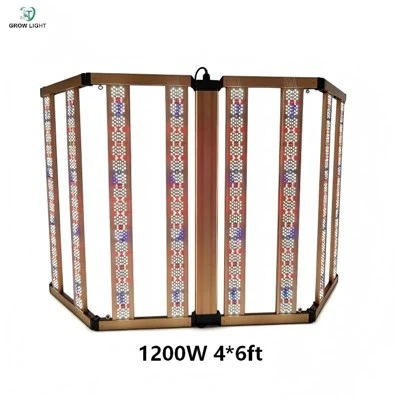
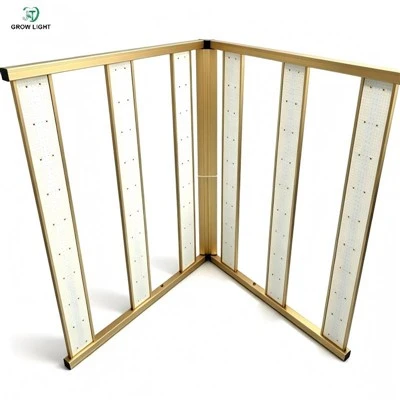
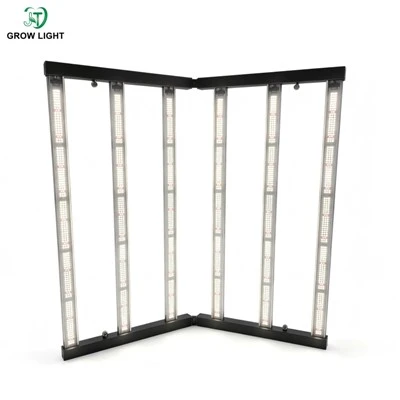
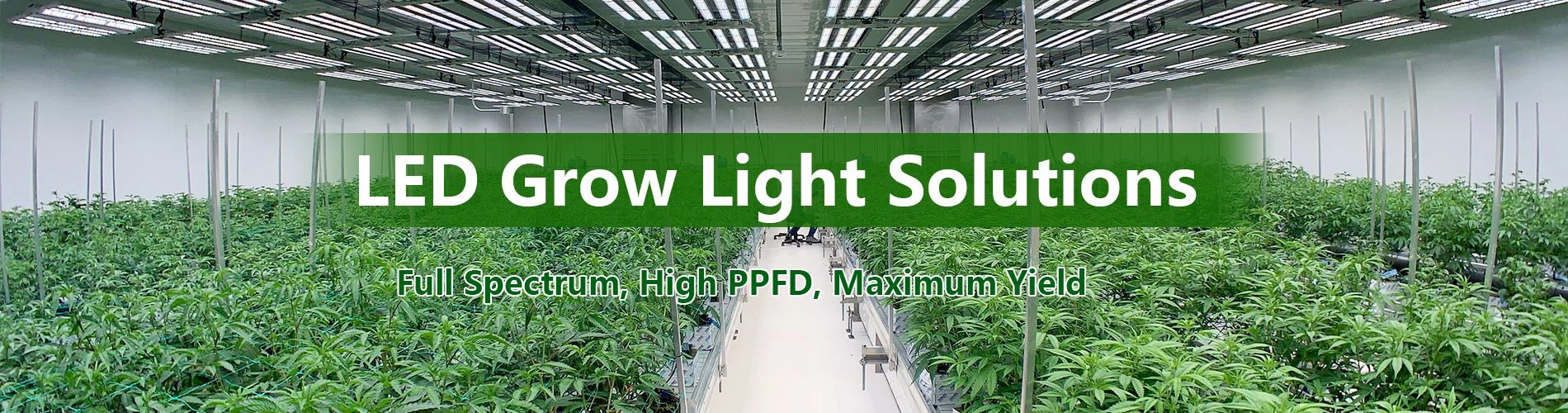
The cultivation and planting of hydroponic vegetables are carried out in greenhouses. To ensure the healthy growth of vegetables, greenhouses are generally equipped with light adjustment facilities, that is, greenhouse plant supplementary lighting, ventilation facilities, and temperature and humidity adjustment facilities. In summer, there are also insect-proof boards to prevent pests.

Hydroponic facilities are generally composed of nutrient solution tanks, seedling equipment, cultivation pools and cultivation boards, liquid addition systems, drainage systems, and circulation systems.
The chlorophyll in vegetables can help the human body detoxify and digest and absorb nutrients, and various delicious meat and vegetable dishes have become a favorite combination for many people. However, vegetables can not only be grown in the soil, but also in water. Recently, it has become more and more popular to grow vegetables, fruits and melons indoors, at home, and on the balcony. Not only does it make the indoor air clean, but growing vegetables can also relieve work pressure and make people feel happy.
Many people will ask "Is it convenient to grow vegetables hydroponically at home?" "Are crops not grown in the soil healthy?" and so on. I am honored to answer your questions here. Guess you want to know: How to grow hydroponic plants? Introduction to hydroponic system
In fact, due to the problems of weather, temperature, and pests, agricultural experts began to find ways to do it very early and found that hydroponic planting can work. Planting plants indoors can ensure that the plants are at a comfortable temperature, and the plant supplementary light can take care of the photosynthesis of the plants in the best way, so that the quality when mature is almost excellent.
Hydroponics can protect plants from pests and the influence of soil and surrounding water quality. In general, the area occupied and growth time of hydroponics have been reduced, the yield quality has been improved, and management has become convenient. Such reforms have also made many agricultures modernized.
The benefits of indoor hydroponic planters are clean. If the hydroponic container is overturned, you only need to mop the water clean. It is also very convenient to take care of it. It does not require tedious care such as weeding, pesticides, and loosening the soil like soil planting. Hydroponics only has water and nutrient solutions, and there are no soil diseases. Although there will be problems with mosquito breeding in the water, as long as the mosquitoes are not allowed to touch the water surface and are protected with a sponge, this is naturally not a problem.

There is no doubt about the health of hydroponic vegetables, because the elements of nutrient solution and fertilizer are the same, and the amount of nutrient solution used in hydroponic cultivation is also configured, so the vegetables grown will only be stronger than those grown in soil. Are you tempted to see this? Planting some vegetables at home can cultivate your temperament, and you can also eat what you grow. With the decoration of plants, the room will become closer to nature. This kind of life is desirable.
Hydroponic plants: tomatoes
There are many vegetables suitable for hydroponics, and tomatoes are one of them. Tomatoes belong to fruit and vegetable vegetables. Since most fruit and vegetable vegetables have a long growth cycle of about one year, and the nutrient solution is updated frequently during the period from planting to harvesting, they are not suitable for hydroponic cultivation.

But tomatoes are different. The most common is the hydroponic cultivation of tomato trees. Its characteristics are: strong disease resistance, can be cultivated for a long season; hard flesh, thick skin, not easy to crack; vigorous growth of plants, strong fruiting ability; strong adaptability to environmental conditions, and a certain resistance to high temperature, low temperature, weak light, etc.
Tomato trees are generally about 2.5 meters tall, so the greenhouse required for tomato trees is relatively tall. Tomatoes are herbaceous plants, and their stems are semi-climbing. They cannot be supported by brackets like trees to support stems, leaves and fruits.
Light is an important environmental factor that affects the flowering and fruiting of tomatoes. Weak light often causes flowers and fruits to fall. Therefore, some plant supplementary lights need to be installed in the greenhouse to supplement the light for the plants, so that supplementary light can shorten the growth cycle of tomatoes and improve the quality of harvest.
The cultivation pool for tomato tree cultivation, also known as the hydroponic bed, is a container for the growth of tomato tree roots. Usually, a cement pool with a length of 3 meters, a width of 1.5 meters and a depth of 30 centimeters is used, and one pool is required for one plant. The surface of the hydroponic bed needs to be covered with white foam board to provide a dark growth environment for the roots and prevent the growth of moss.
There should be a liquid supply pipe above the hydroponic bed, and there should be a return hole at the bottom of the bed to facilitate the circulation of nutrient solution. In addition, there should be an oxygenation device, including an air pump and an air pipe, which is used to add oxygen to the nutrient solution in the hydroponic bed.
Introduction to hydroponic vegetable planting equipment
Next, I will briefly introduce these facilities to you:
1. Nutrient solution tank
The nutrient solution tank is used to store nutrient solution. It is generally built with bricks and cement and placed underground. The specific width of the nutrient solution tank can be flexibly designed according to the terrain of the greenhouse.
2. Seedling equipment
The seedling equipment is used for sowing and seedling raising, and consists of a seedling tray and a breeding matrix. The seedling tray is mostly made of flat-bottomed, waterproof plastic, with a length of 60 cm, a width of 30 cm, and a height of 3 cm. The breeding matrix can be selected from sponge blocks with larger porosity or degradable rock wool blocks.
3. Cultivation pool and cultivation board
The cultivation pool is the main place for vegetable growth and the main part of the hydroponic facility. Vegetables are planted on the cultivation board and placed in the cultivation pool. The roots of vegetables get water, nutrients and oxygen from the nutrient solution in the pool, thus meeting the physiological needs of normal growth.
4. Liquid addition, drainage system and nutrient solution circulation system
The liquid addition of hydroponic facilities is generally pumped into the cultivation pool by a water pump. The water level in the pool is maintained at a depth of 5 to 8 cm. The facilities for adding liquid to the cultivation pool are composed of iron or plastic liquid addition main pipes and plastic liquid addition branches.
The nutrient solution is pumped out from the nutrient solution tank by a water pump, enters the cultivation pool through the liquid addition main pipe and liquid addition branch pipe, and is absorbed by the roots of the vegetables. The nutrient solution that is higher than the drainage port flows back to the nutrient solution tank through the drainage ditch along the drainage port, thus completing a cycle.
The emergence of indoor hydroponic planting towers
Indoor hydroponic planting towers are simply a magical invention tailor-made for urban people! Especially for modern people who want to eat healthily but have no time to take care of traditional vegetable gardens, this can be said to be "black technology in the vegetable world." Now let's talk about how great this kind of planting tower is. In addition to making us eat more assured, what unexpected benefits can it bring to urban life.

1. Healthy and worry-free, "zero-pollution vegetables"
There is always a small doubt about traditional market vegetables: Is this vegetable sprayed with too much pesticide? Is it ripened by fertilizer? Especially families with elderly people and children at home are more picky about food safety.
With a hydroponic planting tower, you don't have to worry about these problems at all. The vegetables you grow can be eaten 100% safely!
- No soil, no eggs or bacteria.
- No pesticides, because there are no pests indoors.
The nutrient solution is strictly controlled, and it tastes clean and healthy.
2. A small "family vegetable garden" that saves money and worry
Don't look at the high-tech planting tower, it is super worry-free to use. For example, these two models, one large and one small, can completely choose the appropriate model according to the population of the family:
The small model is suitable for singles, couples or small families. Plant some lettuce, coriander or small greens every day, just enough to eat.
The large model is suitable for the whole family, and you can even send some fresh vegetables to your neighbors, which is particularly fulfilling.
From an economic point of view, the cost of buying a planting tower is fixed, but the vegetables you eat afterwards are free! You only need to buy some seeds and nutrient solution occasionally, grow and eat them yourself, and you can save a lot of money from going to the supermarket to buy vegetables. Think about it, you can save a lot of money on vegetables alone in a year, especially in cities where organic vegetables are ridiculously expensive. With a planting tower, you can easily eat healthy and affordable vegetables.
3. Save space
Many people think it is impossible when they hear "family vegetable planting": "My house is so small that it's too crowded to put a flower pot, where is the place to grow vegetables?"
But the planting tower is completely different! It is a vertical design, with a very small footprint, almost the size of a bucket, but it can grow many layers of vegetables.
- Put it on the balcony, with sufficient light and no waste of space;
- Put it in the corner of the kitchen, it is convenient to take vegetables, just pick a handful and put it in the pot.
4. Plant whatever you want to eat
The planting tower can plant your favorite vegetables at any time according to your taste:
- If you like light food, you can plant lettuce and small green vegetables;
- If you like to make soup, you can plant some coriander and celery;
- If you are too lazy to go out to buy vegetables, you can plant some chives and chili peppers.
The best thing is that it can also grow some niche vegetables that are difficult to buy on the market, such as basil leaves, mint leaves, kale and other "Internet celebrity ingredients", which can be used to decorate salads or drinks at any time, which is particularly good.

5. More environmentally friendly, adding green to urban life
The hydroponic system recycles water and nutrients, and compared with traditional planting, it can save more than 90% of water.
You will cherish the vegetables you grow more, pick as much as you eat, and you will not throw away a lot of vegetables bought from the supermarket because they have been stored for a long time.
The plants in the planting tower can absorb carbon dioxide and release oxygen during photosynthesis, which is equivalent to installing a natural "air purifier" for your home.
This is also a great benefit for the city's environmental protection, especially for some people who advocate sustainable living, the hydroponic planting tower is completely in line with the concept of green and low-carbon.
6. Cultivate the fun of life, especially for children and the elderly
Many people think that growing vegetables is something that farmers can do, but in fact, growing some vegetables by yourself is particularly fun, especially for people with children or the elderly at home, this experience is very meaningful:
- For children: You can cultivate their interest in plant growth, plant seeds by hand, and watch them grow little by little, which is more vivid than attending classes. It can also teach children a sense of responsibility, such as remembering to water and change nutrient solution.
- For the elderly: Some retired elderly people have nothing to do at home. Arranging a planting tower for them can not only exercise their hands but also enjoy the joy of harvest. It is simply a healthy and practical "little helper of life".
- For young people, this is also a way to heal and relieve stress. When you go home from get off work, look at the green vegetables, pick a few pieces to cook rice, and your sense of happiness is directly full!
7. Planting all year round, not restricted by seasons
Traditional vegetables are very restricted by seasons. For example, many leafy vegetables are difficult to grow in winter. But the planting tower is completely unaffected by the weather, and you can grow vegetables indoors all year round.
Plant tender leafy vegetables in spring and summer: lettuce and romaine lettuce can be harvested quickly.
Plant root vegetables in autumn and winter: vegetables such as celery and basil that do not require so much light are also completely fine.
Whether it is windy and rainy, or hot and cold in winter, with the planting tower, your vegetable basket will never be empty!

Are you interested in our indoor hydroponic tower? Please contact us for the price.
Contact: May Chen
Mobile: +8613510695807 | WhatsApp:+8613510695807
E-mail:May@china-growlight.com |Website: www.china-growlight.com