The effect of under canopy grow light on plant photosynthesis
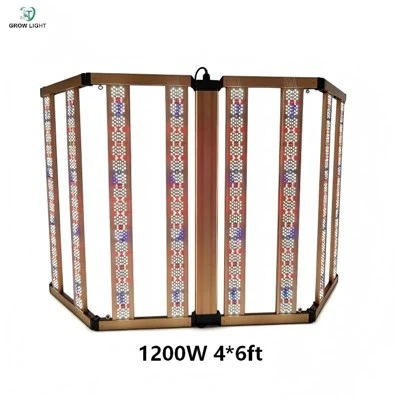
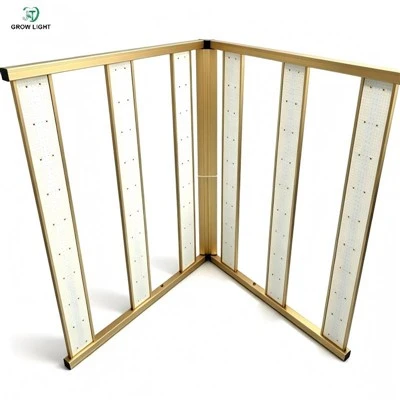
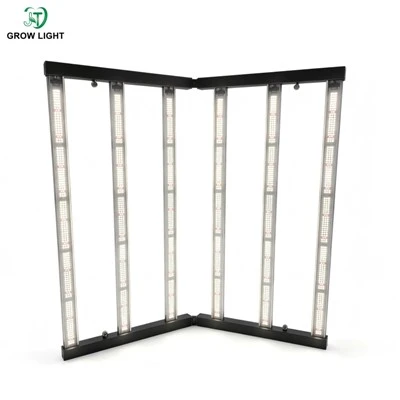
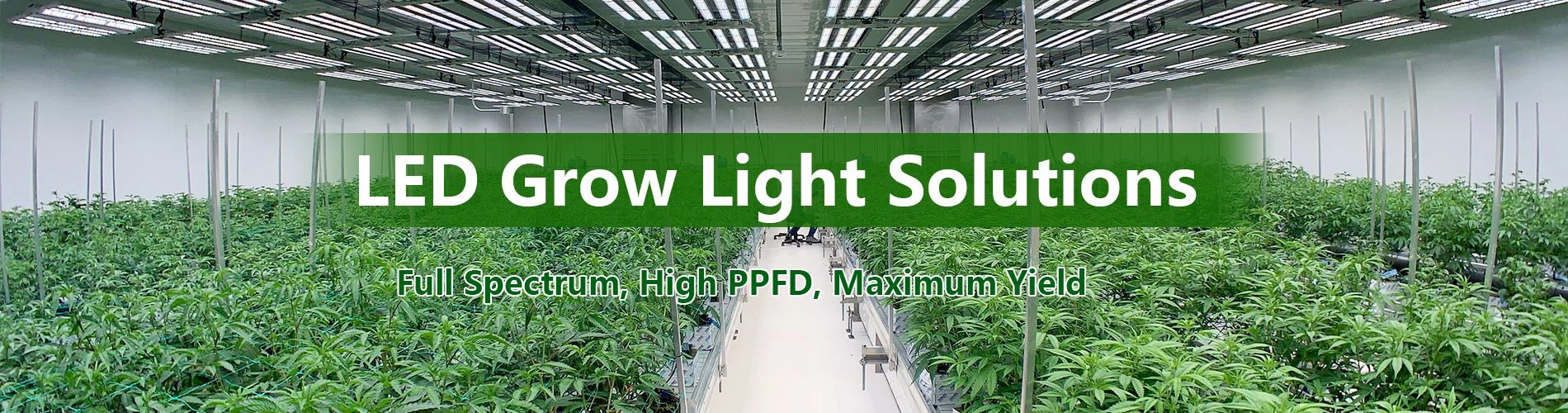
Grow lights that shed light beneath the plant canopy are called undercanopy grow lights. Usually employed in high-density plant growth conditions as vertical farms, greenhouses, or indoor growing systems to guarantee enough light for the bottom leaves of the plant, they Under Canopy Grow Lights' effects on photosynthesis in plants follow a few points:
1. Encourages photosynthesis in the lower leaves
The higher leaves of a plant often block a lot of natural light or top-dressing circumstances, preventing the lower leaves from getting enough light. Under Canopy Grow Light directly supplies light to the lower leaves, triggering photosynthesis in these plants and optimizing the total energy use.
2. Enhanced PAR-Photosynthetic Efficiency
Under canopy Grow Light usually emits particular wavelengths-red and blue-light has the major wavelengths needed for plant photosynthesis. Precise matching of the spectrum helps to maximize the photosynthesis rate and most effectively convert light energy into chemical form.
3. Lowers photoinhibition and photo-oxidative damage
Lower leaves are light-starved, but top leaves may suffer from photoinhibition or photo-oxidative damage in high light. While giving the lower leaves the correct quantity of light to preserve stable photosynthesis, Under Canopy Grow Light's supplemental light balances light distribution, therefore helping to avoid light oversaturation.
4. Greater Carbon Assimilation
Additionally, photosynthetic-generated products from the lower leaves can be transferred to other areas of the plant and help contribute to general carbon absorption, which increases plant development and yields.
Controlling plant form under a canopy growth is important. Light also influences photomorphogenesis. Optimizing light exposure helps prevent plant expansion and encourages a more compact plant form. It also raises leaf thickness and chlorophyll content, therefore improving photosynthesis.
Developing a spectral allocation program
The spectrum should be rather matched, and generally includes the following main wavelengths, based on the needs and growth stage of the plant:
🔹Red light with 600–700 nm
Improve photosynthesis efficiency, hence fostering plant development and flowering.
recommended percentage: 50% to 60%.
🔹Blue light (400–500 nm)
Promote chlorophyll production; control plant shape; stop development.
Recommended range: 10% to 20%.
🔹Far-red light (700–750 nm)
Promote stem elongation; control photoperiod to increase fruit output.
During flowering and fruiting, the recommended proportion is 5–10%.
🔹Greenlight ranging from 500 to 600 nm
Increase the penetrating power so the light may reach the lower leaves and support the lower part of the canopy photosynthesis.
recommended percentage range: 10 to 15%.
🔹White (full spectrum) light
Function: Provides balanced light, simulating natural light, so promoting general plant development.
As a supplementary light, the advised proportion is 10–20%.
Light Spectrum Recommendations for Different Growth Stages
|
Growth Stage |
Red Light (%) |
Blue Light (%) |
Far Red Light (%) |
Green Light (%) |
White Light (%) |
|
Germination Stage |
30-40 |
40-50 |
0-5 |
5-10 |
10 |
|
Vegetative Stage |
40-50 |
30-40 |
0-5 |
10-15 |
5-10 |
|
Flowering Stage |
50-60 |
20-30 |
5-10 |
10-15 |
5-10 |
|
Fruiting Stage |
55-65 |
10-20 |
5-10 |
10-15 |
5-10 |
Techniques for Maximising the Use of Under Canopy Grow Brightness
Light Intensity Management
Check that light intensity is 100–300 µmol/m²/s to the lower canopy leaves using PPFD (Photosynthetic Photon Flux Density).
Change in line with plant kind and light saturation point.
Managing photoperiod
During the nutritional growth period, keep 16–18 hours of light; cut back to match the natural day/night cycle during flowering. Use timers to regulate the light to maximize energy use and growth.
Evenly distribute light
Ensure Under Canopy Grow Light fixtures are evenly spaced to prevent too-light areas or shadows. To increase light coverage, reflect materials or angle the fixture.
Temperature and humidity control
Under Canopy Light raises local temperatures, so, it is advisable to keep humidity of 50–70% and an ambient temperature of 20–28°C intact. Prevent overheating using a fan or ventilation system.
Dynamic Range Correction of Spectrum
Use adjustable spectra LED grow lights to change the spectral ratios according to the plants' real-time needs and status. For instance, blue light should be boosted during the period of nutritional growth and far-red light during flowering.
Summarize
Modern fine farming has a revolutionary invention under Canopy Grow Light. Solving the issue of unequal light distribution will help the lighting system to raise agricultural output, enhance photosynthetic efficiency, and support good development. Under-canopy fill light systems are a crucial component of modern agriculture's success whether in greenhouses, vertical farms, hemp growing, or hydroponics systems.
Many European and American farmers use JT Grow Light because of its waterproof design, fast connecting technologies, great safety, linear lighting structure, and other characteristics. The reliability and efficiency of the system are quite outstanding. Guaranteeing the best lighting conditions for crops will help to maximize returns and productivity.