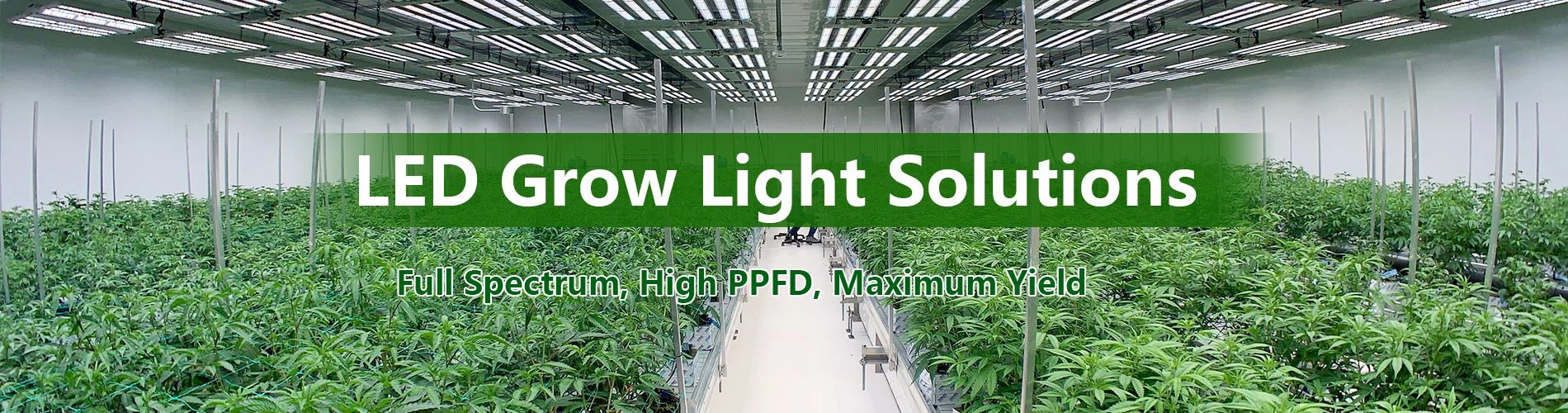
In greenhouses and indoor farming, the most familiar source of light is, of course, the top lighting. It's strong, it spreads widely, and honestly, it's the backbone of the entire system. But here's something a lot of people don't pay much attention to: what's really going on with the lower leaves? Are they even participating in photosynthesis at all?
When I talk to growers, I often hear the same thing: "The further down the leaves are, the quicker they turn yellow." And that's not just a coincidence-it's a sign of light deficiency in the lower canopy. By the time the top lighting penetrates through the upper leaves, most of that energy has already been absorbed. Down below, what's left might be only 20–30% of the original intensity. Over time, those shaded leaves become a "blind spot"-they can't photosynthesize properly, and eventually they age prematurely and drop.
So, what kind of impact does this lower-canopy light shortage have on flowering, fruit quality, and final yields? Let's break it down step by step.

1. Lower Canopy Light and Flowering
The flowering stage is critical-it determines whether a crop can step into a high-yield phase. And both the light signals and the energy supply are tightly connected to this process.
Flower bud initiation: When the lower leaves lack light, they produce less sugar. That shortage often leads to weaker flower buds, smaller in size, sometimes even "empty flowers" with no reproductive potential.
Flowering uniformity: Lower buds tend to develop unevenly-some are ahead, others lag. That means flowers won't bloom all at once, and the fruiting stage gets staggered. For commercial growers who rely on synchronized harvests, this is a serious headache.
Energy distribution: The plant naturally prioritizes resources for the upper canopy-the leaves, which are bathed in strong light. The lower flower buds are left as "second-class citizens," and their development is limited.
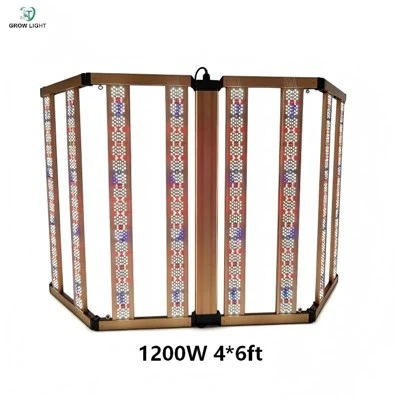
Now, here's where Under Canopy Lights for Indoor Farming really shine. By adding consistent light to the middle and lower parts of the crop, these fixtures prevent flower buds from being weakened due to a lack of energy.
2. Lower Canopy Light and Fruit Quality
When it comes to fruit quality, two things stand out immediately: taste and appearance. And both are heavily influenced by how much light reaches the canopy layers.
Sugar content and flavor: Fruit enlargement and sugar accumulation rely on steady supplies of photosynthates. Fruits shaded in the lower canopy often suffer from low sugar levels, tasting bland or watery.
Color and nutrients: Adequate light boosts the synthesis of anthocyanins and carotenoids, compounds that not only enhance the fruit's color but also increase its nutritional value. Without light, fruits look dull, pale, and less appealing on the shelf.
Fruit structure: Poor light penetration may cause fruits to develop softer tissues, making them more prone to disease and reducing shelf life.
One of our customers in Canada tried JT's 4ft under canopy grow lights on tomatoes, and the results were pretty striking: fruits developed with more uniform color, and sugar levels measured over 1% higher compared to the control group. Now, that might not sound like much at first, but when you're selling by the ton, that's a very real bump in profit.

3. Lower Canopy Light and Overall Yields
Here's the bottom line: increasing yield is essentially about expanding the effective photosynthetic area.
Delaying leaf senescence: Without light, lower leaves quickly yellow and fall off-basically "retiring early." By adding a full-spectrum under-canopy grow light, these leaves keep photosynthesizing and contributing energy to the plant.
Better fruit set: With supplemental lighting, lower flowers and fruits receive the energy they need, reducing premature fruit drop.
Higher yields overall: Multiple studies have shown that in crops like cannabis and tomatoes, under canopy lighting can raise yields by 20–30%.
And in commercial production, that margin is no joke. It more than covers the extra energy cost of the lights and pushes profits upward. To give a simple example, a 150-watt under-canopy grow light doesn't consume much power compared to top lighting, but the return it brings across a single harvest cycle can be several times its energy cost.
4. Practical Tips from Experience
When growers try under canopy lighting for the first time, I usually get the same set of questions: How bright should it be? How low should I hang it?
Based on both my trials and customer feedback, here are a few practical rules of thumb:
Mounting height: Position the lights in the mid-to-lower canopy, about 20–30 cm from the main stem. This distance ensures effective coverage while avoiding heat stress or leaf burn.
Light intensity: There's no need to match the strength of your top lights. A general rule is that around 30% of the top lighting intensity is efficient and energy-saving.
Spectrum choice: For under canopy LED light strips, red light is particularly important, but mixing in some blue and white ensures healthier leaf morphology and avoids excessive stretching.

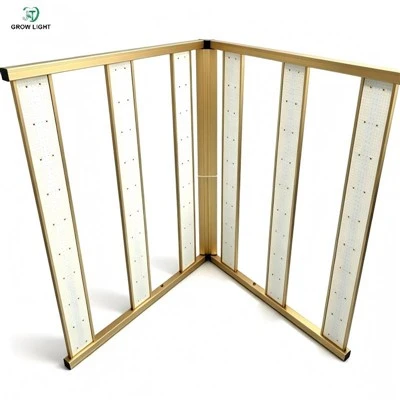
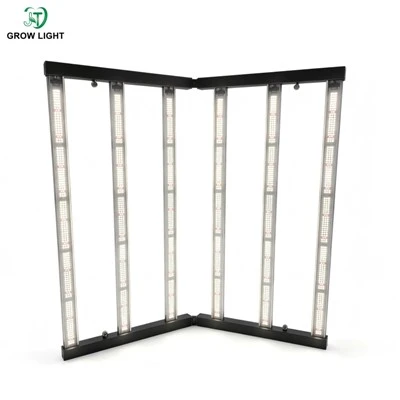
Here's where JT Grow Light's upgraded three-sided under canopy grow lights make a real difference. With a 240° wide-beam design, they deliver near wrap-around coverage, eliminating the "shadow zones" left behind by traditional one-sided fixtures. For tall crops like cannabis, cucumbers, and tomatoes, this is a game-changer. If you're looking to push yield and quality further, this kind of full-spectrum under-canopy grow light is worth serious consideration.