As an emerging planting technology, hydroponic farming has the advantages of short growth cycles, high yield, good quality, and environmental protection, so it has broad application prospects in many fields.
Home gardening and balcony planting
With the improvement of people's living standards, more and more people have begun to pay attention to home gardening and balcony planting. As a simple and easy planting method, home hydroponics is very suitable for homes and balconies. Through hydroponic technology, various vegetables such as lettuce, spinach, celery, etc. can be grown at home, which not only beautifies the environment but also allows people to enjoy fresh and healthy vegetables. For example, our hydroponic indoor planter, equipped with an automatic water circulation system and LED growth lights, allows growers to easily eat hydroponic vegetables.

Agricultural planting and greenhouses
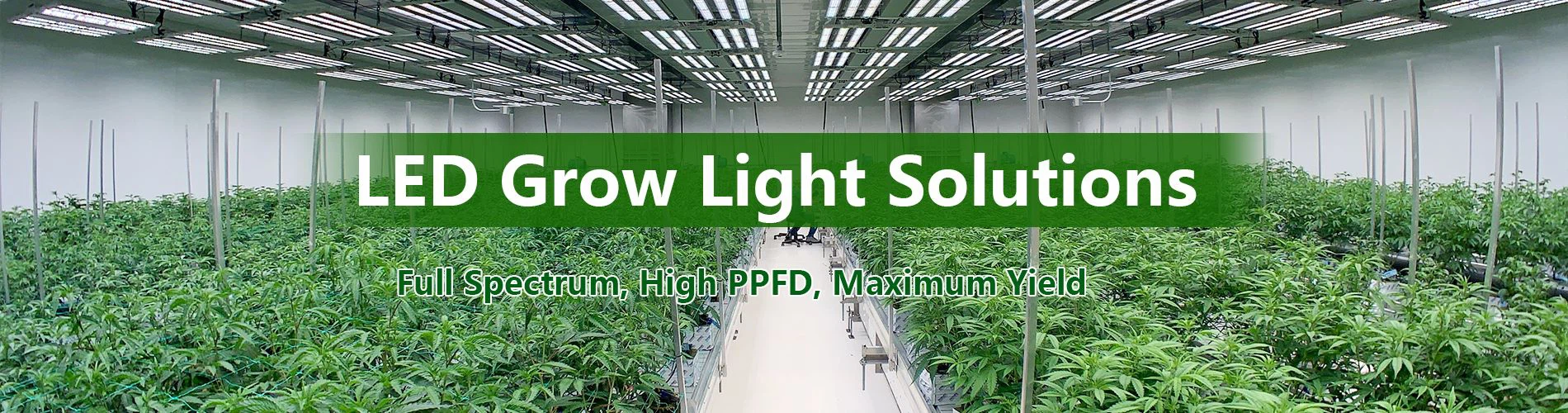
In the field of agricultural planting, vertical hydroponics also has broad application prospects. Traditional soil planting methods are limited by various factors such as land, water sources, and climate, while vertical hydroponics can overcome these limitations and achieve efficient and environmentally friendly planting. In greenhouses, by precisely controlling factors such as light, temperature, and nutrition, hydroponic vegetables can be grown all year round to improve yield and quality.

Catering and food processing industries
Due to their short growth cycle and good quality, hydroponic vegetables are very suitable for making various delicacies. In the catering industry, hydroponic vegetables can be used to make healthier and more delicious dishes to meet the needs of consumers. In the food processing industry, they can be used as raw materials to make various vegetable products, such as kimchi and pickled vegetables.
Ecological restoration and environmental protection
Traditional soil planting methods are prone to soil pollution and water waste, while hydroponic farming can reduce this pollution and waste. Through hydroponic technology, wastewater, rainwater, and other resources can be used for vegetable planting, which not only realizes the recycling of resources but also improves the ecological environment. In addition, hydroponic vegetables can also absorb harmful gases such as carbon dioxide in the air, purify the air, and improve environmental quality.

Education and Popular Science
As an emerging planting technology, hydroponic planting has high educational and popular science value. Through the planting process, people can better understand the principles and processes of plant growth and improve their scientific literacy. At the same time, hydroponic planting can also be used as a practical activity, allowing students to operate it by themselves and cultivate their practical ability and innovative spirit.