LED Runs Cooler Than HPS, and That Changes Everything
For decades, greenhouse growers leaned on high-pressure sodium (HPS) lamps. Those lamps work, but they throw off enormous heat, which is the last thing you want to add to an already hot greenhouse.
LED fixtures change the math. They convert far more of their energy into useful light and far less into waste heat. Industry comparisons put HPS at roughly 30 percent of energy turned into light, while LED reaches around 50 percent. The energy savings are well documented:
· A Greenhouse Energy Profile Study published by Ontario's Independent Electricity System Operator found LED grow lights can use 35 to 55 percent less energy than HPS.
· A Wageningen University study reported in Applied Energy found LEDs used about 44 percent less energy than HPS, with overall greenhouse energy savings of 10 to 25 percent even after accounting for heating.
· The U.S. Department of Energy has cited LED horticultural lighting as roughly 50 percent more efficient than traditional HID lamps.
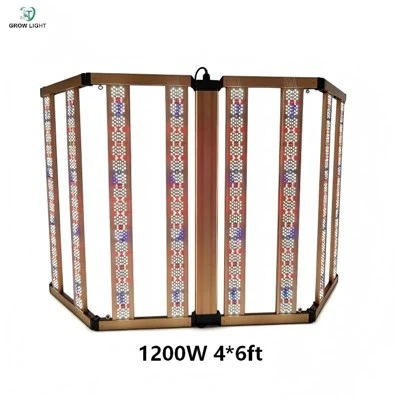
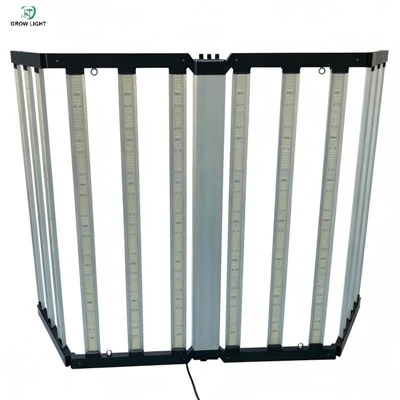
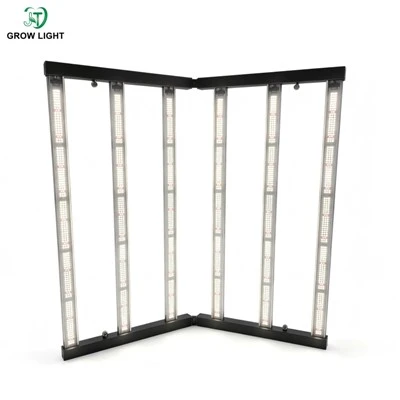
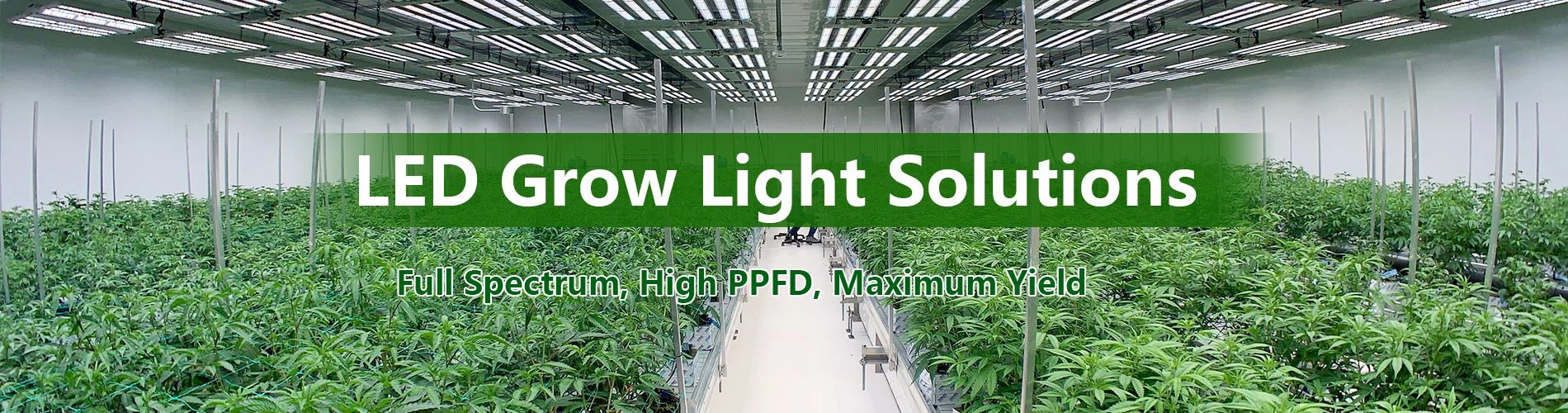
Less waste heat means a cooler canopy, less strain on your cooling and ventilation, and fixtures that can sit closer to the plants. For a hot greenhouse, choosing quality Commercial LED Grow Lights is not just an efficiency play, it directly reduces the heat load you have to fight all summer.
LED Runs Cooler Than HPS, and That Changes Everything
Cooler running is only half the battle. The fixture also has to keep moisture out, and that comes down to its ingress protection rating and its materials.
The IP rating tells you how sealed a light is. For a damp greenhouse or a hydroponic rack, look for fixtures rated IP65 or higher, which means they are dust-tight and protected against water jets and heavy condensation. Slim T8 Plant Grow Light tubes designed for vertical farms are now commonly offered with IP65 sealing precisely so they can live on humid grow racks without failing.
Beyond the rating, check the build:
· Sealed, potted electronics that keep moisture away from live components.
· Corrosion-resistant housings and hardware, since standard steel rusts fast in a greenhouse.
· Quality gaskets and end caps on tube-style fixtures, where water usually sneaks in.
· A thermal design that still sheds heat even while sealed, so the unit does not cook itself.
A light that is both well sealed and well cooled is the combination you are paying for. One without the other will let you down.
Thermal Management in Hot Conditions
Even an efficient LED generates some heat, and how a fixture handles that heat decides how long it lasts. Electronics age faster the hotter they run, so a fixture with a proper heat sink and sensible design will hold its output and its lifespan far better in a warm greenhouse.
This is also where lifespan claims get real. Quality horticultural LEDs are often rated around 50,000 hours, with some reaching 70,000, compared with roughly 20,000 hours for HPS. But those numbers assume the fixture is kept within its temperature limits. A cheap light running hot in a greenhouse will never reach its rated life, which is why thermal design is not a detail to skip.
Standards and Certifications to Look For
When you are buying lighting that has to survive a harsh environment, certifications are your proof that the claims are real. Before you commit, confirm the fixtures carry:
· An IP65 or higher rating verified for the wet sections of your operation.
· Regional safety and compliance marks such as CE, ETL, or UL, plus RoHS and FCC where relevant.
· Documented operating temperature and humidity ranges.
· A clear warranty that covers the conditions you will actually use them in.
A reputable manufacturer or supplier will provide this paperwork up front. If a greenhouse light has no stated IP rating, treat that as a warning sign, not an oversight.
Case StudyA Greenhouse Installation by Sunhing Stones
For one humid greenhouse project, the Sunhing Stones team supplied sealed LED fixtures to replace an aging HPS setup that was adding too much heat and failing in the moisture. [Replace this section with your real figures: the greenhouse size and crop, the IP rating of the fixtures used, the measured energy reduction, and how the lights held up over time. For example: "Over the first 12 months, the grower recorded X percent lower lighting energy use and zero moisture-related failures across N fixtures."]
Specific, real numbers here are what make the story believable to other growers and useful for search. Keep it factual.
F A Q
Q: Are LED grow lights waterproof?
A: Better ones are sealed for damp conditions, but not all are, so check the IP rating. For a humid greenhouse or hydroponic rack, choose fixtures rated IP65 or higher, which resist heavy moisture and water jets. A light with no stated IP rating is not built for wet environments.
Q: What IP rating do I need for a greenhouse?
A: IP65 is a sensible minimum for most greenhouse and vertical-farm conditions, since it means dust-tight and protected against water jets. For areas with direct spraying or wash-downs, consider going higher.
Q: Do LED grow lights overheat in hot climates?
A: Quality fixtures with proper heat sinks handle heat well, and because LEDs waste far less energy as heat than HPS, they add less warmth to the greenhouse in the first place. Cheap lights without good thermal design are the ones that struggle.
Q: Are LED or HPS better for a humid, hot greenhouse?
A: For most modern operations, LED. It runs much cooler, uses 35 to 55 percent less energy by published studies, lasts longer, and is available in sealed, humidity-ready designs. HPS still has a place, but it fights you on heat.
Talk to Us About Your Greenhouse Conditions
Every greenhouse is different, so the right fixture depends on your climate, your crop, and how wet your space really gets. Tell us your greenhouse size, your environment, and the crop you are growing, and we will recommend properly sealed, efficient fixtures rated for those conditions, with the certifications to back it up. We are happy to send samples so you can prove them out before scaling up.