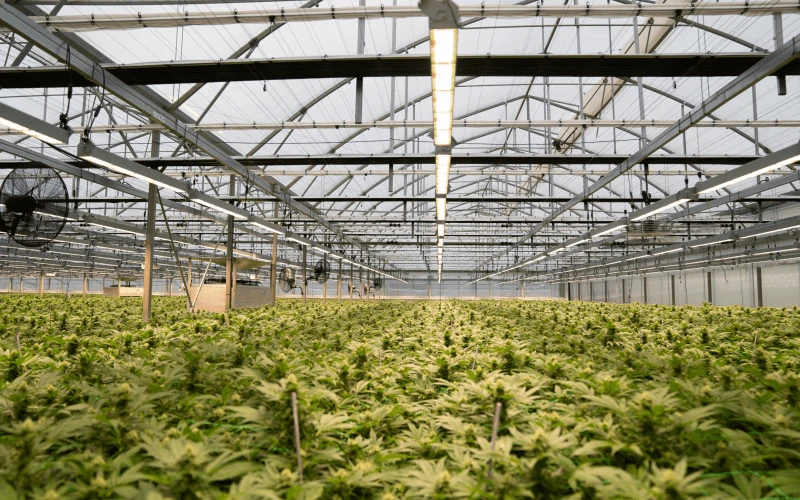
When winter comes, greenhouse producers in the US and Europe have a problem: there isn't enough light. In the winter, when the days are short and the light is feeble, it makes it harder for crops to photosynthesise, which lowers their quality and yields. More and more producers are employing LED development lights for greenhouses and greenhouse supplemental lighting solutions to ensure that their crops develop steadily even in the winter. They use efficient LED top lighting systems to add light and keep greenhouse production going all year.
How does low winter light affect crops?
From December to February, greenhouse light levels are generally only 30% to 50% of what crops need for photosynthesis. It won't help much to rely solely on natural light, even with greenhouse heating. In places with little light, crops are likely to:
Leaves that are thin and yellow, and grow slowly
The plant exhibits long branches and leaves, resulting in a loose form.
Prevented flower bud differentiation, which led to poorer yields
Insufficient nutrient accumulation results in low quality.
LED systems with high PPE
PPE (photosynthetic photon efficiency, μmol/J) use less electricity to make more effective photons. This is a cost-effective way to save energy and boost yields in commercial greenhouses in Europe and the US.
A spectrum that can be changed
Modern LED lights can have full or customisable spectral ranges. When there isn't much light in the winter, boosting the amount of red and blue light in the right way keeps photosynthesis going, helps plants grow more compactly, and makes the fruit's colour better.
Exact Control of the Photoperiod
Supplemental greenhouse lighting can be used to lengthen the daylight hours (16–18 hours/day) during the short winter days. Such an arrangement will keep photosynthesis going and stop growth that is limited by light.
Lighting that is the same
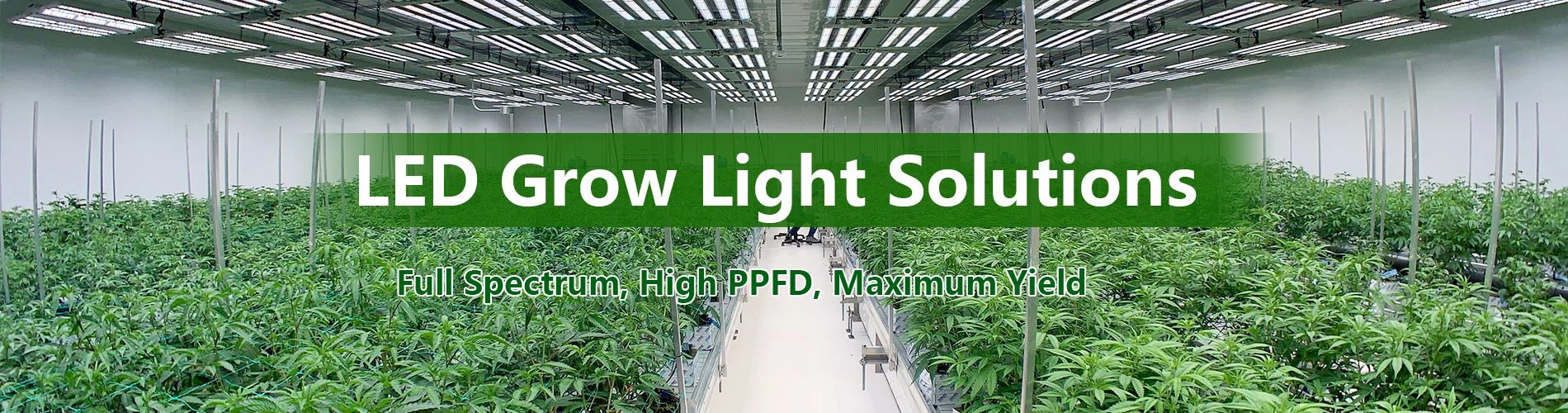
LED top lights are usually set up in strips or matrices, which makes the light spread evenly, cuts down on shadows and dark spots, and makes sure that crops develop more uniformly throughout the greenhouse.
Benefits of Using LED Top Lighting in Greenhouses in the Winter
LED top lights made just for greenhouses can mimic sunlight. They give crops more light and help them absorb it better by changing the spectrum. Some of the benefits are:
Ways to Light a Greenhouse in the Winter
To address the low light levels that European and American greenhouses receive in the winter, it is very important to apply scientific lighting arrangements and management methods:
This includes measuring the amount of light available and assessing its coverage.
For leafy vegetables, the normal PPFD is 150–250 μmol/m²/s, and for fruiting vegetables, it is 250–400 μmol/m²/s.
LED strips are put between the rows of crops so that both the top and bottom leaves receive light. This ensures the lower layers get enough light for photosynthesis.
Combinations of Spectra
Blue light (450–470 nm): Increases leaf thickness and stomatal function, which makes photosynthesis work better.
Red light (620–660 nm): speeds up photosynthesis, which helps flowers and fruit grow.
A little bit of far-red light (730 nm) helps plants stay the right height by stopping them from getting too long.
This lets producers change the light spectrum as the crop grows, making sure that every bit of light is used well.
Producers must manage both the duration that the lights are on and the photoperiod.
Fruiting vegetables need 14 to 16 hours of light each day, while leafy greens need 16 to 18 hours.
Controlling both the intensity of light and the length of time it is on prevents too much photoinhibition and saves energy.
Design a system for temperature control and heat removal.
High-percentile-equivalent (PPE) LEDs are very efficient, but they also create heat.
To avoid localised overheating and ensure that LEDs last a long time and work well, toplighting should be coordinated with greenhouse ventilation and heat dissipation.
How to Use JT Grow Lights in Greenhouses in the Winter
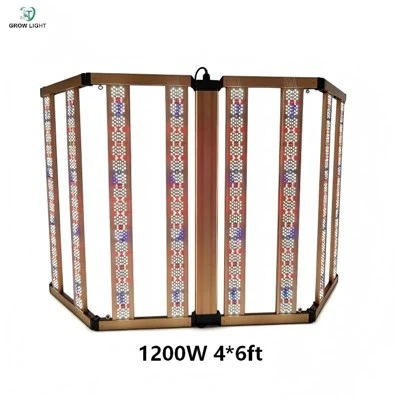
When it comes to commercial greenhouses, it's critical to choose steady LED lighting. For instance, JT Grow Light's greenhouse LED fill lights are perfect for usage in the winter:
They give off enough photons even in low-light settings, which makes photosynthesis more efficient. Their high PPE of 2.8–3.4 μmol/J helps with this.
The full-spectrum tunable red-to-blue ratios work for different crops and phases of growth, and the spectrum may be changed.
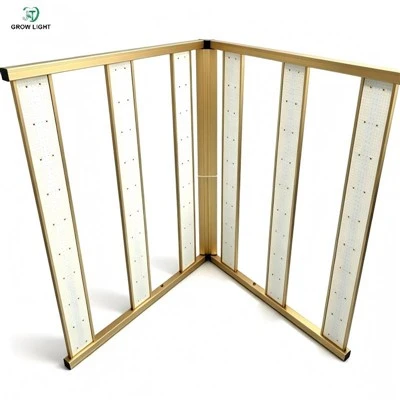
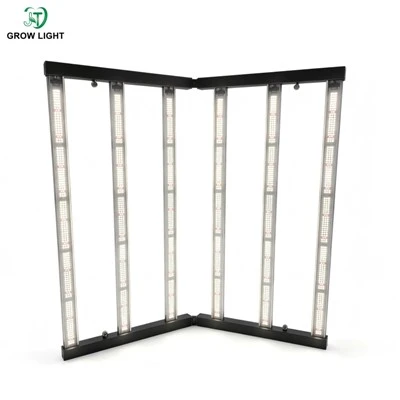
The modular strip design lets you change the configuration and makes sure that the lighting is even throughout the greenhouse.
The smart control system changes the length, intensity, and spectrum of the light automatically to fit the changing light conditions in the winter.
Even in the winter, this approach makes sure that crops develop steadily, produce high-quality fruit, and have a good yield.

Strategies for Toplighting and Economic Benefits
Even though high-PPE LEDs cost more up front, they have considerable benefits in the long run:
Saving energy: more effective photons per kilowatt-hour, which lowers the cost of power.
Increase in Yield: Uniform light with the right spectrum can boost yield by 5% to 20%.
Stable Quality: Less yellowing of the leaves and stretching of the plants to guarantee that the fruit always tastes and looks the same.
Sustainable Management: Smart regulation of the photoperiod and intensity makes it easier to operate a greenhouse.
Summary
The major problem for greenhouses in the winter is that they don't get enough light. However, crops can still develop steadily with properly placed toplights, high-PPE greenhouse LEDs, and other lighting techniques. You can simply boost your return on investment by using an effective, reliable, and smartly regulated LED toplighting system like JT Grow Light. This will help you grow green vegetables, fruiting vegetables, or high-value crops, even in the winter.