Traditional agricultural production relies on sunlight and soil. However, natural disasters such as floods and droughts can significantly reduce crop yields. Is there a method that can ensure stable and continuous food production? This is where plant factories come in.
What is a Plant Factory?
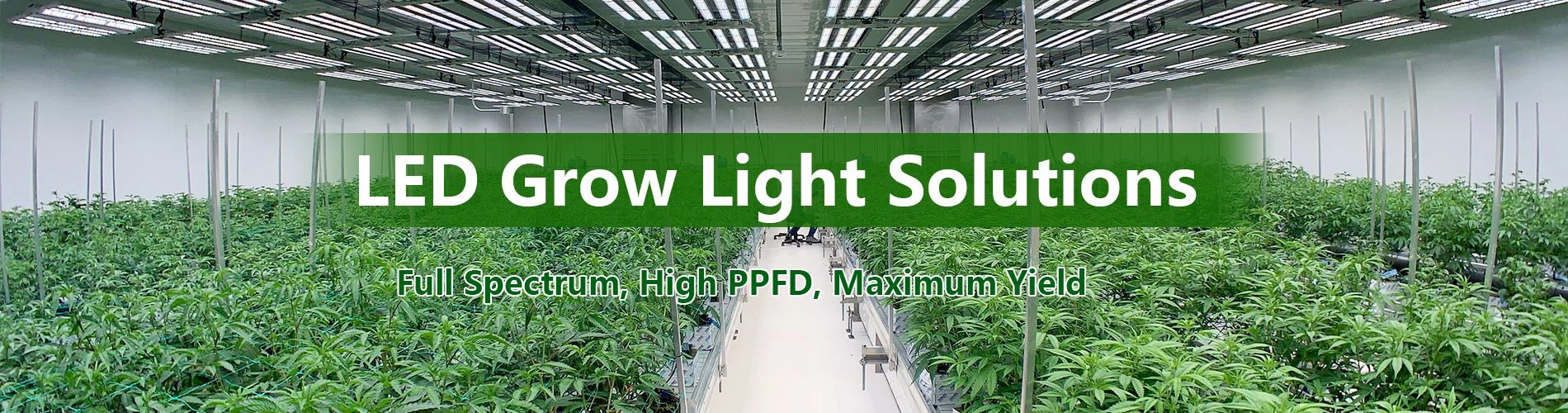
A plant factory is a system that produces plants in a completely controlled environment, without the need for soil, pesticides, or exposure to natural environmental conditions. It simulates the necessary elements for plant growth, such as light, temperature, and nutrients. Plant factories are considered a revolutionary approach to traditional farming and represent the future direction of agricultural development.

Plant factories require three core elements:
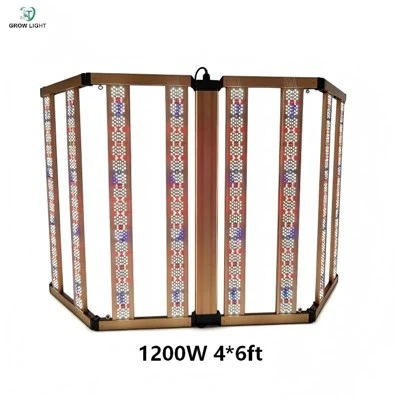
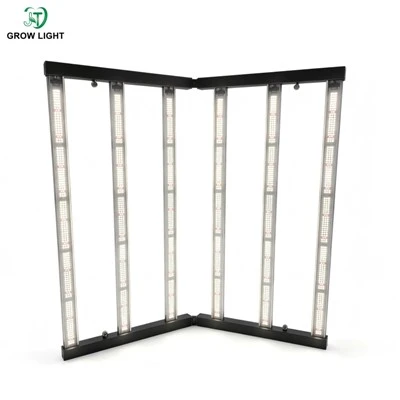
1. LED grow light sources to replace sunlight and nutrient solutions to replace soil.
2. A controlled environment with regulated temperature, humidity, and carbon dioxide levels.
3. Intelligent equipment to manage the cultivation process.
The process begins with seeds being sown in a perforated tray. After two to three days of germination, the seeds sprout into small seedlings, which are then transferred to a nursery for 12-14 days. Once the seedlings are ready, they are planted in cultivation trays and moved to the cultivation area. After 20-22 days of growth, when the lettuce reaches a weight of 100-120 grams, it is harvested, packaged, and delivered to the market.
Due to high construction and operational costs, plant factories primarily cultivate high-value, short-stature crops such as leafy greens, fruit vegetables, fruit trees, edible flowers, and medicinal plants. Seasonal crops like strawberries and blueberries can be produced year-round in plant factories.
Benefits and Market Opportunities
As an advanced stage of facility agriculture, plant factories can significantly contribute to the food supply and serve as a means for farmers to increase their income and revitalize the industry.
Plant factories, as a novel agricultural production method, utilize advanced technology to cultivate plants in indoor environments, achieving efficient, high-yield, and high-quality agricultural production. With increasing concerns about health, safety, and environmental issues, plant factories are gaining attention for their market potential and opportunities.
1. Plant factories overcome limitations posed by climate, soil, and water resources by controlling environmental factors indoors, allowing for year-round production. They also reduce reliance on land and water resources, preventing pollution and waste, thus promoting sustainable development.
2. Plants in a plant factory grow in a clean, pest-free, and disease-free environment, reducing the need for pesticides and fertilizers and improving product quality and safety. Stable environmental conditions enable efficient and high-yield production, enhancing market competitiveness.
3. As people increasingly focus on health and environmental issues, the demand for fresh, healthy, and organic produce grows. Plant factories can meet this demand by producing uncontaminated, pest-free, and disease-free agricultural products.
With accelerating urbanization, urban agriculture is gaining more attention. Plant factories can be established in urban areas to provide fresh, healthy, and organic produce to city dwellers, offering new opportunities for urban agricultural development.

Future Development Trends
1.The continuous upgrade of modern technology will accelerate the automation and intelligence of plant factories, improving production efficiency and quality. Beyond vegetables and fruits, plant factories will expand into fields like medicinal herbs and flowers, achieving more diversified production.
2. With the growing global population and rapid urbanization, traditional agricultural methods cannot meet the increasing demand. Plant factories, as an emerging agricultural production method, will become an integral part of future agriculture, providing safe, healthy, and high-quality products.
In summary, the development trend of plant factories will move towards increased intelligence, scale, and diversification, becoming a crucial part of future agricultural production. With ongoing technological advancements and evolving market demands, plant factories will represent a significant innovation and development direction in agriculture.