
For the modern commercial grower, the ultimate challenge of indoor strawberry cultivation isn't just about plant health-it's about the sensory experience. Anyone can grow a strawberry that looks the part, but growing one that tastes like a sun-ripened summer berry inside a climate-controlled facility is a feat of engineering. I've visited numerous vertical farms where the strawberries were structurally perfect but lacked the "aroma and sweetness" expected by premium consumers. This flavor gap is almost always a result of an incomplete light environment.
In a vertical farming setup utilizing Grow racks, the plant is entirely dependent on your choice of photons. To move beyond "watery" fruit, you must understand that light isn't just fuel for growth; it's a chemical trigger. This is where the precision of the full spectrum LED grow light tube becomes an essential tool for flavor development. Unlike standard lighting, a horticultural-grade tube allows us to manipulate the plant's secondary metabolism to concentrate sugars and develop deep, complex flavors.
As an engineer, I look at a strawberry as a biological storage tank for carbohydrates. The "sweetness" of a berry is measured by its Brix level-the percentage of soluble solids (mostly sugars) in the juice. In nature, the sun provides a dynamic spectrum that tells the strawberry when to stop growing leaves and start pumping sugar into the fruit.
In the confined spaces of Grow racks, a high-quality full spectrum LED grow light tube must mimic this biological signaling. We've found that a specific ratio of Blue light (450nm) combined with Deep Red (660nm) and a strategic touch of Far-Red (730nm) is the key. Blue light triggers the production of anthocyanins, the pigments responsible for that deep red color, while the Red/Far-Red ratio influences the translocation of photosynthates.
At JTGL, our spectral testing has shown that plants grown under our specialized strawberry spectrum show a 15-20% increase in Brix levels compared to generic white LEDs. By engineering the light to provide the exact "stress signals" the plant needs, we force the strawberry to prioritize sugar accumulation, resulting in a berry that isn't just red on the outside but sweet to the core.


Managing the "Thermal Load" in Multi-Tier Racks
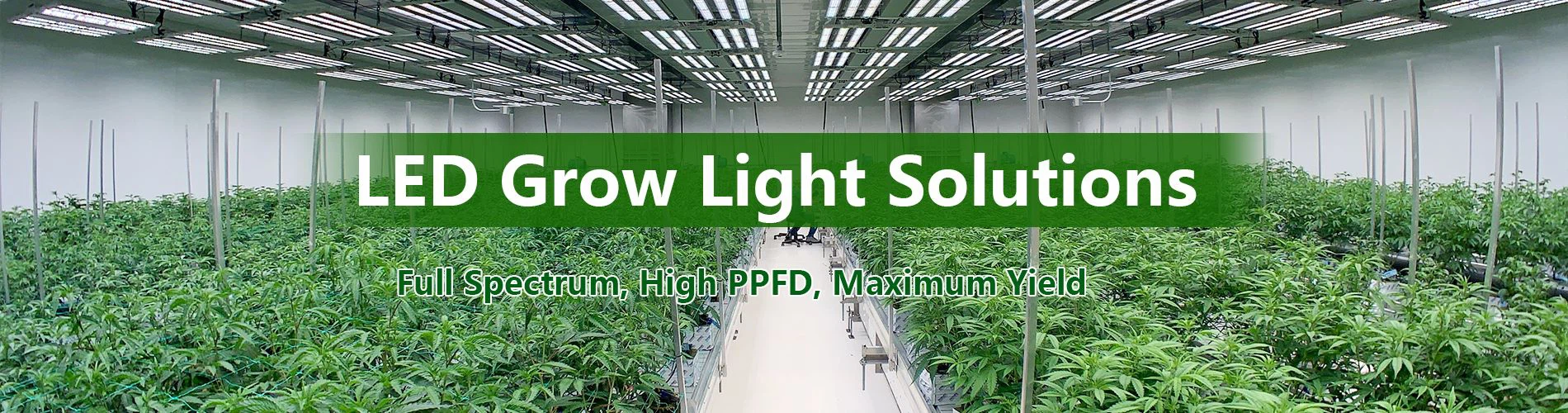
Strawberry plants are notoriously sensitive to temperature, especially during the fruiting stage. If the leaf temperature rises too high, the plant's respiration rate increases, causing it to "burn up" the sugars it just produced. In a dense setup with five or six Grow racks stacked on top of each other, heat management is the silent enemy of flavor.
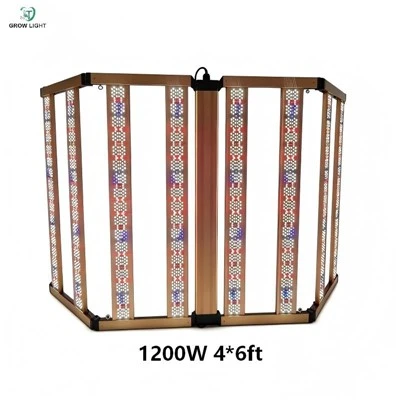
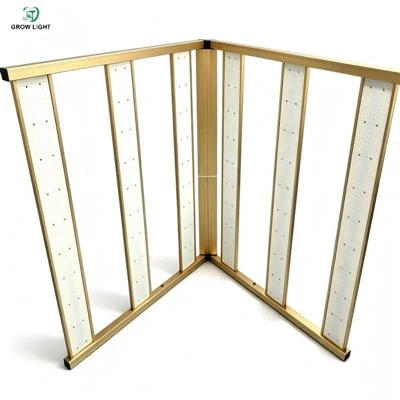
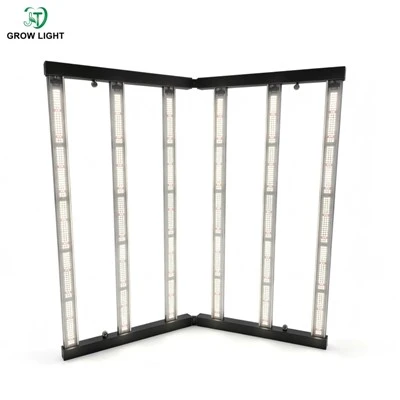
Traditional LED grow light bar systems, while powerful, often create localized "hot spots" due to their concentrated wattage. For strawberries, this heat can soften the fruit, reducing its shelf life and dulling its flavor. The engineering advantage of 40W Linear LED Grow Light Bar lies in its linear heat dissipation. By spreading the diodes over a 1.2-meter aluminum housing, we maintain a much lower surface temperature.
This allow the lights to be placed closer to the plants without "cooking" the berries. Maintaining a cool canopy temperature (ideally 18-22°C during the day) ensures that the sugars remain in the fruit, keeping them crisp and flavorful. As an engineer, my goal is to provide the photons without the thermal baggage that ruins fruit quality.
Overcoming the "Shadow Side" of the Berry
One of the biggest complaints from commercial strawberry growers is uneven ripening. Because strawberries typically hang over the edge of the gutters or trays in Grow racks, they often have a "white shoulder" or a pale side where the light failed to reach. This uneven coloring is a sign of uneven flavor distribution.
The slim, low-profile nature of the LED grow lights tube allows for creative positioning that a bulky bar cannot achieve. By installing a primary tube overhead and potentially a secondary "side-booster" tube along the edge of the rack, you can achieve 360-degree light coverage. This "wrap-around" lighting ensures that anthocyanin production happens uniformly across the entire fruit surface. When a berry is colored perfectly on all sides, it's a visual indicator to the consumer of a high-quality, high-sugar product.
The Role of Photoperiod and Intensity Gradation
Engineering a successful strawberry harvest also requires managing the "Light Sum" or DLI (Daily Light Integral). Strawberries are sensitive to day length, and providing too much or too little light at the wrong stage can lead to "flower abortion" or vegetative overgrowth.
Modern LED tube grow lights offer the modularity needed to adjust this intensity. In a large-scale facility, we often recommend a "Zoned Lighting" approach. As the strawberry moves from the vegetative stage to flowering and then to fruiting, the light intensity can be increased by simply adding another LED grow lights tube to the modular clips on the Grow racks. This allows the grower to ramp up the energy precisely when the plant needs it most-during the final ripening phase when the "flavor engine" is running at full speed.
Reducing Humidity-Related Flavor Decay
High humidity is the enemy of strawberry flavor. It leads to soft fruit and increases the risk of grey mold (Botrytis). Bulky lighting fixtures often block the vertical airflow between the tiers of Grow racks, creating pockets of stagnant, humid air.
The slim geometry of our full spectrum LED grow light tube ensures that your facility's ventilation system can work effectively. By allowing air to flow freely between the tubes, you maintain a lower humidity level at the fruit zone. This higher transpiration rate encourages the plant to pull more nutrient-rich water from the roots, which carries the minerals necessary for complex flavor profiles.
Conclusion: Engineering a Premium Harvest
To be a successful strawberry grower in the 21st century, you have to be part biologist and part engineer. You cannot rely on "standard" lighting and expect "premium" results. The relationship between the full spectrum LED grow light tube, the physical layout of your Grow racks, and the specific metabolic needs of the strawberry is what determines your success in the market.
At JTGL, we don't just sell lights; we provide the optical tools needed to craft flavor. By focusing on spectral precision, thermal stability, and geometric flexibility, we help growers move past the "watery berry" problem and into the world of high-Brix, premium-grade production. When you control the light, you control the taste. And in the strawberry business, taste is the only thing that brings the customer back.