In modern agriculture, one equation stands out: "High Light + High CO₂ + Temperature Control = Maximum Yield." But how does this formula translate into real-world results? Let's explore the science, statistics, and implications of this approach in meeting the growing global demand for food and resources.
The Role of High Light in Plant Growth
Light is the fundamental driver of photosynthesis, enabling plants to convert light energy into chemical energy stored in sugars. Research shows that increasing light intensity can boost photosynthetic activity by up to 40% in certain crops. However, balance is key-excessive light can lead to photoinhibition, damaging plant cells.
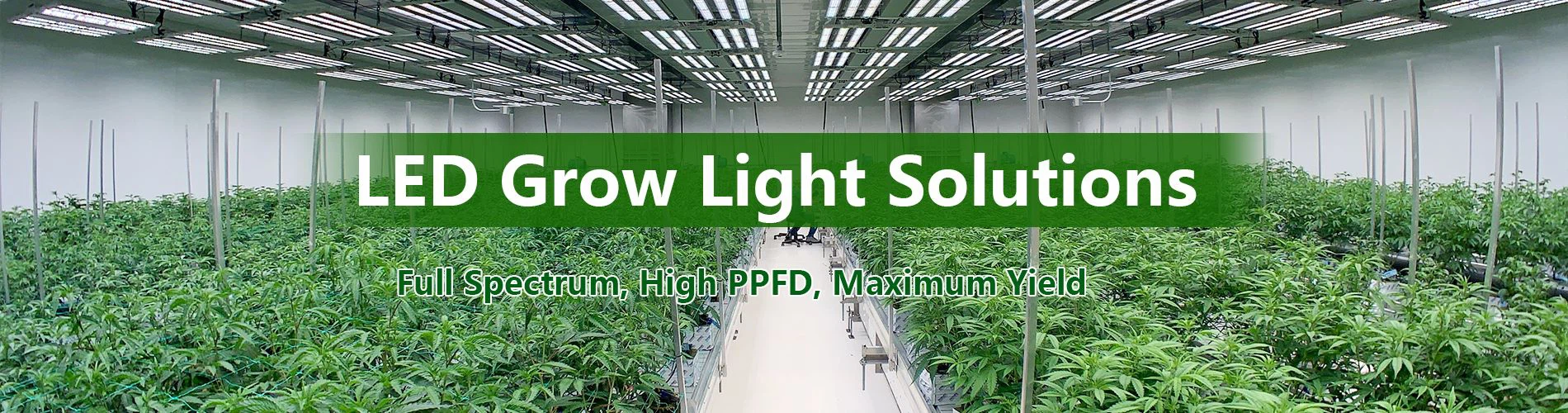
In controlled environments like greenhouses or vertical farms, advanced LED grow lights are tailored to provide the optimal light spectrum and intensity. These systems ensure plants thrive while reducing energy waste. For example, studies indicate that LED lighting can reduce energy consumption by up to 60% compared to traditional lighting systems, making it both effective and sustainable.
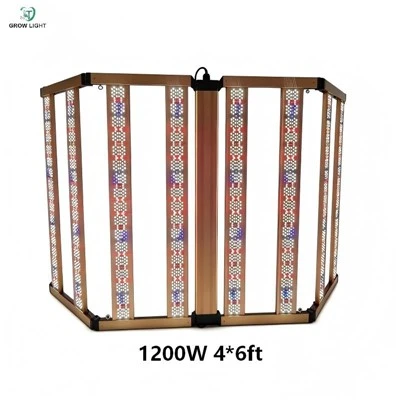
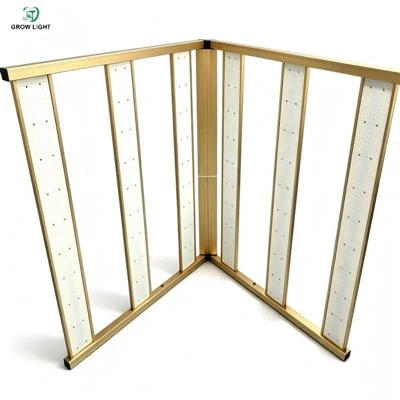
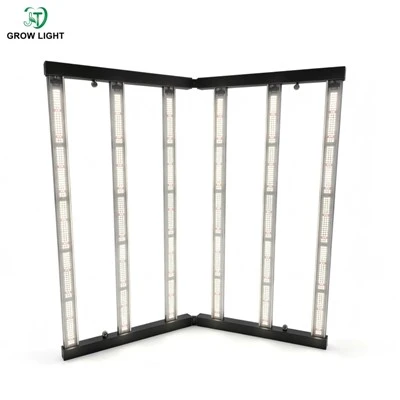
JT is a professional LED grow light manufacturer, dedicated to providing growers with energy-efficient and high-performance lighting solutions. Our lights offer the following advantages:
1) Full-spectrum design for all growth stages
2) High efficiency with lower energy consumption
3) Flexible structure for easy installation and maintenance
4) Excellent heat dissipation for a longer lifespan
5) Customizable spectrum based on your needs
Why High CO₂ Levels Matter
Carbon dioxide (CO₂) is another critical component of photosynthesis. Increasing CO₂ levels in controlled environments can enhance plant growth significantly. According to a study published by the Journal of Experimental Botany, raising CO₂ concentrations to 700 ppm (parts per million) can increase crop yields by 20-30%.
However, precision is essential. While higher CO₂ levels can accelerate growth, excessive concentrations may lead to diminishing returns or harm specific plant species. This is why modern agricultural practices rely on advanced CO₂ monitoring and regulation systems to maintain the ideal balance.
Temperature Control: The Balancing Act
Temperature is the third pillar of the equation. Plants have an optimal temperature range for growth, typically between 20°C and 30°C for most crops. Deviations from this range can cause stress, slow growth, or even damage plants.
For instance, studies show that a 10°C drop below optimal temperatures can reduce photosynthetic efficiency by 50%. Conversely, excessive heat can lead to water loss and reduced yields. Controlled environments use HVAC systems, thermal sensors, and automated climate controls to maintain stable temperatures, ensuring consistent and healthy plant growth.
Practical Applications in Agriculture
This "High Light + High CO₂ + Temperature Control" formula is not just theoretical-it's transforming agriculture worldwide. Vertical farms, for example, are achieving yields up to 10 times higher per square foot compared to traditional farming methods. By stacking crops in layers and utilizing LED lighting, CO₂ enrichment, and precise temperature control, vertical farms are maximizing productivity in urban areas where space is limited.
Greenhouses are also leveraging these principles to extend growing seasons and cultivate crops in regions with harsh climates. According to industry reports, greenhouse agriculture contributes to 20% of global vegetable production, showcasing its role in meeting food demands efficiently.
Challenges and Opportunities
While the benefits are clear, challenges remain. For instance, the initial investment in technology for controlled environments can be high. LED lighting systems, CO₂ monitoring equipment, and climate control technologies require significant capital, which can be a barrier for small-scale farmers.
Energy consumption is another concern. High-intensity lighting and climate control systems are energy-intensive, but advancements in renewable energy and energy-efficient technologies are helping to address this issue. For example, solar-powered greenhouses have reduced operational costs by up to 30% in some regions.
Finally, there's the need for expertise. Operating controlled environment farms requires knowledge of plant science, technology, and data analysis. This underscores the importance of education and training for agricultural professionals.
The Bigger Picture: Sustainability and Food Security
As the global population is expected to reach 9.7 billion by 2050, the pressure on agriculture to produce 70% more food with fewer resources is intensifying. The "High Light + High CO₂ + Temperature Control" approach offers a sustainable solution, increasing yields while improving resource efficiency.
For example, controlled environment agriculture uses 90% less water compared to traditional farming methods, according to the Association for Vertical Farming. This makes it a game-changer in regions facing water scarcity.
What are your thoughts on the future of agriculture and the role of technology in shaping it? Let's discuss!