一,The problem with typical lighting is that it uses a lot of energy, doesn't give off good light, and creates a lot of heat.
High-pressure sodium lamps (HPS) and fluorescent lamps are the main types of light used in greenhouses. However, these light sources have three major problems:
Not very energy efficient: HPS lights only convert around 30% of the electrical energy they use into visible light. The rest of the energy is turned into heat. For example, in Shouguang City, a traditional greenhouse needs an extra 30% of electricity to cool down during the winter while the lights are on, which raises the total cost of energy usage by 45%.
It is not possible to control the spectrum: Fluorescent lamps have a fixed spectrum that doesn't work for all phases of plant growth. For instance, blue light is needed to help tomato seedlings grow roots, and red light is needed to help flower buds grow during flowering. Dynamic adjustment is not possible with traditional light sources.
Thermal radiation interference: HPS lamps can get hotter than 200 degrees Celsius on their surfaces, which can raise the temperature in the greenhouse by 5 to 8 degrees Celsius. This makes it necessary for farmers to turn on ventilation equipment more often, which wastes even more energy.
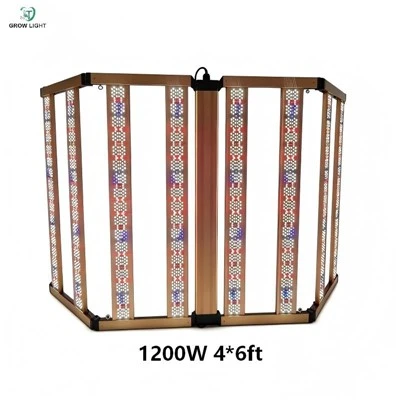
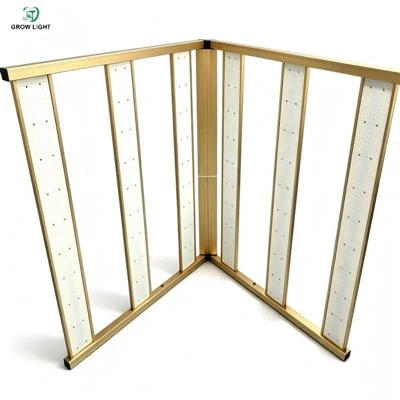
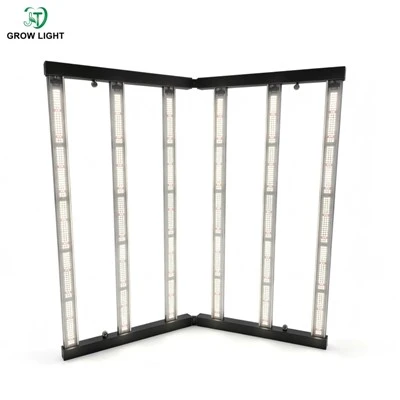
二,LED plant lights are a big step forward in technology since they let you control the light very precisely and save energy.
LED technology is now mature enough to be a game-changer for greenhouse farming. Its main benefits are shown in the following areas:
1. Customising the spectrum: going from "one size fits all" to "on-demand supply" Plant photosynthesis mostly depends on red light (630–660nm) and blue light (450–470nm), however various crops and growth stages have very variable spectral needs. For instance:
For leafy greens like lettuce, the biomass is highest when the red to blue ratio is 7:3. Too much blue light can make them grow too quickly;
Solanaceous fruits, like tomatoes, need more than 60% red light during the fruiting season to help the fruit grow bigger. Adding far red light (730nm) can also help break the photoperiod restriction and allow for off-season production. -Medicinal plants like perilla can make more anthocyanins when exposed to UV LED light (385nm), which increases the amount of active compounds by 35%.
The "Adjustable Spectral LED Tissue Culture Lamp" made by Nanjing Agricultural University changes the red-blue ratio in real time using a cloud platform. This raises the quality rate of Phalaenopsis tissue culture seedlings from 68% to 92% and cuts the seedling cycle by 40%.
2. Save energy and make it more efficient: change from "high consumption and low efficiency" to "green and low-carbon."
LEDs can convert 40-50% of the light they receive into electricity, which is more than 50% less energy than HPS lights. Sky Greens vertical farm in Singapore uses an LED multi-layer planting system. It produces 100 times more food per unit area than typical farms, but it only uses one-third of the energy. The low heat properties of LEDs are even more essential since they restrict the temperature in the greenhouse from changing by more than 2 degrees Celsius, which means that air conditioning doesn't have to be used as often, which saves even more energy.
The story of Songjia Daozhuang in Daotian Town, Shouguang City is more persuasive. A vegetable farmer switched from old HPS lamps to LED lighting systems, which cut the yearly electricity demand of a single greenhouse from 12000 kWh to 6000 kWh. The annual income of a single greenhouse went up by 25% since less pesticides were used (LED spectra can stop some bacterial activities).
3. Space optimisation: from "flat planting" to "three-dimensional factory"
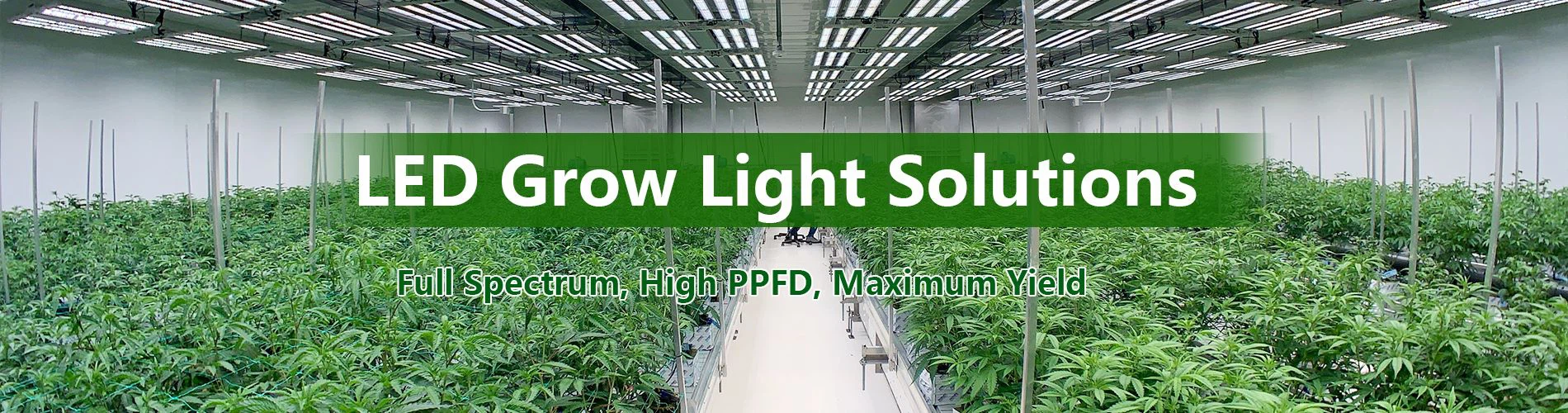
LED lights are great for vertical farming because they are thin (just 3–5 cm thick) and don't give off a lot of heat. At Yuntai Farm in Lianyungang, the intelligent culture chamber for Phalaenopsis has LED light strips above each cultivation rack. The gap between the layers has been cut down from 1.5 meters to 0.8 meters, which has increased space use by 47%. The device can automatically change the light intensity (0–2000 μ mol/m²/s) and spectral ratio when used with IoT sensors. This shortens the flowering cycle of Phalaenopsis by 15 days and makes the colour of the petals more uniform by 30%.
三,The profound logic of upgrading industry: the interaction of policies, markets, and technologies
The widespread use of LED plant lights is not only due to improvements in technology, but also to government regulation, market demand, and the health of the industry as a whole.
1. Policy dividend: from "subsidy driven" to "standard led"
The Ministry of Agriculture and Rural Affairs of China's "14th Five Year Plan for National Agricultural Green Development" says that by 2025, 60% of facility farms need to use LED lighting. The "reward instead of subsidy" strategy is used by local governments to encourage the usage of technology. For example, Shandong Province gives greenhouses that utilise LED fill light a subsidy of 2000 yuan per mu and sets up a standard system for spectral regulating technology.
2. Market demand: from "production comes first" to "quality is king"
The market demand for high-end veggies, medicinal plants, and attractive flowers is expanding by an average of 12% per year as people start to buy more expensive things. LED spectrum control technology may precisely manage crop morphology (for instance, thickening leafy vegetables), nutritional elements (like boosting the vitamin C content in tomatoes by 20%), and flavour compounds (like optimising the sugar-acid ratio in strawberries), catering to specific requirements.
3. Industrial Ecology: From "Single Point Breakthrough" to "System Integration"
LED plant lights work well with the Internet of Things, big data, and artificial intelligence. For instance, Philips' GrowWise control system in the Netherlands can automatically create lighting plans based on models of how crops grow and allow for remote monitoring through 5G networks. China's KeRui Microchip's "Smart Light Environment Platform" combines data like spectrum, temperature, humidity, and CO₂ levels to create a closed-loop control system that boosts greenhouse production efficiency by 18%.