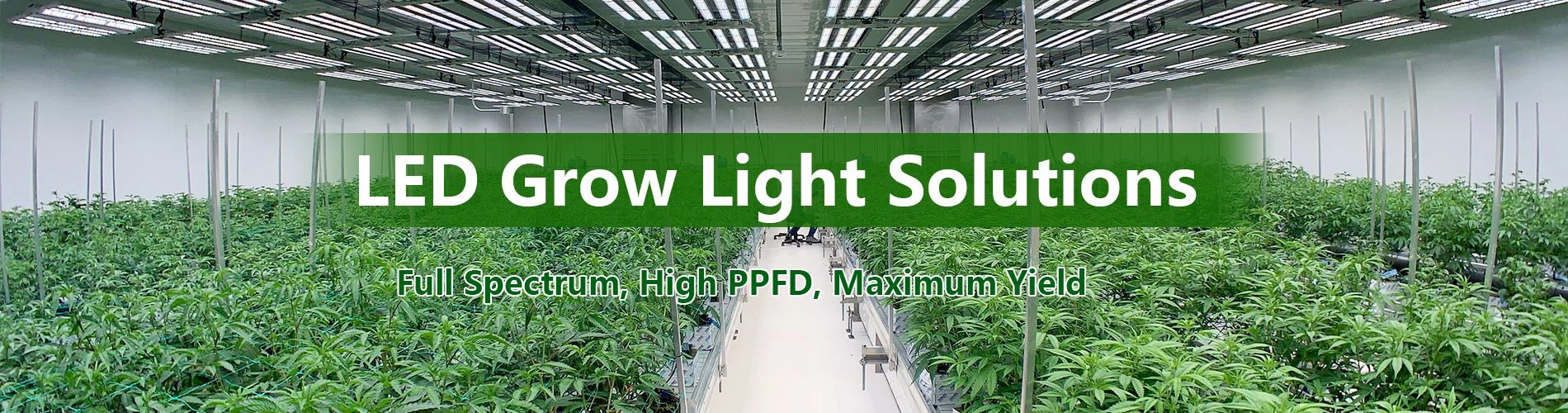
More and more people have been using greenhouse supplemental lighting in the last few years.
For example, to light one acre of crops, farmers normally need roughly 1,500W of extra grow lights. Let's look at the numbers. That's about 6 kWh a day if they operate the lights for 4 hours a day. This comes out to about $0.90 a day, $27 a month, or about $162 for six months at the average U.S. electricity pricing of $0.15 per kilowatt-hour. This seasonal cost is quite modest compared to what the crops could make.
So, what makes more lighting so useful? The three things that matter are the spectrum, the amount of light (PPFD/DLI), and the photoperiod. With extra LED grow lights, farmers may adjust both the spectrum and the length of time. That means they can make up for overcast days or short winter days, speed up growth cycles, or even make flowers last longer. In real life, fruits often come to the market 30–40% sooner, vegetables can grow approximately 20% quicker, and flowers can bloom longer to meet demand.

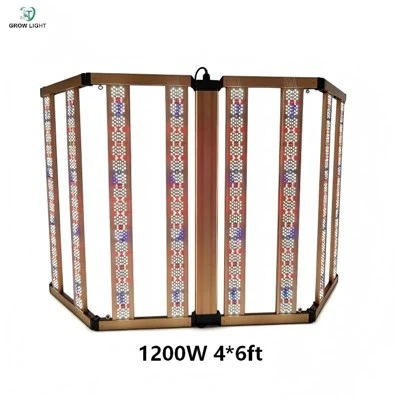
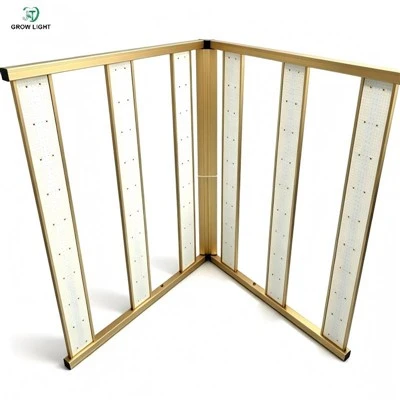
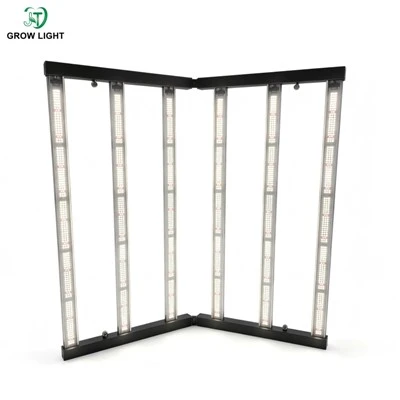
The application is useful. First, you need to figure out what your business aim is, such as getting an earlier harvest, a larger yield, or longer flowering. Next, please determine the target DLI for your crop and select the appropriate type of additional grow lights and arrangement. Linear LED bars, panel fixtures, and strip lights that go beneath the canopy are all common choices. For the greatest results, utilize adjustable-spectrum supplemental LED grow lights with zoning, timers, and light sensors. This way, you can get the most out of your plants and use the least amount of energy at each stage of growth. The distance, angles, and airflow in the greenhouse all need to be taken into account while installing the lamps.
LEDs may cost more up front than regular lights, but they use less electricity, last longer, and create less heat, which makes them more cost-effective in the long run. Cleaning the lamp covers, checking the drivers and cooling, and keeping the area free of dust are all easy things to do as part of regular maintenance. It is easier to figure out the return on investment (ROI) for your greenhouse supplementary lighting system when you keep track of things like energy use, crop output, and harvest time.

For example, let's say a grower makes an extra $810 per acre per season by harvesting sooner and improving the crops. That means you get five times your money back (810 ÷ 162 = 5). Of course, the real results depend on the type of crop, the price on the market, and how the farm is run, but it illustrates the potential.
DLI (Daily Light Integral) is another important point. This tells you how much light a plant gets in a day, which has a direct effect on how much biomass it grows. One of the main purposes of adding lights to greenhouse systems is to raise the DLI to the crop's ideal range, even when the weather would ordinarily lower it.
Under-canopy supplemental lighting is becoming more crucial for dense plantings or vertical racks. It makes sure that the lower leaves get enough photons for photosynthesis, which makes the overall plant's light use more efficient. With LED grow lights that can change their spectrum, you may gain even more energy economy by lighting up specific areas under the canopy.

Useful advice:
1. Start with a few test locations and compare the data before adding more.
2. Instead of running full power all at once, use zoning and dimming.
3. Always verify the distance, angle of attachment, and airflow of the lamp.
4. Use timers, dimmers, and data logging to make your strategy better.
Supplemental grow lights are not a miracle fix, but they are one of the best ways to turn unpredictable weather and seasonal changes into constant profitability and harvest times.