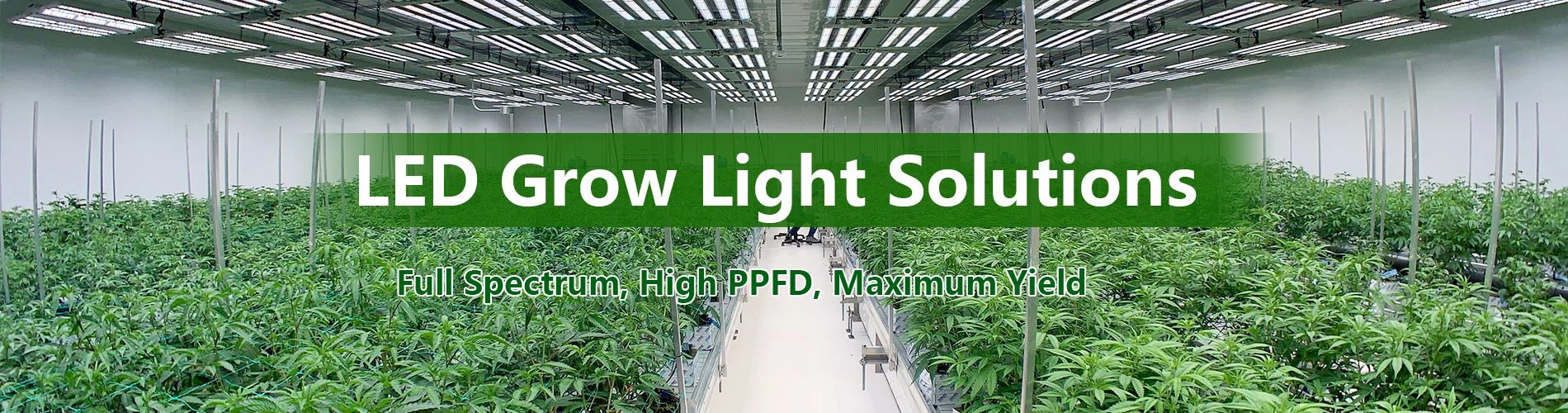
As more controlled environment growers install LED grow lights, those who haven't yet may wonder if they're missing out. However, whether it's worth installing these lights depends on the type of crop being grown.
Different types of crops have different needs for grow lights. For example, ornamental growers produce per-unit crops (e.g., pots, baskets), and their goal is to get plants to minimum size and bloom, rather than focusing on crop weight. In contrast, food crop growers are more focused on yield, and their goal is to maximize yield, so they have a greater need for light intensity.

Importance of supplemental lighting: For ornamental growers, supplemental lighting has less impact on yield and is mainly used to adjust day length. For growers at the lower end of lighting needs, light is less important and they often wait for costs to drop or rebates to balance the return on investment.
Eric Runkel, a professor of horticulture at Michigan State University, said LED grow lights are most useful for growers who propagate ornamental plants in winter or early spring, but are less cost-effective for growers who start planting later in the spring because they use the lights for a shorter period.
Crop types affect investment decisions: Long-term crops such as ornamental plants such as poinsettias and orchids have a higher production area value, so installing lighting equipment makes more sense. For short-term crop growers, lighting equipment is only worth considering during the seedling stage, because high-quality seedlings are critical to the entire production process.
Compared with lamps five years ago, modern LED lamps are about 30% more efficient, which is of great significance to growers. Growers who continue to wait for new products may miss opportunities to save energy and obtain utility rebates.
Features and prospects of grow lights: The dimming function is a feature that growers value very much and can directly affect electricity bills. Although the cost of dimming lights is higher, it has great flexibility and economic benefits in operation. Another possible future trend is to integrate far-infrared light into grow lights. Far-infrared light can adjust plant morphology, such as lengthening stems or adjusting leaf size, which has obvious advantages for the growth of certain crops such as strawberries and cucumbers.

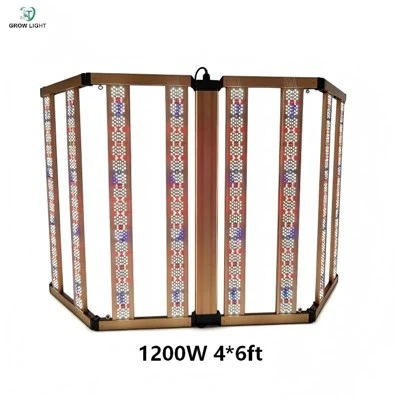
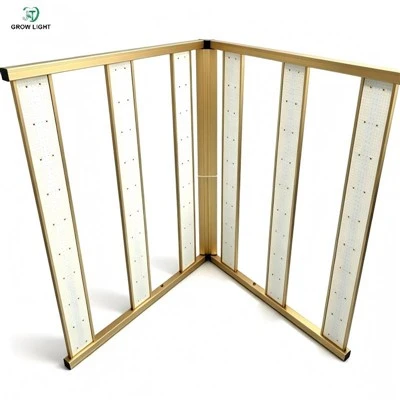
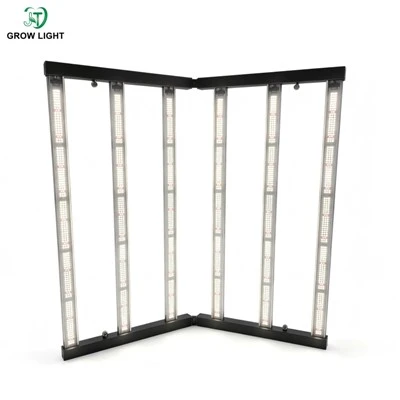
Do your crops need to grow lights? JT Grow Light can match the professional spectrum for your plants according to your plant species. Ensure that your plants achieve high yield and high quality at the same time.
Contact: May Chen
WhatsApp:+8613510695807
Email:May@china-growlight.com
Website: www.china-growlight.com