
Ensure food safety and contribute to a sustainable future
Every day, about 1.6 million people worldwide fall ill from eating contaminated food, resulting in 420,000 deaths each year. The World Health Organization (WHO) and the Food and Agriculture Organization of the United Nations (FAO) have highlighted this issue in advance of World Food Safety Day on June 7, 2023:
"From diarrhea to cancer, more than 200 diseases are caused by eating food contaminated by bacteria, viruses, parasites or chemicals."
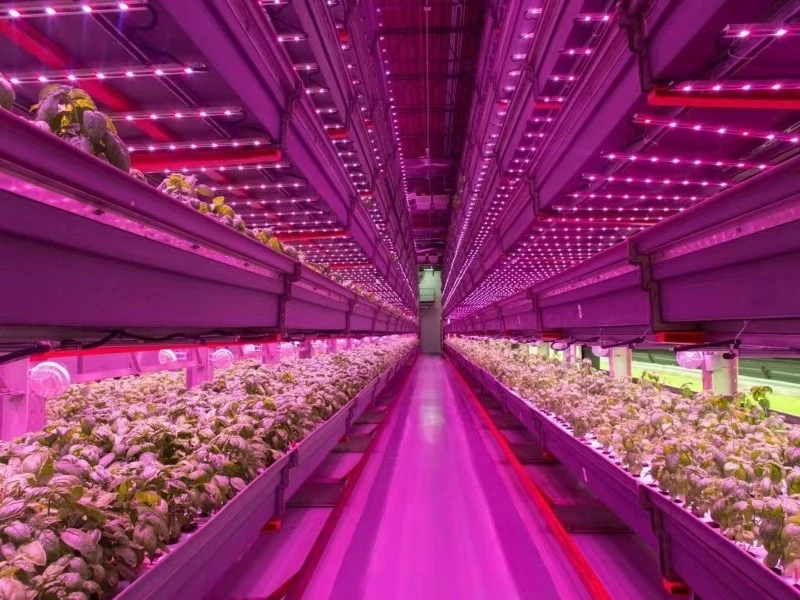
Why are leafy greens high-risk ingredients?
Leafy greens are one of the most dangerous fresh produce for the following reasons:
Easily contaminated: When exposed to the outdoors, they are easily contaminated with bacteria, viruses, and parasites.
Difficult to clean: The leaves are fragile and difficult to clean thoroughly.
The habit of eating raw: Many people eat raw food directly, which increases food safety risks.
Controlled Environment Agriculture (CEA): Creating Safer Produce
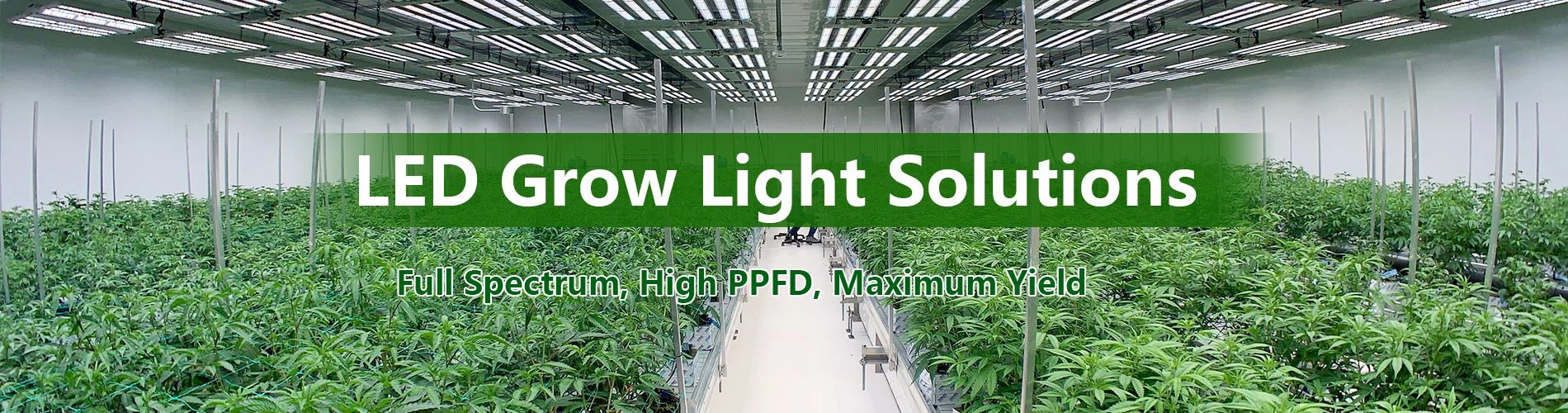
Through controlled environment agriculture (CEA), we can grow leafy greens without using harmful chemicals while minimizing the risk of pathogen contamination. This not only gives consumers more peace of mind, but also provides new ideas for sustainable food production.
Most indoor vertical farming companies usually emphasize their advantages over traditional farms:
- Reduced water and land use
- Reduced pollutant emissions and adapt to climate change
- Shortened food miles, farms are built near urban communities, and transportation carbon emissions are reduced
- However, sustainability is not just a comparison with traditional agriculture. We should pay more attention to how to improve sustainability from internal operations.
Circularity: Reduce waste and achieve closed-loop operations
Waste management has always been one of the challenges of indoor vertical farming. Traditional vertical farms usually use unsustainable plastic sponge substrates, which are not only non-recyclable but also non-degradable. Every week, enough sponge materials are used to cover a football field.
YesHealth Group has developed a proprietary gel substrate that naturally dissolves during plant growth, achieving true zero waste. Made of water-based and plant-based materials, this substrate is not only environmentally friendly but also effectively promotes the decarbonization of hydroponic technology.
Energy: Reduce energy consumption with efficient LED
Energy consumption is one of the core challenges of vertical farms, and the power demand of growth lights is a major part of operating costs. Therefore, improving the efficiency of LED grow lights is crucial to achieving sustainable development.
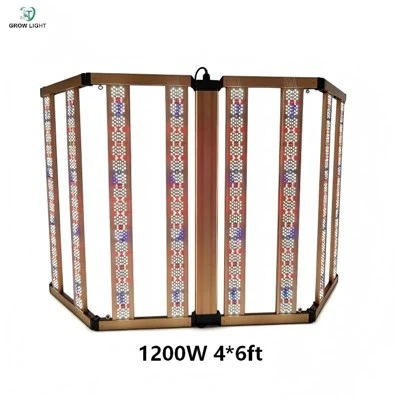
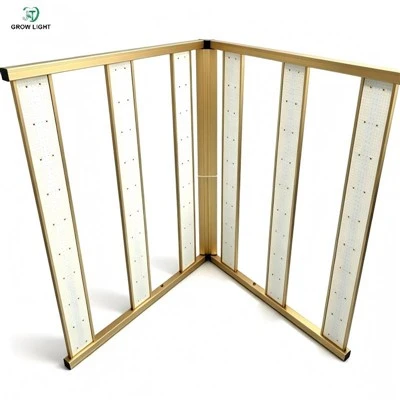
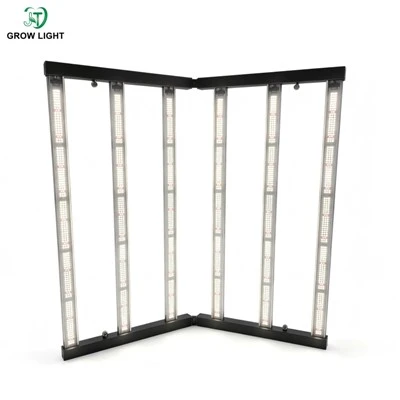
JT Grow Light provides high-efficiency grow lights, relying on professional spectral matching solutions to enable plants to absorb more accurate and sufficient light at the same time.
- Reduce energy consumption and improve light energy utilization efficiency
- Promote crop growth and increase yields
This means that while reducing electricity costs, your farm will get higher returns.
The future of vertical farming: efficient operation and rapid profitability
To achieve sustainable development of vertical farming, we need to not only reduce water use and pollution, but also control operating costs. Choosing high-quality grow lights can help your farm quickly achieve profitability.
Contact us to learn more about efficient LED lighting solutions and start your journey to sustainable agriculture!