To make your plants thrive, you have to start with light - and light is not just a matter of "brightness", there are many things behind it. Today, let's talk about the "spectrum" and "intensity" of light. These two key points are like vitamins for plants, which determine whether they can eat and drink enough and grow strong.
First, the so-called "spectrum" is the combination of wavelengths of light. In other words, it determines the color of light. You may think that colors are just red, green, and blue. But plants don't think so! The colors that the human eye can see are just approximate. 440nm and 460nm blue light look the same to us, but they mean very different things to plants. It's like when you eat, a bowl of rice and a piece of steak, although they are both eaten, but the nutritional value is far different.
Plants are particularly particular about each wavelength of light. Certain wavelengths can trigger their "biological switches", allowing them to decide whether to stretch, shorten, or produce more "secondary metabolites", such as improving photosynthesis efficiency or preventing "sunburn". This explains why we use "spectrum" instead of simply "color" to describe these lighting conditions. After all, color is just a representation, and spectrum is the key to plant growth.

Let's talk about "intensity". It is the number of photons that fall on the plant per unit of time. You may think that "strong light means bright", but plants don't care about whether the light is bright or not, they only care about whether there are enough photons, especially those photons that can allow them to photosynthesize. It's like when you eat, you don't care whether the dish is colorful, but whether the portion is enough.
We use quantum sensors to measure light intensity. This little guy can measure the number of photons per square meter per second. However, traditional quantum sensors are not always so accurate for LED measurements, because LED lights are particularly "favorable" to blue and red light, and often there will be too much or not enough. At this time, if you want to measure the spectrum in detail, using a spectroradiometer is a good choice, although it is more than a little more expensive.
Another thing to note is that spectrum and intensity are a good pair, and they must be properly matched to make plants grow comfortably. Some spectra perform well at low intensities, but once the intensity is increased, the effect may be discounted. For example, when growing marijuana, high-intensity red light may cause the plant to "sunburn", while the same spectrum at low intensity will not have this problem.
What's more interesting is that different colors of light have different "saturation points" at different intensities. Red light may make the plant "full" in advance at high intensity, while green light can continue to "eat". Therefore, the combination of spectrum and intensity depends on the "appetite" of the plant.
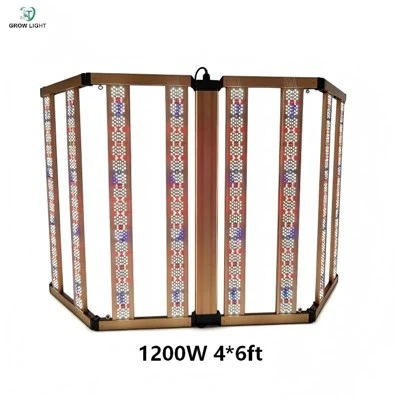
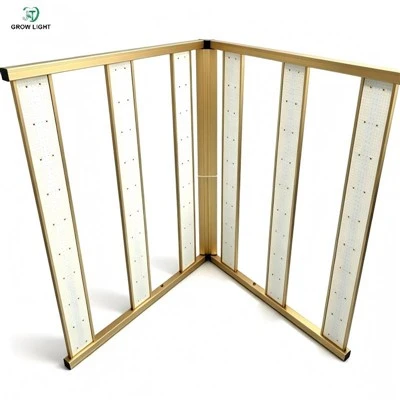
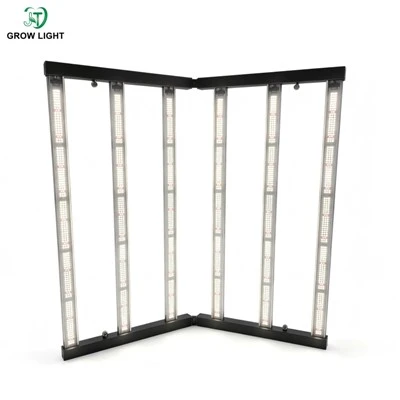
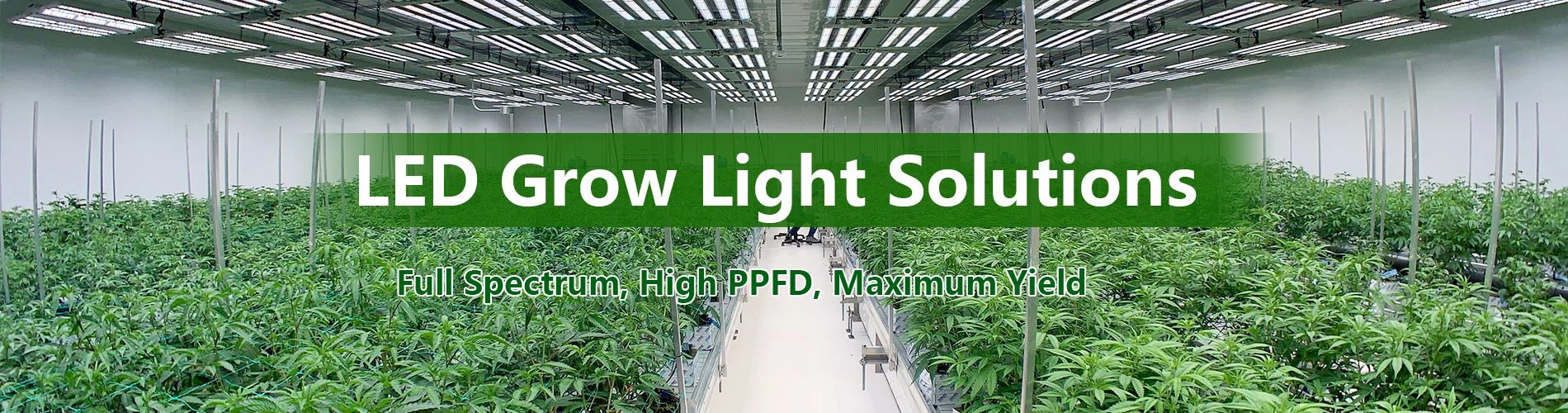
The advantage of LED Grow Light is that it can accurately control light of different wavelengths, but the efficiency of different wavelengths is also different. High-efficiency Plant Grow Lights allow you to output more photons with less electricity and reduce electricity bills. This is great news for growers. After all, spending less money and doing more is everyone's ultimate pursuit.
In summary, if you want to get the highest yield from plants, don't underestimate the scientific combination of spectrum and intensity. They not only affect the healthy growth of plants but also affect your electricity bill. Therefore, in the planting process, choosing a spectrum and intensity combination that suits your production goals is a good investment!
JT Grow Light does a great job in this regard. We can not only precisely control the spectrum to ensure that each wavelength meets the growth needs of plants, but also provide excellent light intensity management to maximize photosynthesis efficiency. Coupled with our LED energy-efficient design, you can significantly reduce electricity costs while maintaining strong yields. Whether you are a farmer pursuing a good harvest or a researcher experimenting with refined growth, the JT GROW lighting system can provide the most ideal light environment for your crops, allowing each plant to thrive in the best condition.
More Information
SHENZHEN JT PHOTOELECTRIC TECH CO., LTD
May@china-growlight.com
www.china-growlight.com