Hey everyone, A lot of clients have asked us this: "You always talk about grow lights and supplemental lighting separately." Do we have to buy both of those? That would be very expensive. Is there a way to utilise one light for both?
This post will explain in detail how a single LED grow light may provide both extra light and growth.
Supplemental lighting and grow lights are basically just "different ways to use them."
To clarify, supplemental lighting and grow lights are essentially the same, but they are used in distinct ways.
A 100-watt LED grow light, for instance, can be used as both a supplemental light and a primary light for growing plants. How you use it is the most important thing.
When is it used as supplemental light?
A supplemental light's primary function is to supplement plants with extra light when there is insufficient or uneven light. This ensures that each leaf can photosynthesize well.
Height of the lights: They are usually mounted higher to cover a bigger area.
Light intensity: It doesn't have to be very intense; it can work with natural light or greenhouse light sources.
When using this product, ensure that greenhouse veggies, fruit trees, or flowers receive sufficient light every day. This will help the plants absorb more light and accelerate photosynthesis in winter, at high latitudes, and when it's cloudy.
For example, lettuce, tomatoes, peppers, and other plants in a greenhouse may not get enough light on days when it is gloomy or wet. In this scenario, you can hang LED grow lights high up to act as supplemental lights. This will ensure that the plants can always photosynthesize optimally, which will help them grow strong.

When is it used as a grow light?
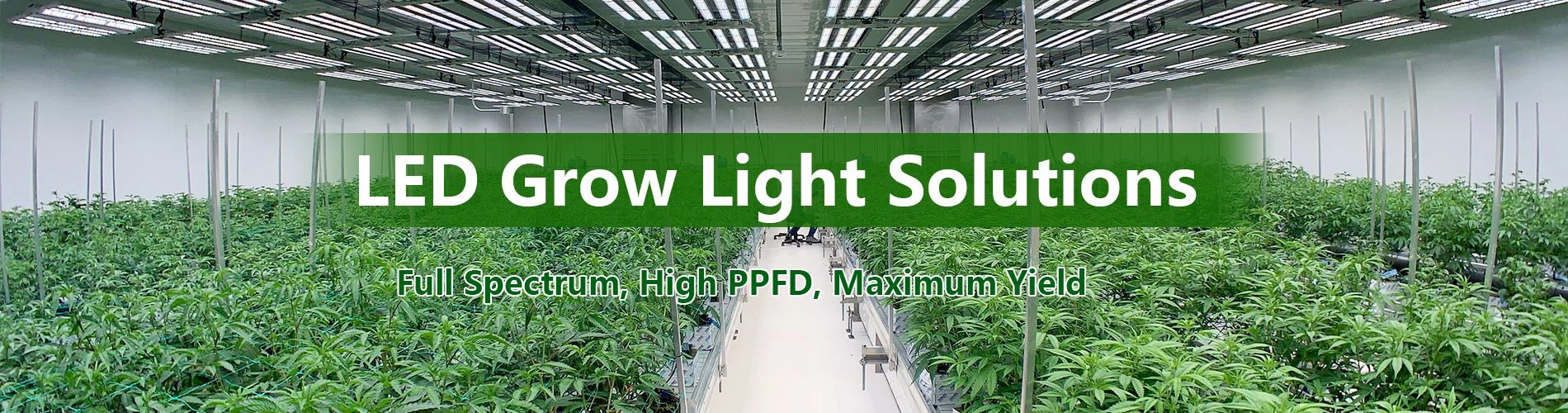
Plants grown inside don't get any light from outside. In this situation, grow lights are their main source of light, and they work best in places where there is no natural light.
Height of the light: Position the light close to the plants to ensure they receive sufficient light.
Intensity of light: Strong enough for plants to fully photosynthesise.
Situations where it can be used: growing plants indoors, in vertical farms, and in soilless indoor environments.
For strawberries in a vertical farm or a small indoor farm without natural light, the same 100-watt full-spectrum grow lights can be used as grow lights if they are hung at the right height above the plants. These lights will help the plants grow quickly from seedling to blooming and fruiting.
Basic Idea: Two Uses in One Light
In short, LED grow lights can help plants grow and provide them with extra light. The primary distinctions are:
Distance of lighting: Longer distances give extra light, whereas shorter distances help plants flourish.
Illumination area: Bigger coverage areas provide extra light, whereas smaller coverage areas allow things to flourish.
When there is a lot of natural light, they can be used as extra lights. When there is no natural light, they can be utilised as grow lights.
This means that one light may meet all the demands of plants from seedlings to flowering and fruiting, so you don't have to buy more than one light.

Tips for Using and Adjusting Light Intensity
In real life, several expert recommendations can help a single light better balance supplemental light and growth:
1. Adjusting the Height supplemental light
1) Position it approximately 80–120 cm above the top of the plant to cover a large area and spread the light evenly.
2) To ensure the light is strong enough, place the grow lamp approximately 40 to 80 cm above the plant.
2. Changing the Length of the Lighting
1) Supplemental light: Gives short bursts of light during the day when there isn't enough natural light, like 2 to 4 hours.
2) Grow light: Provides the plant with all the light it needs throughout the day, or for as long as it requires.
3. Using the Spectrum in a Flexible Way
1) Blue light (450–470 nm): Helps roots grow and leaves grow.
2) Red light (630–660 nm) helps plants bloom, bear fruit, and grow longer.
Adjustable light spectrums allow you to change the spectrum ratio for different growth phases, making LED grow lights more effective.
The pros of JT Grow Light for professionals
We are a professional LED grow light manufacturer, and we don't just consider lamp power and energy efficiency. We also think about how the lights will be used and what plants need to thrive.
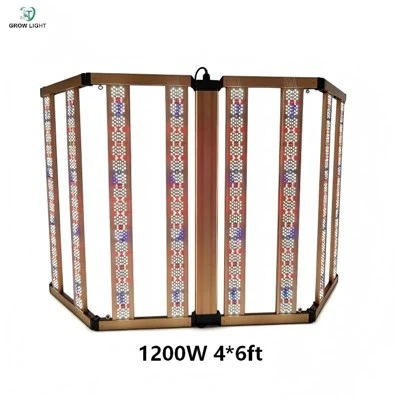
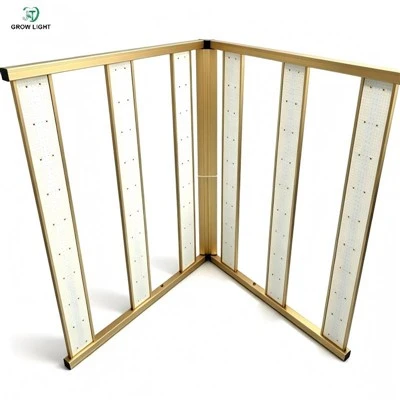
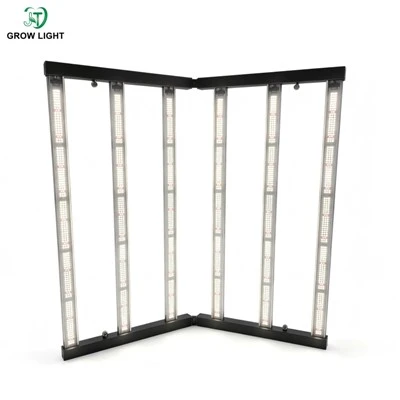
Full-spectrum LED grow lights: Meet the lighting needs of all stages of plant growth, from seedlings to flowering and fruiting.
Flexible Installation: You can easily set the lamp distance and light intensity to provide dual-purpose illumination for both growth and extra light.
Customised Spectrum Solutions: Make the spectrum work best for each crop and stage of growth so that every leaf gets the most photosynthetic energy.

Design that uses very little energy: ensures that each unit of electrical power produces the most light, thereby lowering operating expenses.
Our LED grow lights can be adjusted in height, intensity, and spectrum to span the entire growing cycle, whether you're producing tomatoes and strawberries in a greenhouse or lush greens in a vertical farm.
When you choose a professional full-spectrum LED grow light, you can be confident that your plants will develop well and that you will save money on your investment.