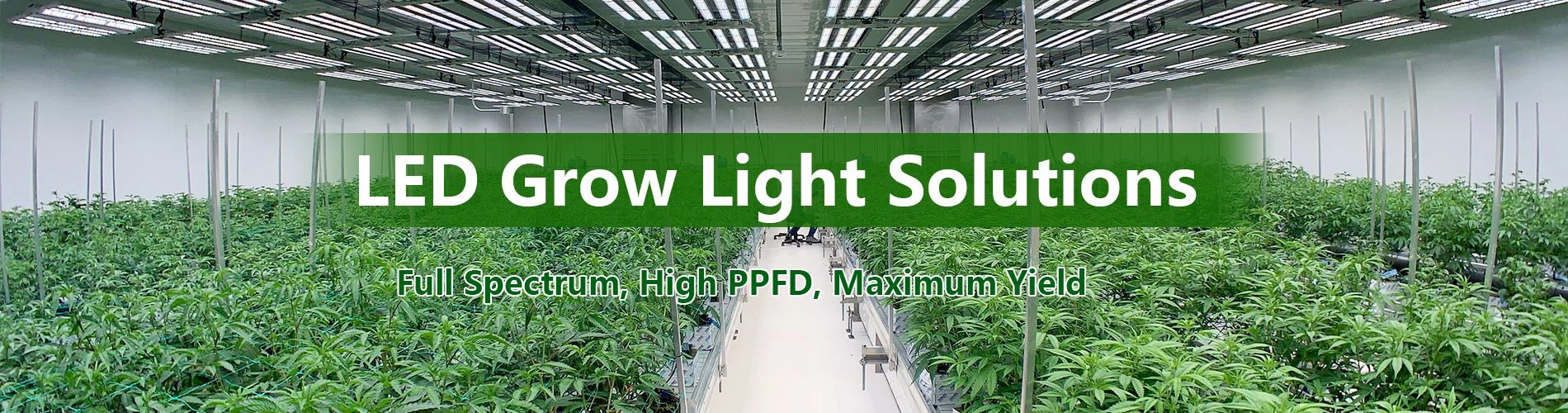
Anyone who has managed a multi-room cultivation facility knows this uncomfortable truth: Room A never performs exactly like Room B.
Even when you copy the same layout, use the same genetics, and follow the same SOPs, small differences creep in. Over time, those differences turn into measurable yield gaps.
Lighting is often at the center of that problem, even when it looks identical on paper. Multi-room facilities don't fail because of bad equipment. They struggle because rigid systems don't scale gracefully.
Why multi-room consistency is harder than it looks
On a spreadsheet, rooms look identical. In reality, they never are. Mounting heights differ slightly. Electrical routing forces compromises. Structural elements vary. HVAC balance shifts. Even staff behavior changes from room to room.
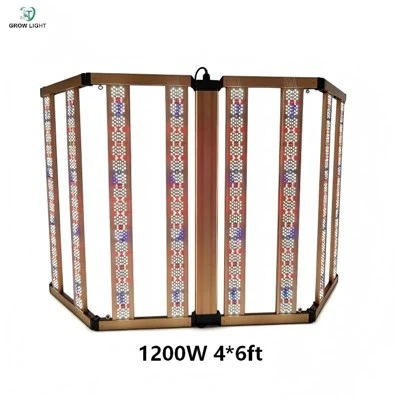
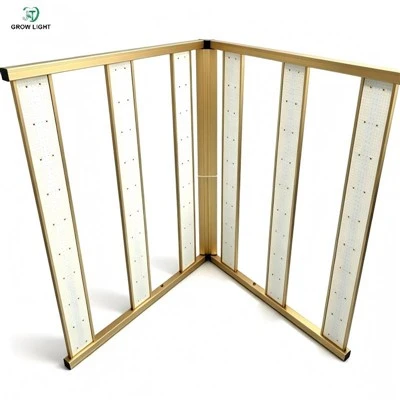
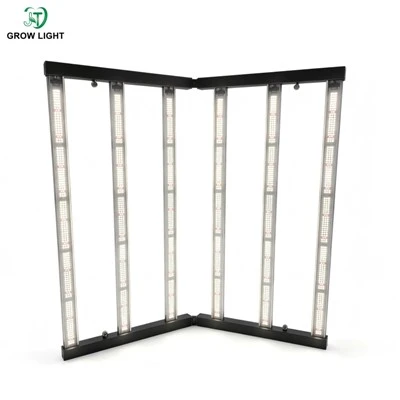
Traditional fixed lighting systems assume perfect replication. Foldable LED Grow Lights assume variation. That distinction matters when you're managing multiple grow rooms at scale.
Instead of forcing every room to adapt to a rigid fixture footprint, folding LED grow light designs allow adjustments that absorb those small differences without breaking uniformity.
Foldable lights simplify replication, not just installation
One of the quiet advantages of Foldable Grow Light systems is how easily they replicate performance, not just layouts. When bars can be adjusted, spaced, or angled, lighting output can be tuned to match each room's reality. This doesn't mean reinventing the design every time. It means small, controlled corrections instead of major redesigns.
Growers running multiple flower rooms often report that foldable LED grow lights reduce the performance gap between rooms, even when infrastructure isn't perfectly identical. That's a big deal for facilities aiming for predictable production cycles.
Expansion without rethinking the entire lighting strategy
Multi-room facilities rarely stay static. Expansion happens in phases. New rooms come online while old ones are still operating. Fixed lights lock you into decisions made years earlier. Folding LED Grow Light systems are more forgiving.
When expanding, growers can reuse the same lighting platform while adjusting configurations for new spaces. This reduces SKU complexity, simplifies spare parts management, and lowers training costs for staff. Consistency doesn't come from rigidity. It comes from controlled flexibility.
Labor efficiency across rooms
Lighting decisions don't just affect plants. They affect people. When every room uses a slightly different workaround to compensate for lighting limitations, staff confusion increases. Mistakes happen. SOPs become harder to enforce.
Foldable LED Grow Lights support standardized workflows. Mounting logic stays the same. Light distribution behaves predictably. Staff don't need to relearn each room's quirks. That operational clarity compounds over time.
JTGL's role in multi-room facility planning
JTGL works with facilities that think beyond single-room optimization. Our foldable LED grow lights are often selected not because they look innovative, but because they behave consistently across multiple rooms.
By focusing on modular design, stable drivers, and predictable light spread, our Folding LED Grow Light systems help facilities scale without lighting becoming a bottleneck. For growers planning phased expansion, this approach reduces risk. You don't gamble on a completely new lighting platform every time you add rooms. You refine what already works.
Multi-room facilities don't need more power, they need repeatability
In large operations, success is boring. Same results. Same timelines. Same outcomes.
Foldable LED Grow Lights support that boring success by minimizing variables that shouldn't exist in the first place.
They won't fix poor management. They won't replace good cultivation practices. But they remove one of the most common sources of inconsistency between rooms. And in commercial cultivation, consistency is profit.