
Photosynthesis is how plants turn light into food: chlorophyll captures light energy and uses it to combine carbon dioxide and water into carbohydrates, with oxygen released as a byproduct. But light does more than fuel photosynthesis - it shapes how a plant grows, when it flowers, and even how its roots develop.
Light, Photosynthesis, and Practical Lighting

Photosynthesis responds to light intensity
In complete darkness, leaves don't photosynthesize - they only respire and release CO₂. As light intensity increases, the photosynthetic rate rises until it matches the rate of respiration, known as the light compensation point. Above the light compensation point, plants begin to build biomass. Continue increasing the light intensity, and eventually, photosynthesis will reach a plateau at the light saturation point. At a certain point, excessive light can cause photoinhibition, resulting in damage or reduced photosynthetic efficiency.
Natural sunlight varies depending on the weather, season, and location
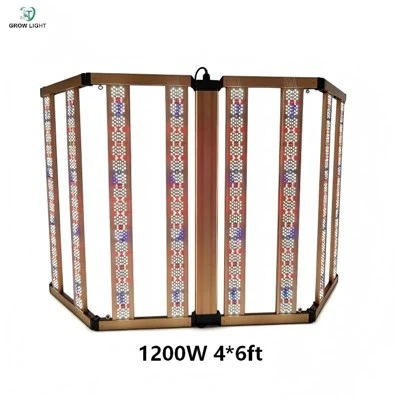
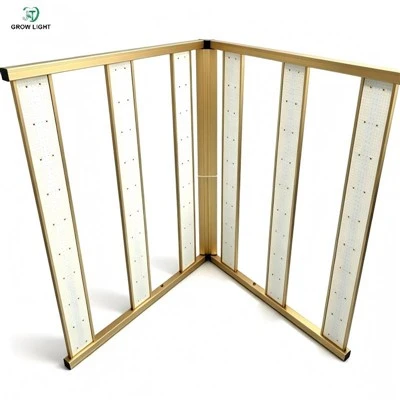
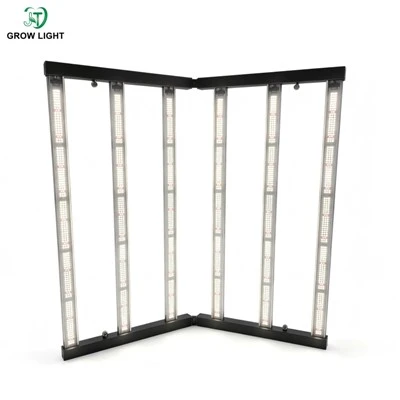
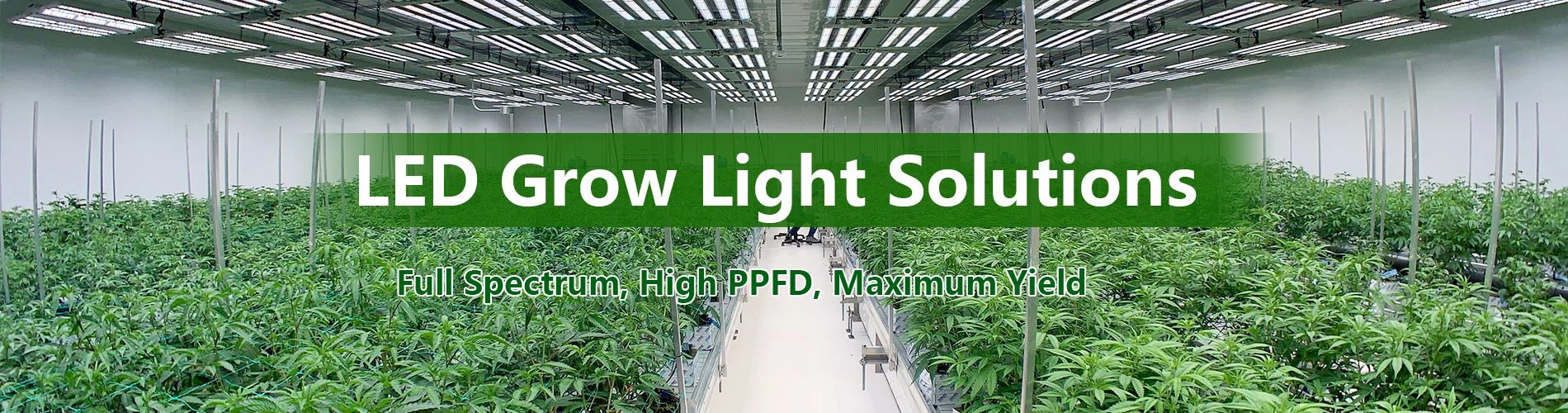
That's where LED grow lights become useful. Modern LEDs give steady, controllable light. You can dial intensity and tune the spectrum so plants stay in their productive window-not starved for light, not suffering from excess. Compared with older lamp types, energy-efficient commercial LED systems make it easier to hit the compensation and saturation zones accurately, improving yields while saving power.

Why Light Quality (Spectrum) Matters

Only visible light powers photosynthesis, but not all wavelengths are equal. Red light (about 600–680 nm) is a powerhouse for photosynthesis; blue light (around 430–450 nm) supports chlorophyll production and leaf development. That's why full-spectrum LED grow lights aim to mimic sunlight's useful bands, with a tailored balance of red and blue.
In shaded or dense canopies, the light that reaches lower leaves is often rich in green wavelengths, which plants use poorly. That's why understory leaves are yellow and weak. Adding under-canopy LEDs or targeted interlighting supplies the red/blue photons where they're needed, reviving lower-leaf photosynthesis and improving whole-canopy performance.


LEDs can also add targeted UV or far-red/IR components. Small doses of UV can boost secondary metabolites (think flavor, color, aroma), while far-red can influence flowering and stem elongation. Good growers use these tools sparingly and with purpose.
Light as a Growth Signal: Photomorphogenesis
By changing the red: blue ratio with LEDs, you can shape plant form. More blue light tends to produce shorter, stockier plants with thicker leaves - ideal where space and sturdiness matter. Increasing red light tends to encourage elongation and can support flower induction. That control is invaluable in dense plantings or vertical farms, where you want predictable, compact growth rather than leggy, fragile stems.
Shade Avoidance and Lighting Strategy
When plants are shaded by neighbors, they trigger a "shade avoidance" response - stems stretch to reach light. That's costly: energy goes into height rather than leaf area or fruit. Preventing this starts with even light distribution. A mix of toplighting and interlighting (or under-canopy supplemental lights) keeps the canopy balanced, reduces excessive stretch, and helps maintain yield and quality.
Using Light to Control Flowering
Day length (photoperiod) is a primary cue for flowering in many species. LEDs make it simple to simulate seasons: shorten the light period for short-day crops, lengthen it for long-day crops, or use night-breaks to manipulate flowering time. Adjustable-spectrum LED systems let growers match both duration and spectral quality, giving precise control over when crops transition to reproductive stages.
Phototropism and Practical Fixture Design
Plants lean toward light - phototropism. If lighting comes predominantly from one side, plants will slant and grow unevenly. That's why commercial LED setups use multi-angle arrays, rotating fixtures, or adjustable hangers so light is distributed more uniformly. The result: neater canopy shape, better light interception, and fewer management headaches.
Roots and Above-Ground Balance
Light generally suppresses root elongation, but roots also depend on the photosynthate supply from leaves. A well-designed lighting strategy - combining effective overhead LEDs with consideration for root-zone conditions - balances shoot and root growth. In practice, that means matching light intensity to the plant's overall physiological needs and ensuring good air, water, and nutrient management so roots can do their job.
Light is both fuel and language for plants. It drives photosynthesis, but it also tells the plant how to build itself - how tall to grow, when to flower, and how to allocate resources. Today's LED grow lights have changed the game by letting growers control intensity, spectrum, and photoperiod precisely. Whether you're running a greenhouse, an indoor farm, or a vertical rack system, smart LED use makes crops more productive, more uniform, and often more flavourful.