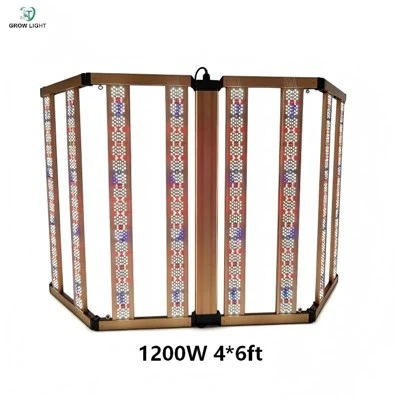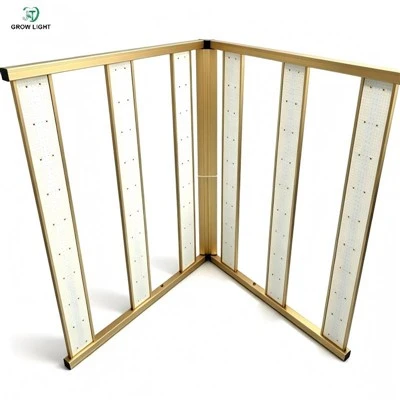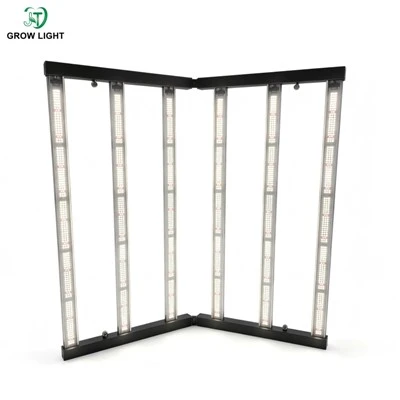
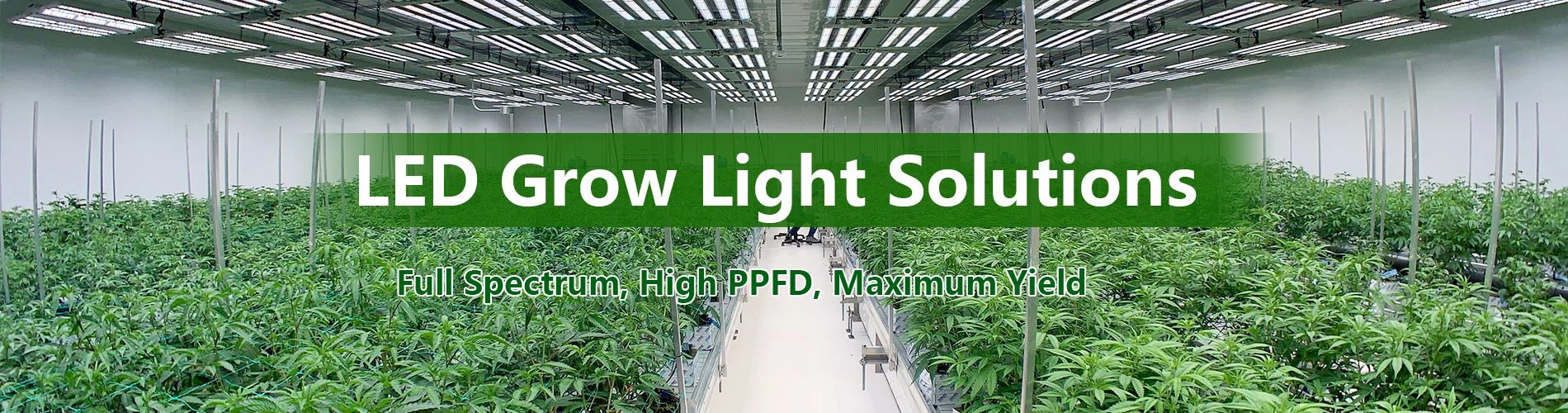
Light is everything in greenhouse farming. Plants struggle with photosynthesis when there is insufficient light. Their leaves turn pale, their growth slows down, and their yields decrease. That's why many people who grow plants in higher latitudes or during times of the year when the days are shorter use Supplemental LED Grow Lights. But how should we use them? And what genuine benefits can they give? Let's get started.
Why is Supplemental lighting important?
The best source of energy is natural sunshine, but it doesn't always work. In northern areas of China, such as Shandong or the Northeast, lengthy winters and shorter days make it challenging to get enough sunlight. Cloudy days, fog, or changes in the seasons can also block sunlight in other places.
Without supplemental light, crops might:
1) Grow more slowly and less strongly
2) Make smaller yields
3) Have flowers or fruit that don't all bloom at once
This is where Greenhouse LED Grow Lights come in to make up for what nature can't always give.
Different Ways to Use Supplemental Light
There are various ways to illuminate things. Depending on the needs of the crop and the cost, farmers commonly use these three methods:
1. Lighting for a Long Time
Keeping the lights on for much of the day makes sure that plants always have energy.
Benefit: The most growth boost
Bad: It costs more energy
People commonly utilise this method for crops that are worth a lot of money or during the darkest months of winter.
2. Lighting by the tide
Instead of keeping the lights on all day, farmers add light in the morning and evening, or they make the night longer with artificial light.
Good thing: It saves energy and works better
Still gives out enough light for photosynthesis
Needs to be timed well
It's like giving plants a little nudge when the light is at its weakest.
3. Special lighting for the stage
Plants don't always need the same kind of light. They require more energy and specific light spectrums, such as 660nm red light for stronger flowering or 730nm far-red light for improved fruit setting, during flowering and fruiting.
✅ Good for crops since it helps them bloom and set fruit better
✅ Increases output and quality
This strategy allocates resources where they will have the greatest impact.

The Advantages of Supplemental Grow Lights
There are numerous benefits to using the correct Full-Spectrum Grow Lights, and they extend far beyond simply "making plants grow."
1. Stronger plants: their growth is more balanced, their roots are healthier, their stems are thicker, and their leaves are greener.
2. Higher Yield: Plants receive a steady stream of light energy, resulting in improved harvests.
3. Better Quality: more even flowering, bigger fruit, brighter colours, and even better taste.
4. Flexibility: Weather no longer controls what farmers can do. Production can keep going even on dreary winter days.
This means more money for farmers, but it also ensures that their crops will continue to grow. After all, every gardener wants their hard work in the greenhouse to pay off with healthy plants and a bountiful harvest.
Why should you use JT Grow Light as supplemental lighting?
There are numerous supplemental lights for sale, but not all of them are designed with the needs of growers in mind. The following are what make JT Grow Light's supplemental lighting solutions stand out:
1. Professional Spectrum Design: Depending on the growth environment, we suggest different spectrum options. We suggest full-spectrum white for seedlings, for instance. We mix red and blue light for use throughout the entire development process, and we can also add far-red or violet light.
2. Energy Efficiency: Since various plants need different amounts of light, we can make LED grow lights with PPE up to 3.2 µmol/J for plants that need a lot of light. This ensures that every kilowatt-hour of electricity is converted into light energy.
3. Durability and Reliability: Our heat sinks are made for use in greenhouses and have been tested many times to show that they are great at getting rid of heat. This maintains our supplemental grow lights at a steady temperature while they are on, extending their lifespan.
4. Flexible Use: We can easily change the type of lighting we use, whether it's for long-term use, tidal use, or special times.
We are more than just a company that makes LED grow lights. We understand what growers need and what concerns them during the winter, when there is limited light and crops aren't always stable. We designed our Greenhouse LED Grow Lights to boost yield and quality, providing consumers with professional-grade grow lights tailored to meet the specific growing needs of their plants.

Summary
Supplemental LED grow lights are now a must-have for growing plants in greenhouses. They help keep crops healthy and boost productivity and quality per unit area with the proper supplemental lighting and a specialised spectrum solution.
In terms of solutions, JT Grow Light not only sells innovative full-spectrum grow lights but also offers the assistance and reliability that farmers truly need.