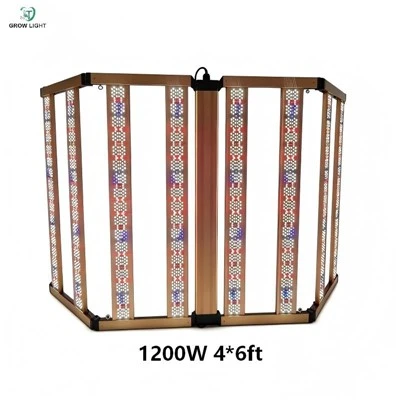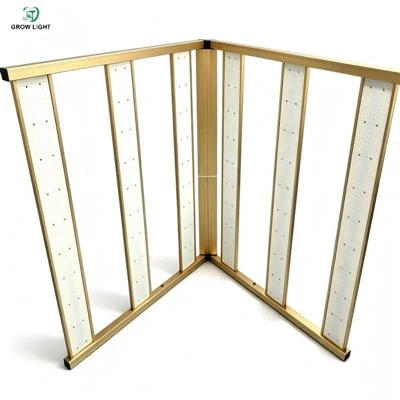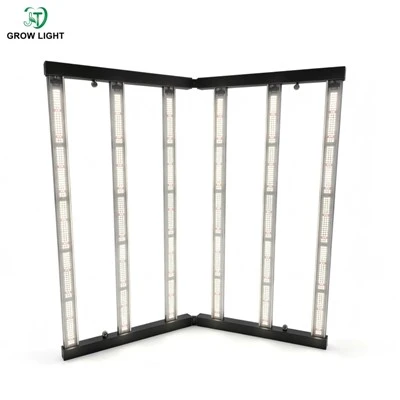
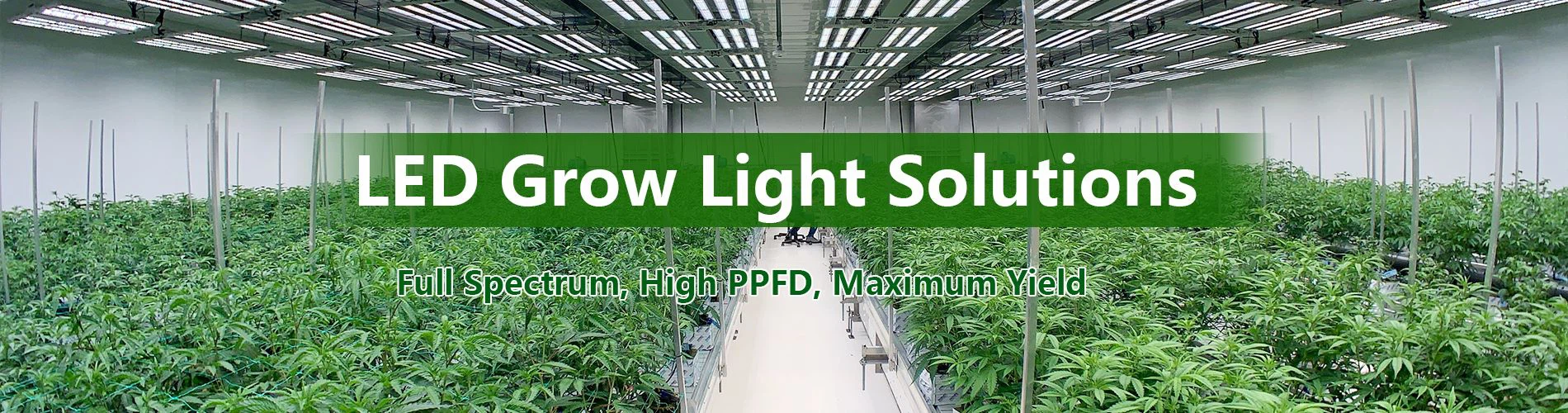
Nowadays, professional full-spectrum LED grow lights are already the primary equipment for providing artificial lighting for indoor planting. Provide a full spectrum: whole Spectrum plant growth lights supply the full spectrum required by plants, including the UV spectrum, which has a strong impact on stimulating plant growth and increasing output. But plant growth and the unique characteristics of the UV spectrum are something we must take into consideration. So, in this article, we will be discussing why the UV spectrum of LED Grow Light with UV should be bent independently and test the reasoning scatters.

Why is the UV spectrum so special?
The ultraviolet (UV) spectrum can enhance the disease resistance of plants, allow flowering and fruiting, etc. UV spectrum is generally divided into UVA, UVB, and UVC, and the wavelengths with the greatest influence on plant growth are usually UVA (320-400 nm) and UVB (280-320 nm). UVA can increase the production of important antioxidants in plants, UVB plays a role in promoting disease resistance, scent, color, etc. However, very high UV radiation intensity or overexposure can damage plants and inhibit their growth. Therefore, in plant light design, UV spectrum, is designed to go dim, which can control UV light better, avoid too much UV, and cause damage to plant growth.
Plant's response to UV light and needs
The different plants have unique demands for UV light. In general, adequate UV radiation can enhance plant disease resistance and increase the nutritional quality of plants. For example, under a certain intensity of UV light, vegetables, fruit trees, and medicinal plants can enhance their synthesis of antioxidants and resist diseases. Excessive UVB light, on the other hand, can scorch plant leaves, impair photosynthesis, and slow growth. An LED grow lamp with UV can offer the right amount of UV light, but if UV light and other spectrums share a dimming system, there can be too much UV exposure, which can damage the healthy growth of plants. Thus, perfect spectrum management can be realized in combination with different UV dimming designs, which assist the rapid and hearty growth of crops.
Dimming specification variations
Plants have different requirements, depending on their stage of growth, meaning the spectrum must be switched regularly. Whereas the UV spectrum is more beneficial for certain periods (i.e. flowering, fruiting, disease resistance, and many others) or species of plants, red/blue/white light is most widely used to provide the basic light a plant requires. Professional full-spectrum LED grow lights are generally designed to independently control the visible and UV wavelengths since plants have varying requirements for each. UV spectrum strength is needed to change during the entire growth cycle to provide full plant needs. The UV light is only also required for a short period and the brightness requirement is low for seedling crops. However, the UV amount must be more prolonged and brighter in the flowering or fruiting stage. It can help to maximize yields and stimulate floral bud differentiation. As a result, by independently dimming the UV spectrum, gardeners can perfectly adapt the intensity of UV light to the specific needs of the plants without the risk of over- or under-exposure.
UV light beads are less durable.
The lifespan of UV lamp beads is relatively low compared to visible light, regular LED lamp beads. Extended exposure to UV will reduce the light efficiency and accelerate the lamp beads' deterioration. If they are subjected to intense radiation, their decomposition will be faster. If an LED Grow Light with UV uses the same dimming system for the UV spectrum as other spectra, the UV spectrum, when it is not strong light, may be abused. This would accelerate the degradation of the UV LED and decrease the UV lamp's overall life. To avoid this successfully, dimming the UV spectrum independently will make the total service life of the LED plant light longer since it will reduce the harm caused by continuous use, and the UV spectrum can function completely when needed.
How UV affects LED heat
Heat does an awful lot on the UV spectrum. Unlike simple spectrum-like light, such as red and blue light, UV produces more heat during operation, which accelerates forward the agedness and medication of the white LED. Excessive heat buildup (especially during long and high-intensity irradiation glass) can damage or age the LED in advance. Since all wavelengths will be modified using the same dimming method, the heat and intensity of UV light may change in response to adjustments made to other spectra in a controlled space, potentially causing UV overheating and subsequent device damage. The issues that are mainly avoided as a result of the UV spectrum's severity and the damage done by overwarming can be decreased by fixing these UV spectrum values independently.

In brief
In a nutshell, here are the reasons Detachable UV Grow Light should be dimmable separately: the requirement for a unique UV spectrum for plants, the risk of excessive UV exposure that could harm the plants, enhancing the longevity of UV LEDs, and minimizing the risk of heat buildup. When the plant growing environment is effectively controlled, independently controlling the UV spectrum will enhance the lighting effectiveness, extend the service life of the lamp, and provide the plants with a correct spectrum, which will enhance the quality and yield of crops. To increase the efficiency and duration of the planting you have to choose a plant growth lamp capable of independently adjusting the spectrum of UV.
Learn More About the "UV LED Grow Light"
https://www.china-growlight.com/led-grow-lights/spider-led-grow-lights/adjustable-led-grow-lights.html