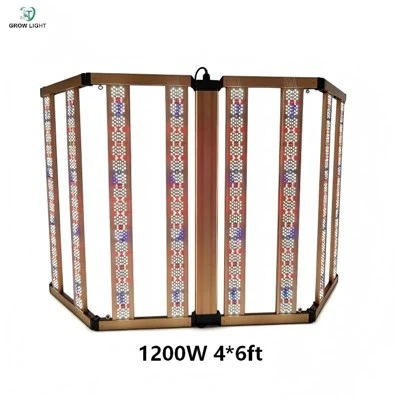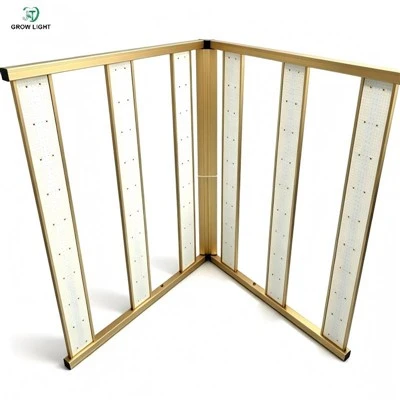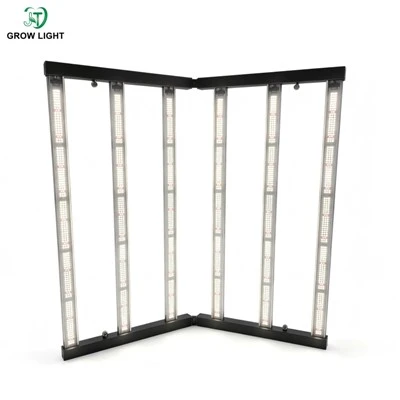
Most manufacturers design a grow light, put it on the shelf, and leave it there for years. We don't work that way. If you've followed our foldable LED grow light lineup, you've probably noticed it doesn't look - or perform - the same as it did a couple of generations ago. That's not an accident. It's the result of listening to growers, watching what actually happens in real grow rooms, and going back to the drawing board when something can be better.
Let's walk through how our foldable light got from where it started to where it is now, and why that matters if you're the one buying it.


Why a Foldable Design Even Matters for Growers
The Real Problem Foldable Grow Lights Solve
Anyone who has shipped or installed grow lights at scale knows the headache of bulky, rigid fixtures. A foldable LED grow light for cannabis solves two problems at once: it cuts down shipping volume (which saves money on freight), and it makes installation in tight spaces - tents, vertical racks, multi-tier systems - a lot less of a hassle.
Who Actually Benefits Most from a Foldable Design
Commercial growers scaling up multiple rooms benefit the most, simply because folding fixtures are faster to unpack, mount, and wire across dozens of units. But even smaller operations running a LED grow light for small grow tent setup appreciate not having to fight with an awkward, oversized fixture in a limited space.
Why We Started with an 80mm Bar Width
Our first foldable design used narrow, 80mm-wide light bars. At the time, this made sense - narrower bars meant a lighter frame, easier folding mechanics, and a straightforward manufacturing process. It got the job done and it sold well.
Where the Narrow Design Fell Short
But feedback started coming in. Growers running larger canopies told us the narrow bars left the light distribution a bit less even across wider grow areas, and some wanted a sturdier, more solid feel to the fixture overall. It wasn't a bad light - it just had room to grow, literally and figuratively.

Generation Two - Upgrading to a 120mm Wide Bar

Why We Widened the Bar to 120mm
So we widened the bar to 120mm. This wasn't just about looking bigger - a wider bar allows more diodes to be spaced out properly, which naturally improves how evenly light spreads across the canopy. Growers running denser plant setups noticed the difference almost immediately.
The Gold Finish Upgrade - More Than Just Looks
We also gave the fixture a gold finish. Yes, it looks premium - a lot of growers have told us it looks like a completely different tier of product sitting in their grow room. But we didn't stop at appearance, because a good-looking light that performs the same as before isn't really an upgrade. That's exactly why our engineering team pushed further.
The Upgrade You Can't See - New Diode Layout for Maximum Spectrum Efficiency
Why Appearance Alone Isn't Enough
Our engineers weren't satisfied just changing the outside. A new look with the same internal layout would have been an easy shortcut - but it wouldn't have solved anything for the grower. So the real work happened inside the fixture.
How Diode Layout Affects Light Efficiency and Coverage
The team redesigned the LED grow light diode layout completely, arranging the diodes in a pattern that makes far more efficient use of the available spectrum. In simple terms: instead of just adding more light, we made sure more of that light actually lands where the plant can use it, rather than getting wasted or unevenly distributed.
What This Means for Bud Density and Flowering Quality
This kind of spectrum efficiency upgrade tends to show up as more uniform canopy development and better bud formation across the whole grow area - not just directly under the fixture. For growers focused on foldable grow light bud yield, this is the part that actually shows up at harvest.
Old vs New - A Side-by-Side Look at the Upgrade
What Changed From Generation One to Generation Two
Putting the two generations side by side, the differences are easy to summarize in plain terms:
- Bar width: narrow 80mm bars became wider 120mm bars, allowing better diode spacing
- Appearance: standard finish upgraded to a premium gold finish
- Light distribution: noticeably more even coverage across wider canopies
- Diode layout: redesigned for better LED grow light spectrum efficiency, meaning less wasted light and more usable light reaching the plant
- Build feel: sturdier, more solid structure reported by growers switching over
What Growers Are Telling Us After Switching
Growers who've moved from the older narrow-bar version to the new wide-bar version consistently mention two things: the light feels more evenly spread across their canopy, and their plants - especially toward the edges of the grow area - are catching up to the ones directly under the center of the fixture. That's exactly the kind of feedback that tells us the redesign worked.

This Is How We Actually Design Our Grow Lights
Why We Talk to Growers Before We Redesign Anything
None of these changes happened in a vacuum. Every redesign starts with conversations - real growers telling us what's working, what's annoying, and what they wish existed. That feedback loop is really the starting point for almost everything we build.
Solving Real Pain Points, Not Just Chasing New Features
We're not interested in adding features just to have something new to advertise. Every change - the wider bar, the gold finish, the new diode layout - traces back to an actual problem a grower described to us.
Our R&D Philosophy - Built Around Cannabis Yield and Quality
At the end of the day, our engineering decisions are judged by one thing: does it help the grower produce more, better-quality flower. If a change doesn't move that needle, it doesn't make it into the next generation
Industry Trends: Why Grow Light Design Keeps Evolving
Rising Demand for Compact, Foldable Fixtures in Commercial Setups
As commercial cannabis cultivation keeps expanding, especially across multi-tier and vertical grow setups, demand for compact, foldable fixtures that are easy to ship and install continues to rise.
Growers Are Asking for Efficiency, Not Just Wattage
More buyers are moving past simply comparing wattage numbers, and instead asking about actual light efficiency and spectrum quality - which is exactly the direction our diode layout redesign was built around.
What Buyers Should Expect from a Serious Manufacturer
A serious foldable LED grow light manufacturer should be able to explain why a design changed, not just that it changed. If a supplier can't tell you the reasoning behind their upgrades, that's usually a sign they're following trends rather than solving real problems.
What to Look for When Buying a Foldable LED Grow Light
Questions to Ask Before You Order
Has the bar width or diode layout been updated recently, and why?
Can they explain how their design improves light distribution across the canopy?
Do they offer OEM/ODM options if you want a custom configuration?
Why Working Directly with a Manufacturer Gives You More Flexibility
Buying through a wholesale foldable LED grow lights channel or directly from an OEM LED grow light factory usually means more room to request adjustments - whether that's bar width, finish, or spectrum tuning - based on your specific grow setup, instead of settling for a one-size-fits-all fixture.
FAQ
Q: What is a foldable LED grow light and why use one?
A: It's a grow light fixture designed to fold flat for easier shipping and installation, which is especially useful for commercial operations setting up multiple rooms or racks.
Q: Is a wider LED bar better than a narrow one?
A: Generally yes - a wider bar allows better diode spacing, which usually improves how evenly light spreads across the canopy.
Q: Does diode layout really affect light efficiency?
A: Yes. How diodes are arranged affects how much of the light spectrum actually reaches usable areas of the canopy versus being wasted or unevenly distributed.
Q: Can I request a custom foldable grow light design?
A: Most manufacturers offering OEM/ODM services can adjust bar width, finish, and spectrum configuration based on your specific requirements.
A grow light shouldn't stay the same just because it's already selling well. From narrowing down what wasn't working with our first design, to widening the bar, upgrading the finish, and rebuilding the diode layout from the inside out - every step came from listening to the people actually growing under these lights. That's the process we plan to keep repeating, generation after generation.